

Archive · 27 Jul 2026
Iran's Strategic Gamble in the Strait of Hormuz
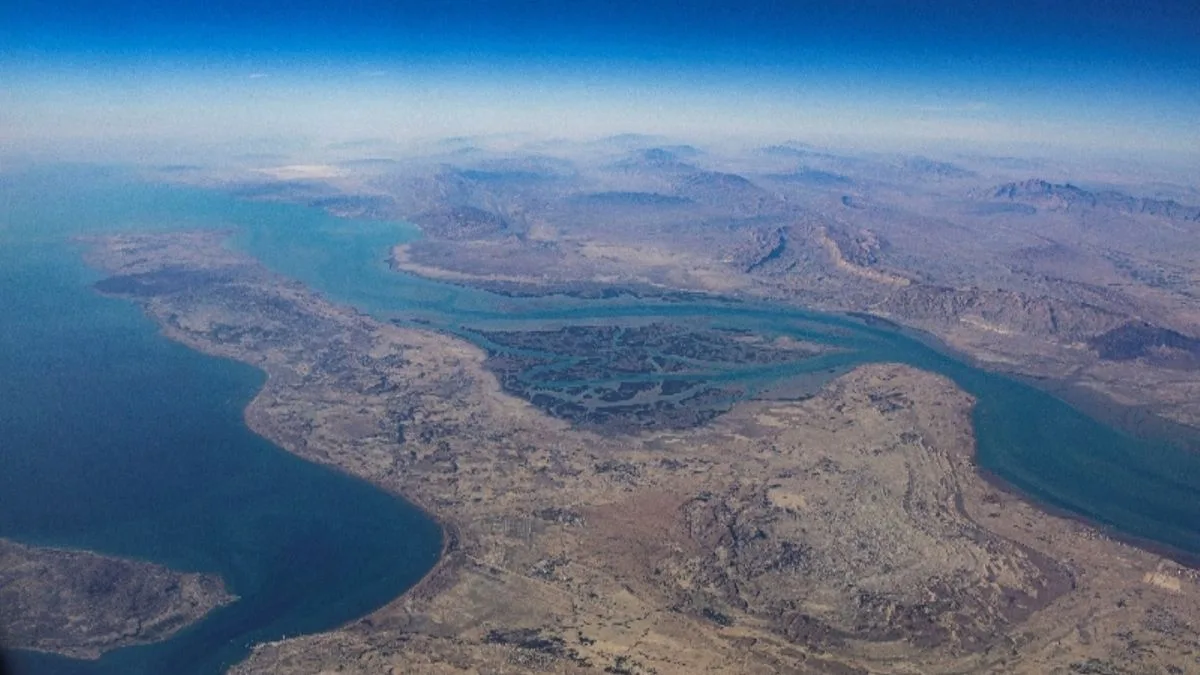
Iran is using the Strait of Hormuz, a very important waterway for oil and gas, to put pressure on other countries.
By disrupting traffic through the Strait, Iran can make energy more expensive and cause economic problems for countries far away.
However, this strategy has risks.
Other countries might find ways to reduce their dependence on the Strait, making it less powerful for Iran.
Iran also has to deal with the economic and social problems caused by the disruption.
The situation is complex, and Iran must decide how to use this leverage without causing too much harm to itself.

Iran uses the Strait of Hormuz to impose economic costs on distant countries.
Disrupting traffic through the Strait raises freight and insurance costs and unsettles energy markets.
Iran faces a choice between negotiation, escalation, or prolonged disruption.
Persistent disruption could lead to economic adaptation by other countries, reducing the Strait's strategic value.
Iran must balance military pressure with domestic economic and social burdens.
- Who
- Iran and global powers, including the United States.
- What
- Iran's attempt to use the Strait of Hormuz as a strategic leverage point.
- When
- Ongoing, with potential long-term consequences.
- Where
- Strait of Hormuz, a critical waterway for global energy trade.
- Why
- To impose economic costs on distant countries and gain bargaining leverage.
Iran's Strategic Leverage
Global Economic Adaptation
Economic Impact
Iran's Strategic Leverage
Iran can impose immediate economic costs on distant countries by disrupting traffic through the Strait of Hormuz.
Global Economic Adaptation
Persistent disruption incentivizes countries to reduce dependence on the Strait, diminishing its strategic value.
Military and Political Strategy
Iran's Strategic Leverage
Iran uses the Strait to compensate for its military disadvantage against the US and to increase bargaining pressure.
Global Economic Adaptation
Prolonged disruption risks widening the coalition against Iran and could lead to economic adaptation by other countries.
Domestic and International Pressures
Iran's Strategic Leverage
Iran must balance military pressure with the need to avoid domestic exhaustion and economic burdens.
Global Economic Adaptation
Global powers may seek to reduce dependence on the Strait, thereby reducing Iran's leverage over time.
- Strait of Hormuz
- A critical waterway for global oil and liquefied natural gas trade.
- Iran's Strategy
- Using the Strait to impose economic costs and gain bargaining leverage.
- Global Dependence
- Countries rely on the Strait for energy supplies, making it a strategic pressure point.
- Economic Adaptation
- Countries may invest in alternative routes and energy supplies to reduce dependence on the Strait.
- Domestic Impact
- War damage, inflation, and unemployment impose cumulative burdens on Iran's population.