

Archive · 2 Dec 2025
Study Shows Potatoes Can't Fully Replace Grains
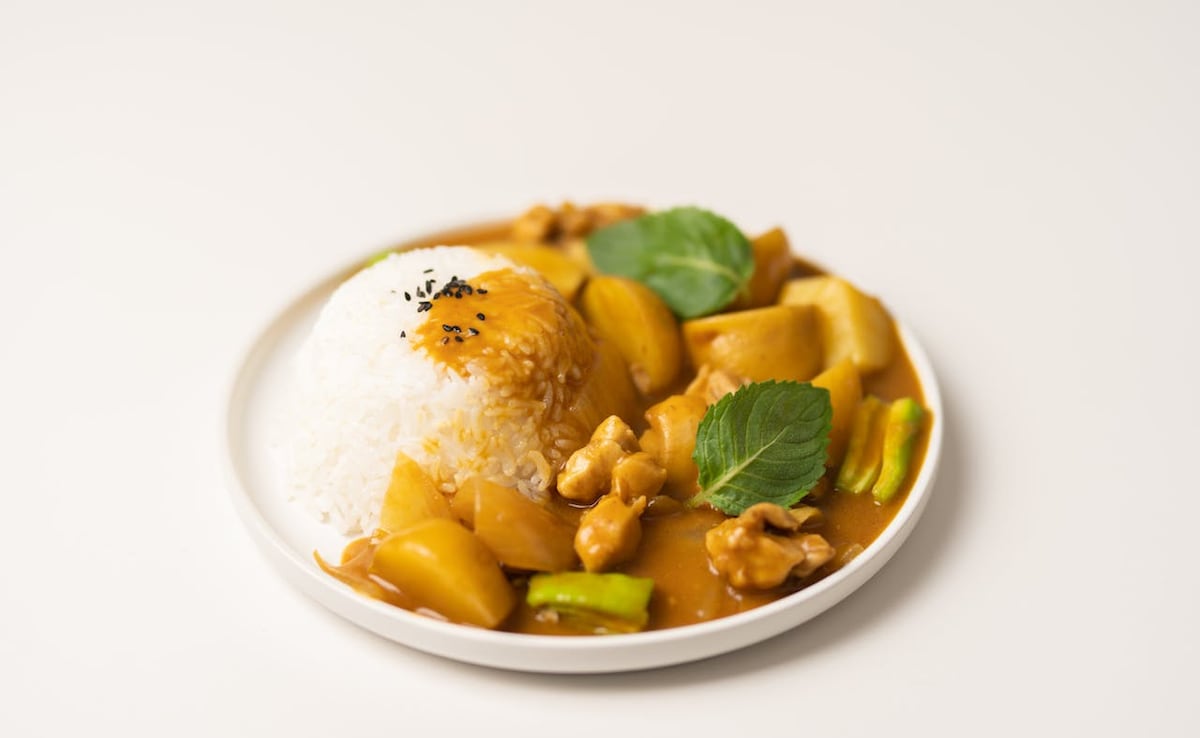
A new study shows that potatoes and grains have different nutrients.
Potatoes give us potassium and vitamin C, but grains have more iron, folate, and other important vitamins.
If you eat only potatoes and not enough grains, you might miss out on these important nutrients.
The best way to eat is to have both potatoes and grains, along with other vegetables and proteins, to get all the nutrients you need.
The study also says to cook potatoes in healthy ways like baking or boiling, not frying, to keep the nutrients and avoid extra fat.

Potatoes provide potassium, vitamin C, and some B-vitamins but lack iron, folate, and other nutrients found in grains.
Grains offer higher levels of iron, folate, calcium, zinc, selenium, riboflavin, and B-vitamins compared to potatoes.
Replacing grains with potatoes can lead to deficiencies in essential nutrients like iron, folate, and fiber.
Whole grains generally provide more dietary fiber than potatoes, aiding digestion and blood sugar control.
The study recommends including both grains and potatoes in your diet, along with other diverse food sources, for optimal nutrition.
- Who
- Researchers using US Dietary Guidelines modelling framework
- What
- Analysis of nutrient intake changes when replacing grains with potatoes
- When
- Published in 2025
- Where
- Journal Frontiers in Nutrition
- Why
- To understand the nutritional impact of substituting grains with potatoes
- Publication Year
- 2025
- Journal
- Frontiers in Nutrition
- Potassium in Potatoes
- 11% of daily requirements
- Vitamin B6 in Potatoes
- 10% of daily requirements
- Calories from Potatoes
- 5% of daily requirements
- Key Nutrients in Grains
- Iron, folate, calcium, zinc, selenium, riboflavin, B-vitamins
- Fiber in Whole Grains
- Higher than in potatoes
- Recommended Approach
- Mix grains and potatoes, diversify food sources