Archive · 1 Oct 2026
Karnataka Seeks Centre Action Over Hospital Drug Price Gaps
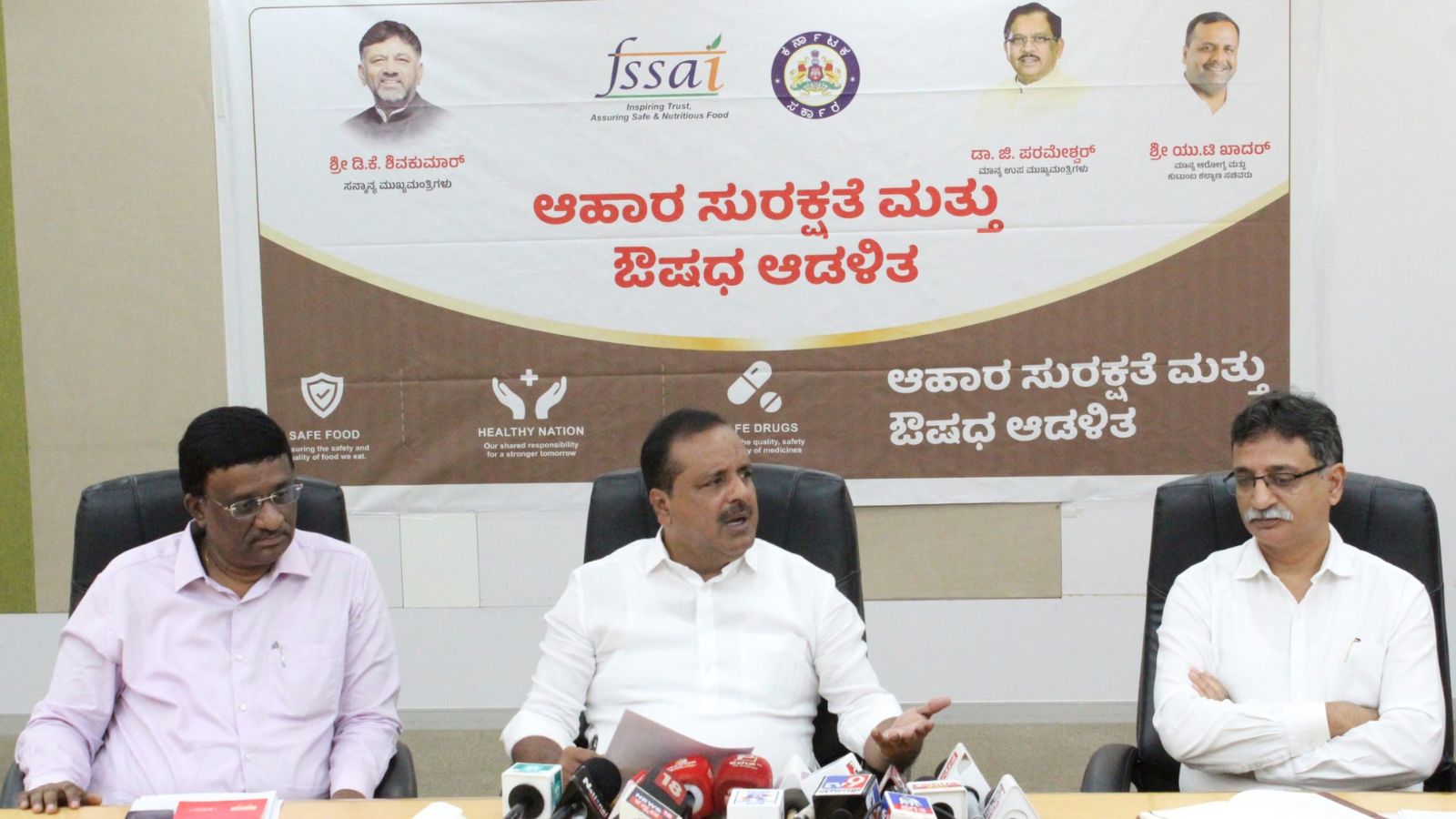
Karnataka officials checked prices of medicines and hospital supplies.
They found that some hospitals bought products cheaply but charged patients prices close to the printed MRP.
One antibiotic reportedly cost the hospital Rs 80 but was billed to a patient at Rs 4,528.
Some other medicines and supplies also had very large price differences.
The checks covered cancer-treatment hospitals, wholesale premises and other establishments.
Karnataka has asked the central government to investigate and change pricing rules.
It wants hospitals to show both the buying price and the MRP on patient bills.
More checks will look at other important medicines and medical supplies.

Karnataka found some hospital medicines and consumables marked up 10 to over 52 times their landing costs.
One patient was billed Rs 4,528 for Gufipol, whose reported landing cost was Rs 80.
The verification drive identified 253 drugs with extreme pricing anomalies and covered 189 high-cost drugs and 768 consumables.
The state asked hospitals to disclose landing costs and MRPs and sought wider price controls and regulated trade margins.
Further inspections will examine antiretroviral drugs, critical antibiotics, medical devices and costly hospital consumables.
- Who
- The Karnataka Government, the Karnataka Food Safety and Drug Administration, Health Minister U T Khader, the Union Ministry of Health and Family Welfare, and the National Pharmaceutical Pricing Authority are involved.
- What
- Officials reported large differences between hospital landing costs, printed MRPs and patient sale prices for high-cost drugs, medical devices and consumables.
- When
- A letter was dated September 23, 2026, and a special verification drive took place on September 25 and 26, 2026.
- Where
- Inspections occurred at hospitals, wholesale premises and other establishments in Bengaluru and districts across Karnataka.
- Why
- Karnataka is seeking action against potentially excessive patient billing and greater transparency and regulation in healthcare-product pricing.
Karnataka's proposed reforms
Current pricing framework
Billing transparency
Karnataka's proposed reforms
Karnataka wants hospitals to display both institutional landing costs and MRPs on patient bills.
Current pricing framework
The current framework does not specifically require hospital pharmacies to pass institutional discounts to patients or disclose them on bills.
Trade-margin controls
Karnataka's proposed reforms
The state seeks regulated margins for essential high-value medicines, medical devices and consumables, along with expanded price controls.
Current pricing framework
Non-scheduled medicines have no cap on trade margins, while medical devices and consumables have limited or no coverage under the Drug Price Control Order.
National oversight
Karnataka's proposed reforms
Karnataka has requested an inter-ministerial expert group, a national data study, and dedicated audit and enforcement mechanisms.
Current pricing framework
The existing system relies on National Pharmaceutical Pricing Authority ceiling prices for scheduled drugs and manufacturer-set MRPs for non-scheduled drugs.
- Largest reported markup
- Some products were billed at more than 52 times their reported procurement cost.
- Gufipol example
- A patient was billed Rs 4,528 for Gufipol, reported to have a landing cost of Rs 80.
- Anomalous drugs
- Karnataka provided details of 253 drugs with extreme pricing anomalies.
- Verification coverage
- The drive covered 189 high-cost drugs and more than 768 consumable items.
- Scheduled drugs
- The National Pharmaceutical Pricing Authority fixes ceiling prices under the Drug Price Control Order, with a 16 percent retailer margin.
- Non-scheduled drugs
- There is no cap on retailer margins; the manufacturer-printed MRP is the stated legal upper limit.
- State demands
- Karnataka seeks cost-to-MRP disclosure, expanded price controls, regulated margins, national study and audit mechanisms.