Archive · 20 Jan 2026
Mustard Crop Faces Hidden Threat from Orobanche
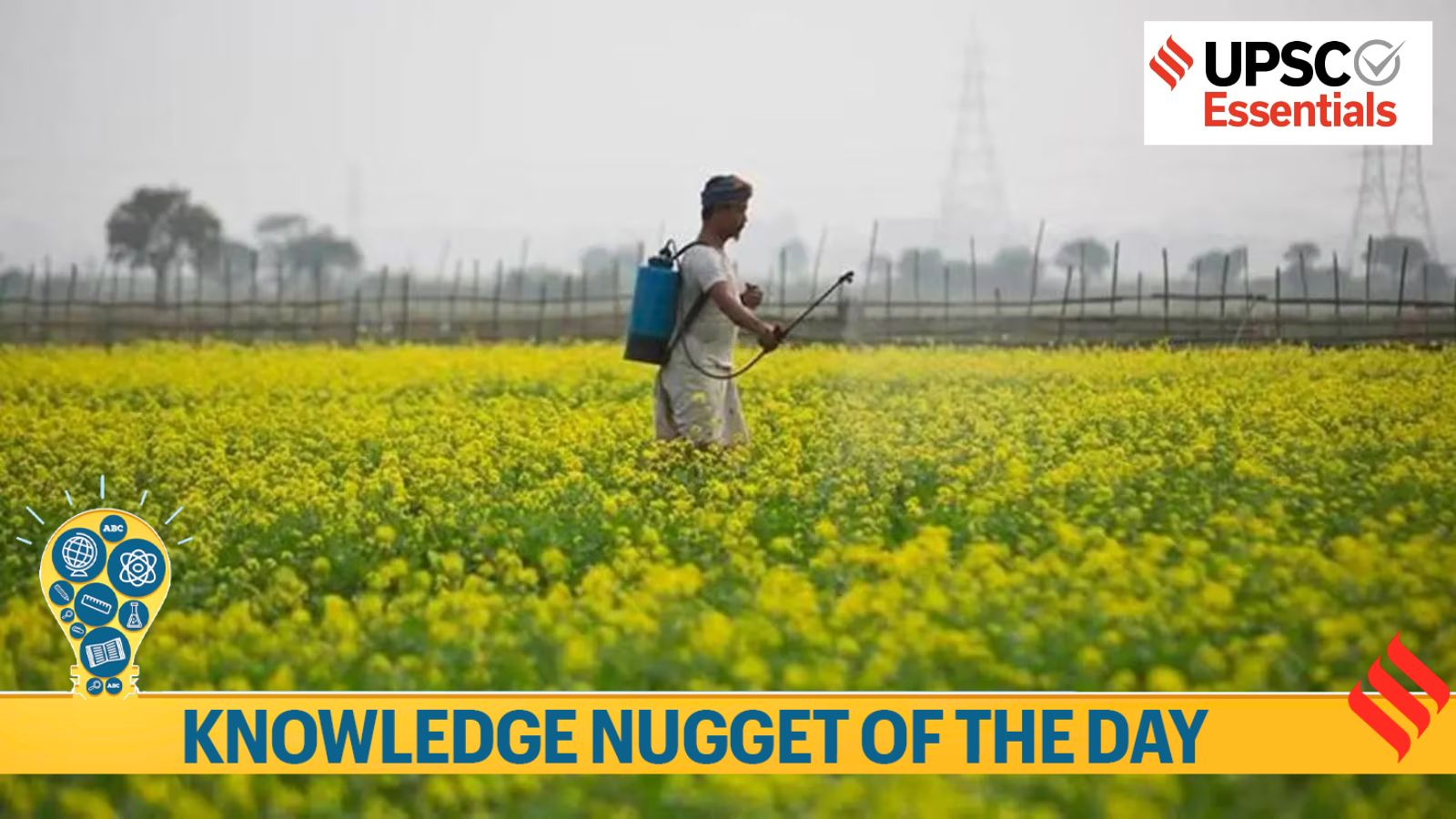
Mustard is a very important crop in India, providing a lot of the edible oil we use.
However, it is facing a big problem from a sneaky weed called Orobanche.
This weed attaches to the roots of mustard plants and steals their nutrients and water, making the plants weak and reducing the amount of seeds they produce.
Farmers are worried because this weed is hard to see and can stay in the soil for many years.
Scientists have developed a special type of mustard called DMH-11 that could help, but there are rules and discussions about whether to use it.

Mustard is India's largest indigenous edible oil source, with over 4 million tonnes produced annually.
Orobanche aegyptiaca is a parasitic weed that attaches to mustard roots, causing wilting and reduced yields.
The weed is a 'hidden threat' as it is underground and damages crops before it is visible.
Scientists have developed a GM mustard hybrid, DMH-11, which shows a 28% yield increase over traditional varieties.
The approval and use of GM crops in India involve strict regulations and multiple levels of checks.
- Who
- Indian farmers and policymakers
- What
- Mustard crop threatened by Orobanche aegyptiaca
- When
- Ongoing issue during mustard growing season
- Where
- Major mustard-growing states in India
- Why
- Orobanche parasitizes mustard roots, reducing yields
- Mustard Production
- 4 million tonnes annually
- Edible Oil Imports
- 16 million tonnes per year
- Orobanche aegyptiaca
- Parasitic weed affecting mustard
- Mustard Growing States
- Rajasthan, Uttar Pradesh, Madhya Pradesh, Haryana, West Bengal
- GM Mustard Hybrid
- DMH-11 developed by Delhi University