Archive · 8 Sep 2026
ISRO Chief Rejects Privatisation Concerns, Backs Industry Expansion
Some ISRO employees were worried that private companies might take over important parts of the space agency.
V Narayanan said ISRO is still owned and funded by the Indian government.
He said working with private companies and startups is meant to make India’s space industry larger, not to privatise ISRO.
Nine employee associations asked for an official explanation on September 4.
Narayanan said their concerns were genuine and that ISRO would address them.
He said about 450 industries already help with ISRO’s work.
India currently has 56 space assets and may need about 50 launches each year.
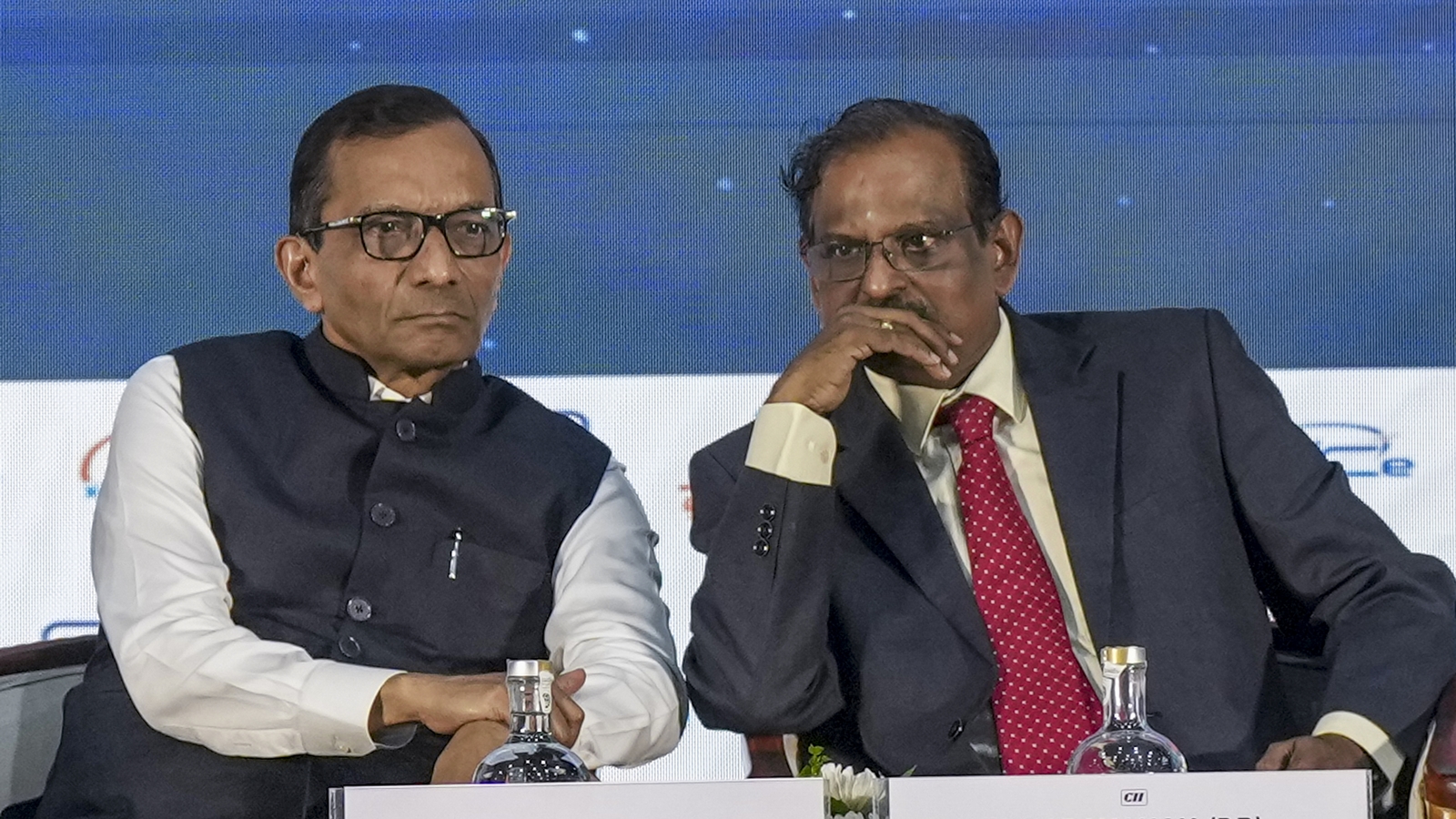
Pawan Goenka said ISRO and industry must work together to grow the space economy.

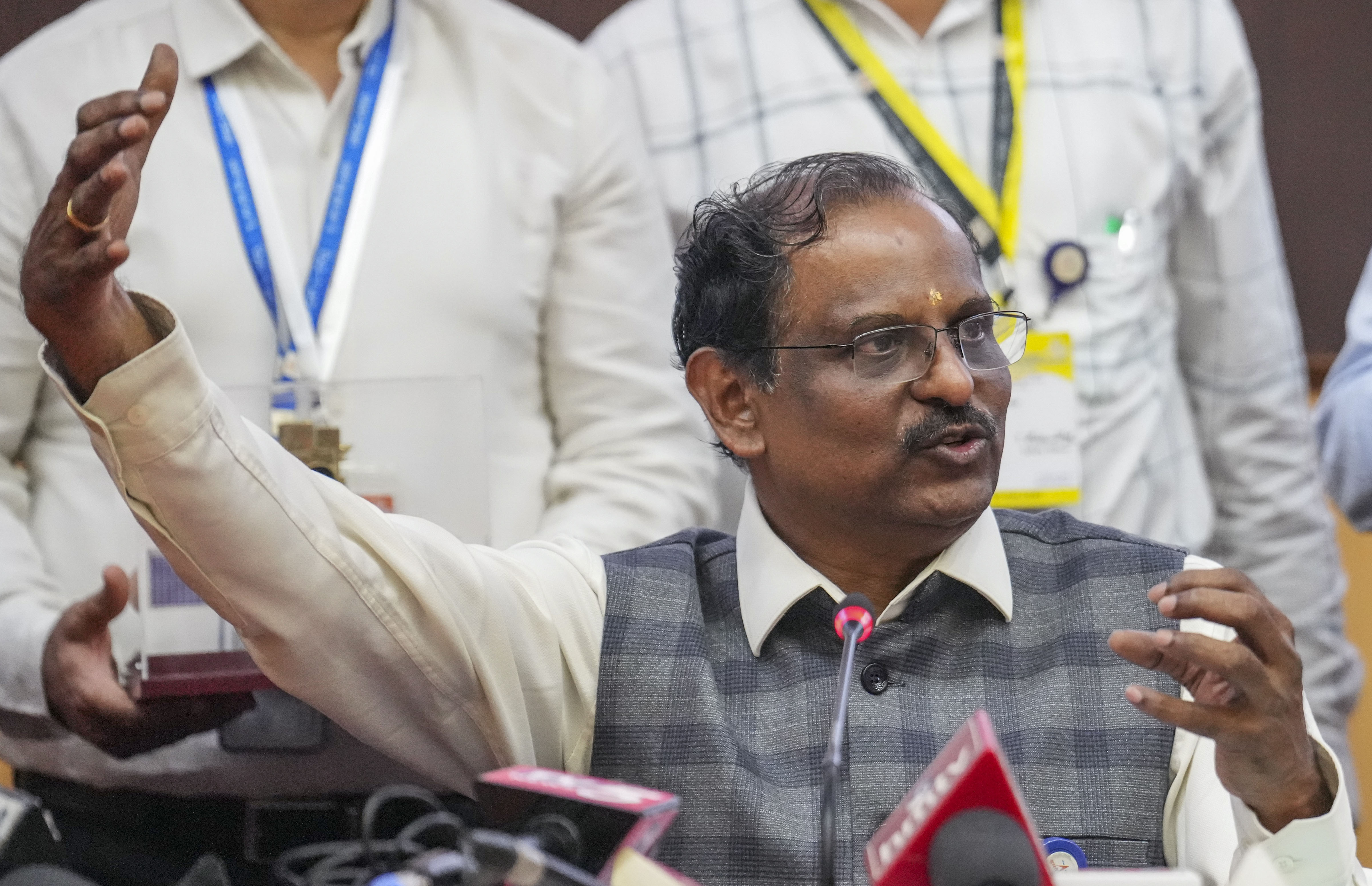
ISRO Chairman V Narayanan said the agency remains a government organisation and is not being privatised.
His comments followed a September 4 letter from nine employee associations seeking clarification on transferring some manufacturing and operational functions to private entities.
Narayanan said private-sector cooperation is intended to expand India’s space ecosystem, with about 450 industries already working with ISRO.
He said nearly 80% of the budget for each PSLV or GSLV launch is invested in Indian industries and that India may require about 50 launches annually.
IN-SPACe Chairman Pawan Goenka said technology transfers and projects are proceeding under space policy, without slowdowns, budget constraints or manpower shortages.
- Who
- ISRO Chairman V Narayanan, nine ISRO employee associations, private companies and startups, and IN-SPACe Chairman Pawan Goenka.
- What
- Narayanan said ISRO remains government-run while expanding cooperation with private entities and addressing employee concerns.
- When
- Narayanan spoke on September 7, after the employee associations sent their letter on September 4.
- Where
- He spoke after the inaugural ceremony of the ninth Bengaluru Space Expo in Bengaluru.
- Why
- The clarification followed concerns about transferring some manufacturing and operational functions to private entities as India expands its space activities.
Employee Associations
ISRO and Industry Officials
Private-sector expansion
Employee Associations
The associations sought clarity about transferring manufacturing and operational functions to private entities and the effect on ISRO’s workforce and future role.
ISRO and Industry Officials
Narayanan said private-sector participation follows reforms introduced six years ago and is intended to grow the space ecosystem, not privatise ISRO.
ISRO’s future responsibilities
Employee Associations
The associations questioned whether ISRO would retain its public role, whether public-sector companies would be excluded, and how publicly funded technologies would be transferred.
ISRO and Industry Officials
ISRO said its role would strengthen in frontier research, advanced technologies, human spaceflight, next-generation launch systems, planetary missions and strategic capabilities, while industry could scale mature systems.
Policy and implementation
Employee Associations
The employee associations said they had not received formal clarification on the policy’s legal basis, timeline, workforce safeguards or consultation process.
ISRO and Industry Officials
Pawan Goenka said IN-SPACe and NewSpace India Limited were acting consistently with Indian space policy, with no disruption, slowdown, budgetary constraint or manpower shortage affecting ISRO projects.
- ISRO status
- Narayanan said ISRO remains a government organisation and has not been privatised.
- Employee representation
- Nine employee associations sought official clarification on September 4.
- Current space assets
- India has 56 space assets in space, according to Narayanan.
- Launch requirement
- Narayanan said India may require around 50 launch vehicles per year.
- Industrial participation
- About 80% of the budget for each PSLV or GSLV launch is invested in Indian industries, with around 450 industries involved.
- ISRO workforce
- ISRO has about 20,000 employees, including more than 8,000 scientists.
- Space economy
- Goenka said India’s space economy is about USD 8 billion and is targeted to reach USD 44 billion by 2033.
- Employee resignations
- Narayanan said about 150 employees have resigned annually over the past five or six years.