

Archive · 24 Jan 2026
Climate Change Redefining Indian Wine Taste
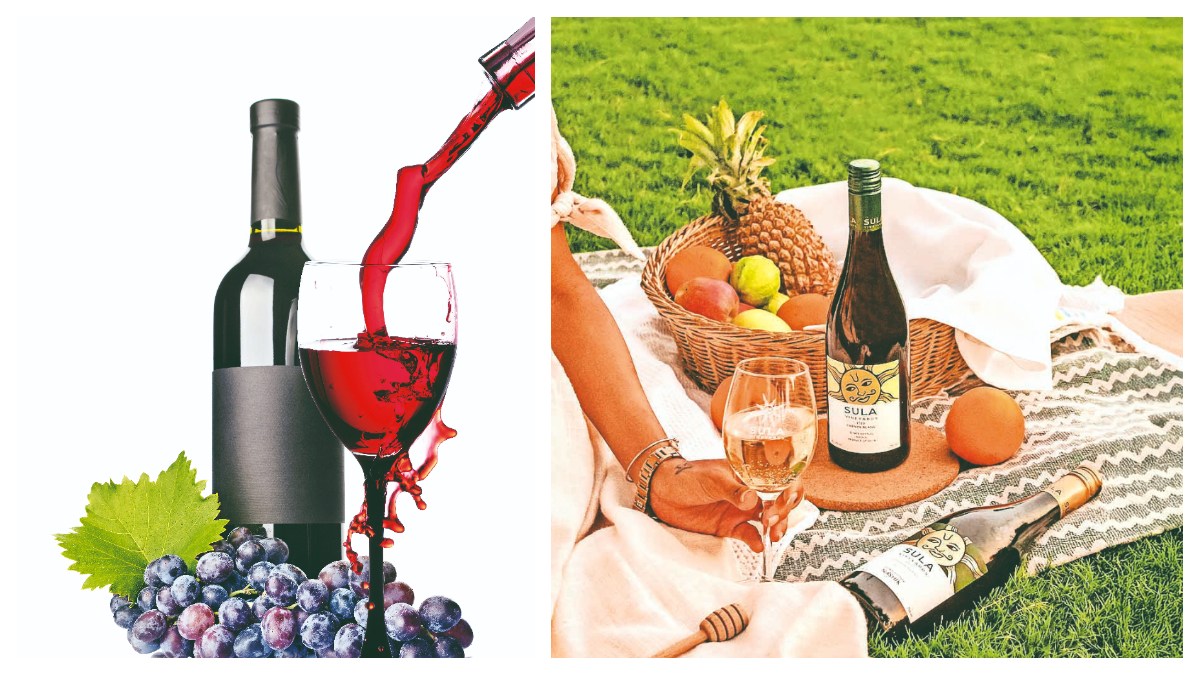
Wine is like a mirror that shows the environment it comes from.
In India, the weather is changing a lot, with hotter temperatures and unpredictable rain.
This is making it harder to grow grapes for wine.
The grapes are ripening faster, which changes the taste of the wine.
Indian wine makers are trying new ways to grow grapes, like choosing different types that can handle the heat and using technology to help.
They are also trying to be more eco-friendly.
The wine industry in India is growing, but the changing climate is making it more difficult.
In the future, wine makers might have to grow grapes in cooler, higher places to make good wine.

Climate change is altering wine production in India, affecting grape ripening and taste.
Indian wine consumption has grown significantly, with 38 million litres consumed in 2022.
Producers are adapting by selecting heat- and drought-tolerant grape varieties and using technology.
Sula Vineyards has scaled production to 17 million bottles in FY25 and is focusing on sustainability.
Potential new wine regions in India include Himachal Pradesh, Uttarakhand, and the Northeast due to changing climate conditions.
- Who
- Indian wine producers and consumers
- What
- Climate change is altering wine production and taste in India
- When
- Present and future, with noticeable changes over the past 30 years
- Where
- India, particularly wine-growing regions like Nashik, Bengaluru, Solapur, and Akluj
- Why
- Rising temperatures, erratic rainfall, and extreme weather events are disrupting traditional wine-growing conditions
- Global Wine Production (2025)
- 232 million hectolitres
- India's Wine Consumption (2022)
- 38 million litres
- Sula Vineyards' Production (FY25)
- 17 million bottles
- Harvest Shift in Germany (Past 30 Years)
- 24 days earlier
- Sula's Solar Energy Usage
- 60% of winery and hospitality operations
- Sula's Net-Zero Goal
- 2050
- Potential New Wine Regions in India
- Himachal Pradesh, Uttarakhand, Northeast
- Key Climate Adaptation Strategies
- Grape variety selection, viticultural practices, technology, sustainability