

Archive · 2 Sep 2026
India Draws Record $127 Billion Through Special FCNR Window
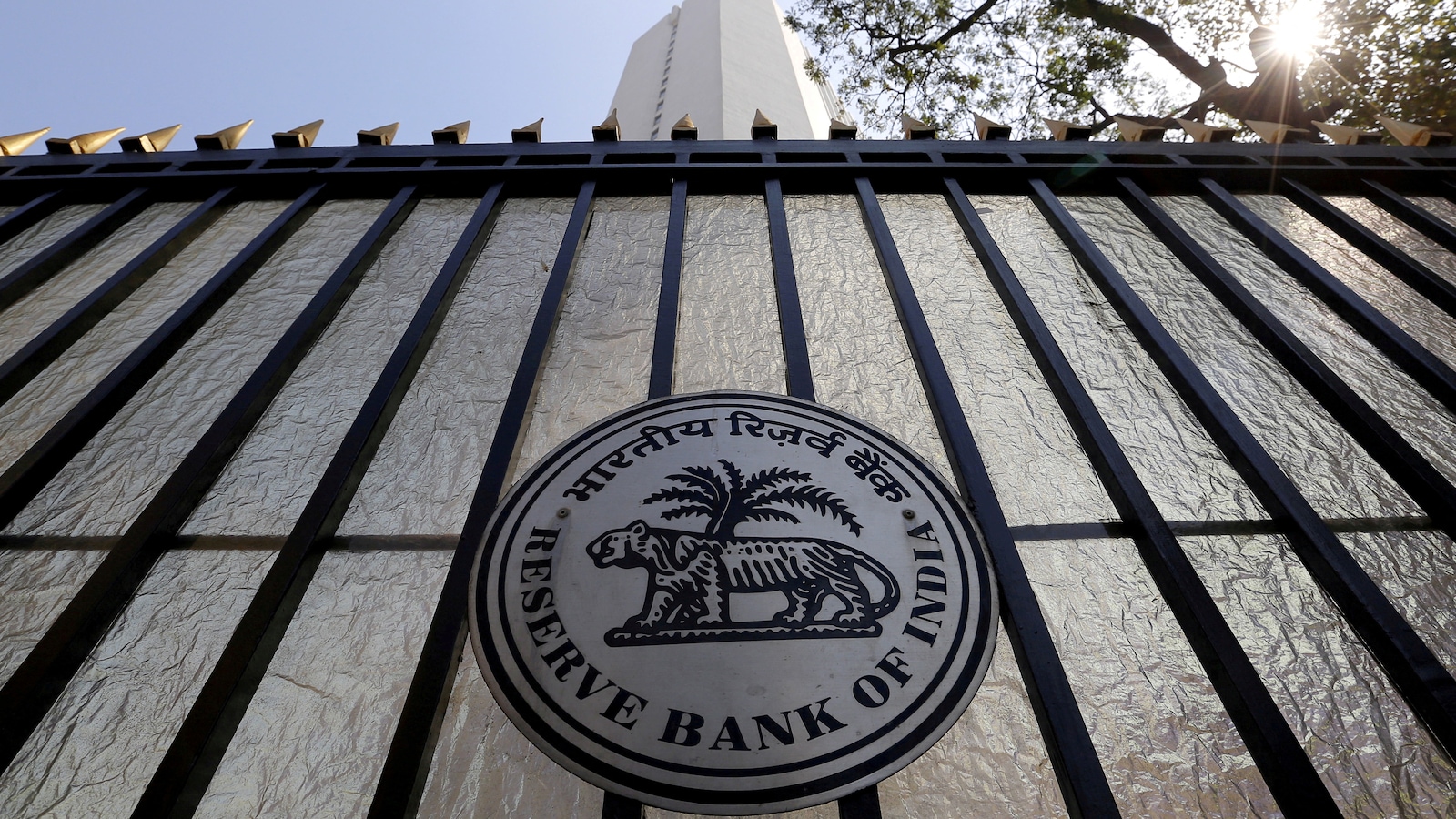
India created a special programme to attract dollars from people living abroad and from Indian companies.
Non-resident Indians placed about $127 billion in foreign-currency deposits with Indian banks.
Other borrowing channels brought the total inflow to about $136.4 billion.
The Reserve Bank of India closed the deposit window early because it reached its goal faster than expected.
The dollars gave India a larger pool of foreign currency for dealing with market stress.
They also helped foreign-exchange reserves reach a record level reported for the week ending August 21.
The other borrowing channels were still open after the deposit window closed.
Some economists said the money could help India record a large external surplus in the next financial year.
Other economists warned that much of the money will eventually have to be repaid in dollars and could reduce future RBI dividends.

FCNR(B) deposits attracted $127.226 billion from non-resident Indians by August 31, according to provisional RBI data.
Total inflows through the three channels reached $136.4 billion, including $5.26 billion in overseas foreign-currency borrowings and $3.891 billion in external commercial borrowings.
The RBI launched the programme on June 8 and closed the FCNR(B) window on August 31, one month before its planned end date.
The inflows helped raise India’s foreign-exchange reserves to a record $729.328 billion in the week ended August 21.
Economists said the funds could support a FY27 balance-of-payments surplus but warned of future dollar liabilities, surplus liquidity, and lower RBI dividends.
- Who
- Non-resident Indians, Indian banks, Indian companies, the Reserve Bank of India, and economists cited by HDFC Bank and Emkay Global.
- What
- A special foreign-currency mobilisation programme attracted $127.226 billion through FCNR(B) deposits and $136.4 billion across three related channels.
- When
- The programme was announced on June 5, launched on June 8, and the FCNR(B) window closed on August 31 instead of September 30. Swaps against eligible deposits could continue until September 11, while the two borrowing channels were reported as open until December 31.
- Where
- Through Indian commercial banks and the Reserve Bank of India’s dollar-rupee swap facility.
- Why
- To attract foreign currency, strengthen external buffers, support foreign-exchange liquidity, and provide foreign-currency funding to banks and companies.
Benefits and Support
Risks and Costs
Foreign-exchange resilience
Benefits and Support
The RBI and the Finance Ministry said the inflows strengthened India’s external buffers and provided more foreign currency to manage market volatility and external pressures.
Risks and Costs
The inflows created substantial surplus rupee liquidity, reported at ₹7.76 trillion by September 1 in an HDFC Bank economists’ note, potentially leaving banks with more funds than they need.
Balance-of-payments impact
Benefits and Support
HDFC Bank economists said the mobilisation could offset weak first-quarter capital flows and support a FY27 balance-of-payments surplus above $50 billion, with the current-account deficit near 1% of GDP.
Risks and Costs
Emkay Global economist Madhavi Arora said the funds represent future dollar-denominated debt liabilities rather than permanent capital.
Public finances
Benefits and Support
The programme attracted a record amount of foreign currency and offered overseas investors potentially attractive returns of up to 14%, supporting foreign-currency mobilisation.
Risks and Costs
Arora warned that lower RBI dividends could create an indirect fiscal cost exceeding ₹1 trillion cumulatively.
- FCNR(B) inflows
- $127.226 billion by August 31
- Total programme inflows
- $136.4 billion by August 31, according to provisional data
- Other channels
- $5.26 billion through overseas foreign-currency borrowings and $3.891 billion through external commercial borrowings
- Window dates
- Announced June 5, launched June 8, and the FCNR(B) facility closed August 31 rather than September 30
- Foreign-exchange reserves
- $729.328 billion in the week ended August 21, after a $12.422 billion increase
- Earlier comparison
- A similar 2013 RBI scheme mobilised about $26 billion over roughly three months
- Economic projections and risks
- HDFC Bank economists projected a FY27 balance-of-payments surplus above $50 billion, while Emkay Global warned of potential cumulative indirect fiscal costs above ₹1 trillion through lower RBI dividends

