

Archive · 25 Nov 2025
IV Drips for Hangovers Pose Risks
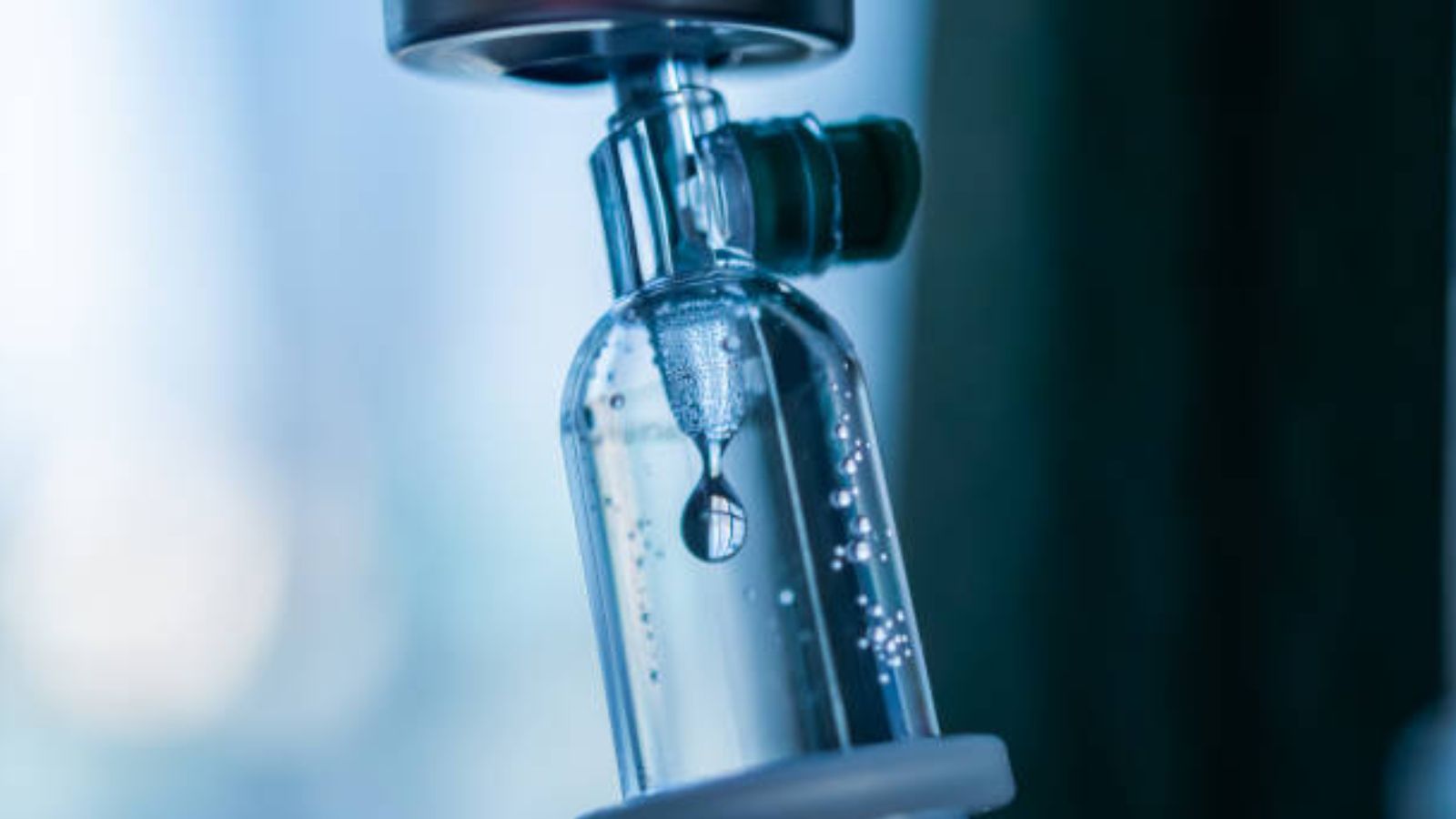
IV drips are sometimes used to help with hangovers, but they can be dangerous.
They put fluids and vitamins directly into your blood, which can hurt your liver and kidneys if not done right.
Doctors say these should only be used for real medical problems and by trained people.
Instead, drinking water, eating good foods, and using natural remedies like coconut water or ginger tea are safer ways to feel better after drinking too much alcohol.
These methods help your body recover without the risks of IV drips.

IV drips for hangovers can damage the liver and kidneys if not administered properly.
These drips bypass the digestive system, risking infections and electrolyte imbalances.
IV drips do not speed up alcohol metabolism or detoxification by the liver.
Safe alternatives include oral rehydration, electrolyte drinks, and natural remedies like coconut water and ginger tea.
Preventive measures such as pacing alcohol intake and drinking water between alcoholic beverages can reduce hangover severity.
- Who
- People using IV drips for hangovers, especially at weddings
- What
- IV drips for hangovers can damage the liver and kidneys
- When
- When administered improperly or without medical supervision
- Where
- At weddings and other events where IV drips are offered as hangover remedies
- Why
- Because IV drips bypass the digestive system and can introduce harmful substances directly into the bloodstream
- Primary Risk
- Liver and kidney damage
- Common Components
- Fluids, saline, vitamins, electrolytes, and sometimes medications
- Safe Alternatives
- Oral rehydration, electrolyte drinks, and natural remedies
- Expert Warning
- IV drips should be administered by trained professionals
- Effect on Liver
- Does not accelerate alcohol detoxification
- Effect on Kidneys
- Can disrupt electrolyte balance and overload kidney function
- Recommended Drinks
- Coconut water, lemon water, ginger tea, and herbal teas
- Preventive Measures
- Pacing alcohol intake, drinking water between alcoholic beverages, and avoiding dark or sugary drinks