

Archive · 22 Jan 2026
Ozempic's Impact on Obesity and Society
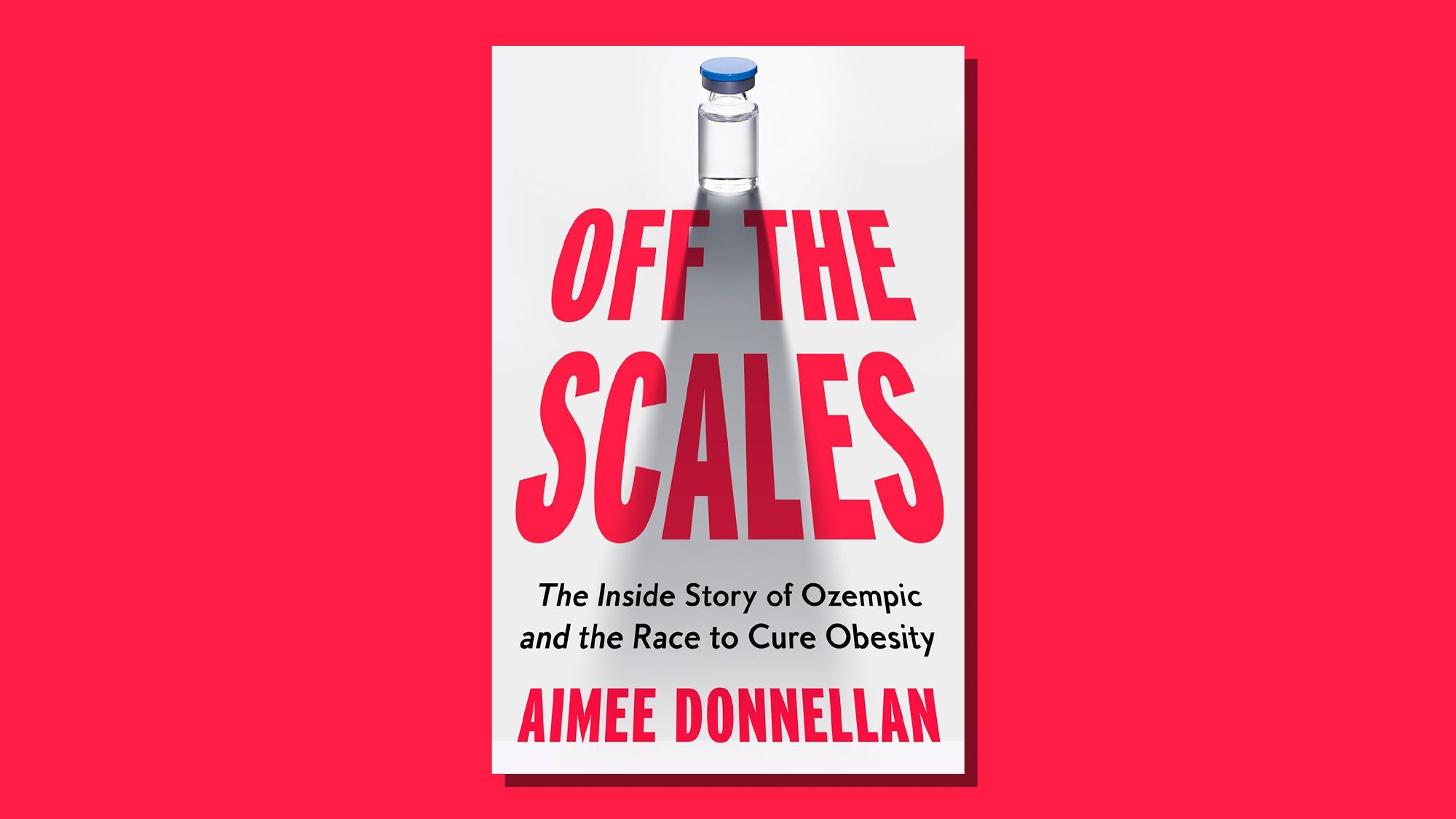
Ozempic is a medicine originally made for diabetes but is now famous for helping people lose weight.
It was created by a company called Novo Nordisk and has been around since 2017.
Scientists like Svetlana Mojsov helped discover how it works.
Ozempic mimics a hormone in our bodies that helps control hunger.
Recently, people noticed that fewer Americans are obese, and they think Ozempic might be the reason.
Some people take it for medical reasons, while others use it to look a certain way.
The medicine is changing how society thinks about weight and health.
Some people are happy with the results, while others wonder if it's just a quick fix and not addressing the real causes of obesity.

Ozempic, a diabetes medication, has significantly contributed to weight loss and reduced obesity rates in the US.
The drug's active ingredient, a GLP-1 agonist, mimics a hormone that controls hunger.
Ozempic's impact on obesity is expected to increase as it becomes available as a pill and goes off-patent.
The drug's success is attributed to the work of scientists like Svetlana Mojsov and the discovery of a useful peptide in Gila monster saliva.
Ozempic's societal impact includes both medical necessity and aesthetic desires, raising questions about body image and the root causes of obesity.
- Who
- The US Centers for Disease Control and Prevention, Novo Nordisk, Svetlana Mojsov, and various individuals using Ozempic.
- What
- The impact of Ozempic on obesity rates and societal perceptions.
- When
- Ozempic was released in 2017, and its effects are being observed in 2024.
- Where
- Primarily in the United States, with potential global impact.
- Why
- Ozempic's side effect of weight loss has led to its widespread use for obesity treatment and societal discussions about body image and medical necessity.
- Drug Name
- Ozempic
- Manufacturer
- Novo Nordisk
- Year Released
- 2017
- Primary Use
- Diabetes medication
- Key Side Effect
- Weight loss
- Type of Drug
- GLP-1 agonist
- Potential Future Impact
- Increased accessibility as pills and off-patent