

Archive · 10 Jan 2026
ChatGPT Health: Benefits, Risks, and Doctor Visit Guidelines

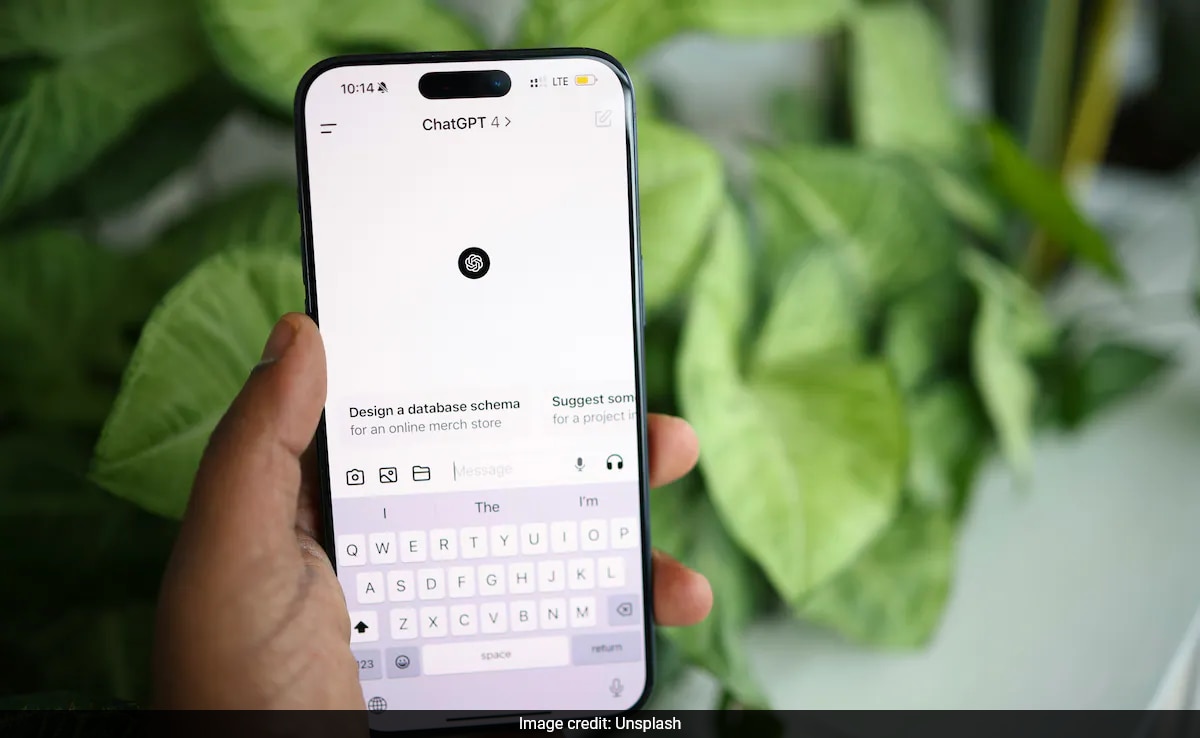
ChatGPT Health is a tool that helps answer general health questions and prepare for doctor visits, but it's not a doctor.
It can explain medical terms, symptoms, and conditions, and provide health-related advice.
However, it can't diagnose you or give you treatment plans.
If you have serious symptoms like chest pain or sudden shortness of breath, or if your symptoms are getting worse, you should see a doctor right away.
While AI can be helpful, it's important to use it wisely and not rely on it too much.
Always consult a healthcare professional for serious health concerns.
ChatGPT Health is a good starting point, but it's important to know when to stop using it and get professional help.

ChatGPT Health provides general health information but is not a replacement for professional medical care.
It can explain medical terms, symptoms, and conditions, and help prepare for doctor visits.
ChatGPT Health cannot provide personalized diagnoses or treatment plans.
Serious symptoms like chest pain, sudden shortness of breath, and severe abdominal pain require immediate medical attention.
Persistent, worsening, or recurring symptoms should be evaluated by a healthcare professional.
- Who
- General public using ChatGPT Health for health information and guidance
- What
- Guidelines for safe use of ChatGPT Health, its benefits, and risks, and when to see a doctor
- When
- When symptoms are serious, persistent, or unclear, and for general health and wellness inquiries
- Where
- Anywhere with access to ChatGPT Health and healthcare services
- Why
- To avoid misinformation, delays in care, and harmful outcomes, and to complement professional medical advice
Pro-AI
Pro-Professional Medical Care
Reliability of AI for Health
Pro-AI
AI can provide immediate assistance, efficiency, and personalized results, aiding in faster diagnosis and treatment planning.
Pro-Professional Medical Care
AI lacks clinical judgment, can offer misleading or dangerous advice, and should never replace a healthcare professional.
Self-Diagnosis and Treatment
Pro-AI
AI can help users feel informed and prepared for medical conversations, potentially reducing healthcare costs.
Pro-Professional Medical Care
Self-diagnosis and treatment based on AI advice can lead to delayed diagnoses, misinformation, and harmful outcomes.
- Tool Purpose
- General health and wellness questions, preparing for medical appointments, and finding health insurance
- Limitations
- No personalized diagnosis or treatment plans, not a replacement for professional medical care
- Red-Flag Symptoms
- Chest pain, sudden shortness of breath, weakness on one side, confusion, severe abdominal pain, uncontrolled bleeding
- Chronic Conditions
- Persistent, worsening, or recurring symptoms should be evaluated by a healthcare professional
- Medication Questions
- Consult a doctor or pharmacist
- Emergency Situations
- Seek urgent care or call emergency services
- Mental Health Crises
- Seek professional support immediately
- AI Benefits
- Efficiency, personalized results, predictive analytics, cost reduction, enhanced decision support
- AI Drawbacks
- Misinformation, overdependence, privacy issues, biased results, lack of empathy, errors in complex scenarios, diminished critical thinking
Sources
How To Use ChatGPT Health And When To Stop To See A Doctor: A Safe And Smart Guide

OpenAI says AI products for healthcare sector to be complaint with US' HIPAA requirements. Here's why this is important
Can ChatGPT Health Really Help You? "AI Lacks Clinical Judgment," Doctors Warn
