

Archive · 28 Jun 2025
India's Soil Health Crisis: Degradation and Regeneration
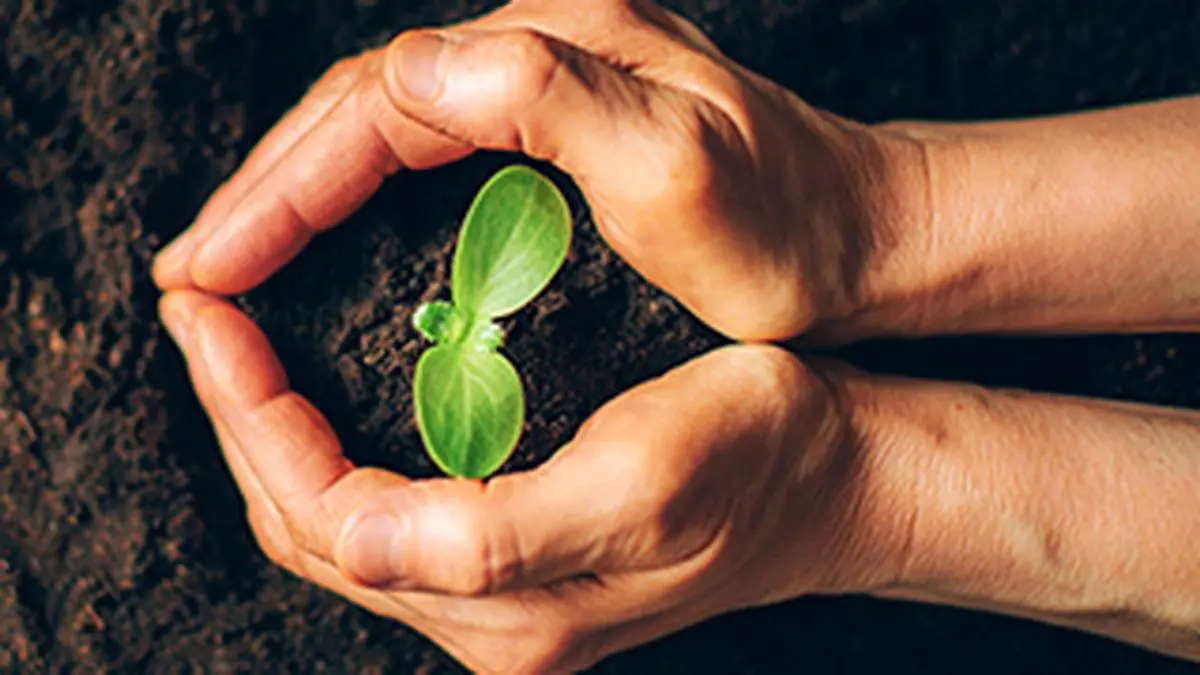
Imagine the soil in India is like a person who is sick.
It used to be strong and healthy, but now it's losing its ability to do its job.
This is because of how we have been farming, using too many chemicals.
The soil's health is dropping.
If we don't fix it, it could affect how much food we can grow and make farmers' lives harder.
The solution is to start farming in a more natural way, using methods that help the soil recover and become strong again.
This includes using things like natural fertilizers and rotating crops to help the soil get the nutrients it needs.

Nearly 32% of India's land is degraded, with 25% facing desertification, according to a 2024 FAO report.
Soil Organic Carbon (SOC) in large areas of India has dropped from 2-3% to 0.4-0.7% in the last seven decades.
Around 30% of India's land, approximately 115-120 million hectares, is classified as degraded.
Intensive farming, using chemical inputs and deep tillage, has harmed long-term soil health.
Natural farming, utilizing methods like organic manure and crop rotation, is suggested as a path to soil regeneration.
- Who
- India's soil and farming practices are the focus of the article.
- What
- Soil in India is losing its strength and vitality due to degradation.
- When
- The issue has developed over the last seven decades.
- Where
- India
- Why
- Decades of intensive farming have damaged soil health, leading to declining yields and food security concerns.
Conventional Farming Practices
Natural Farming Practices
Farming Methods
Conventional Farming Practices
Emphasizes the use of chemical inputs and intensive tillage.
Natural Farming Practices
Advocates for natural farming methods.
- Degraded Land
- 32% of India's total land
- Desertification
- 25% of India's land
- Soil Organic Carbon (SOC) Decline
- From 2-3% to 0.4-0.7% in large areas
- Degraded Land Area
- Approximately 115-120 million hectares
- Year of Report
- 2024