1 hr ago
Jantar Mantar Protests Shape Debate Ahead of DUSU Polls

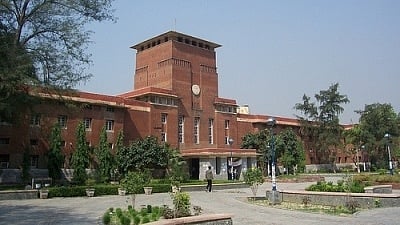
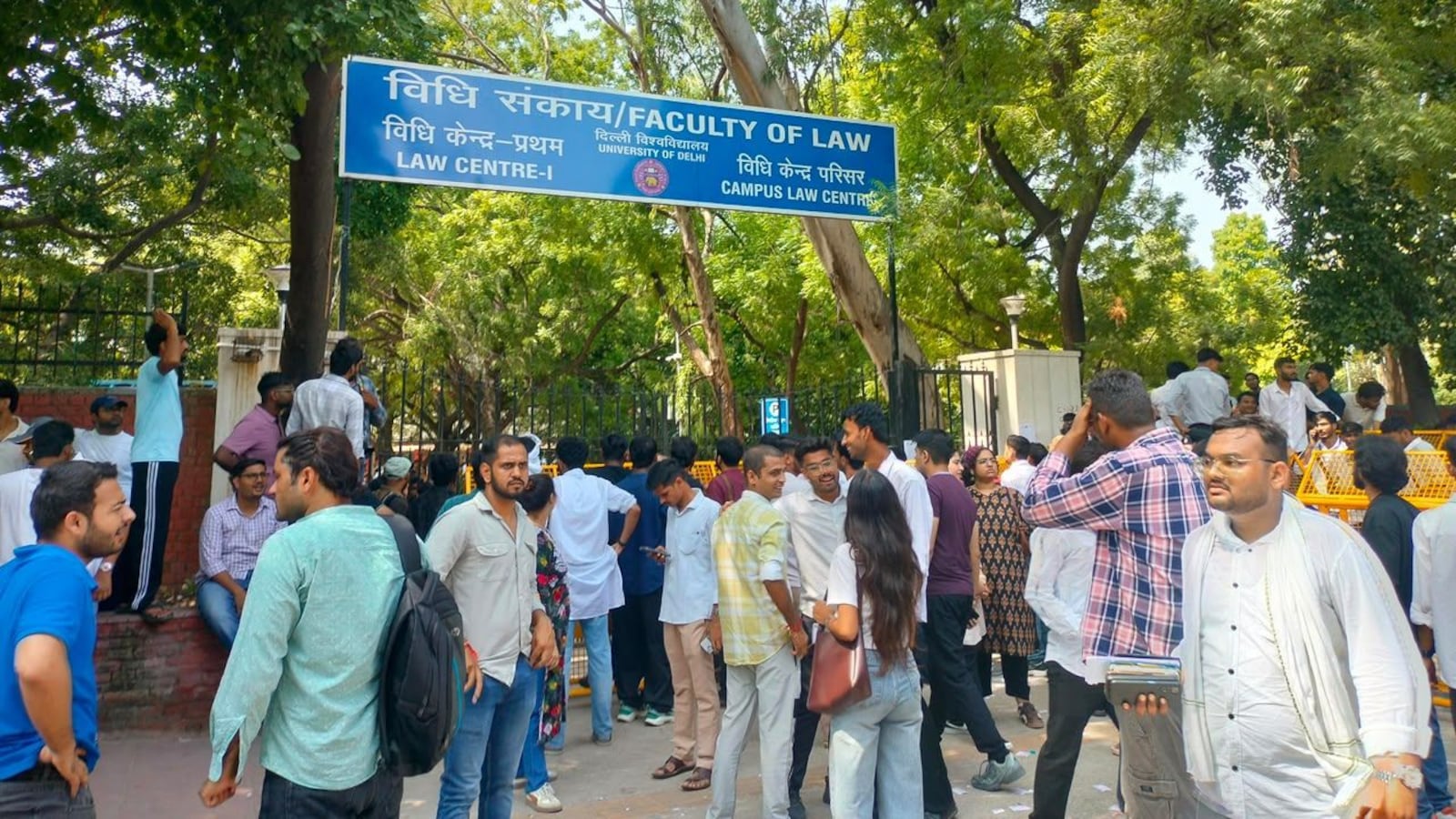
Students at Delhi University recently voted in their student-union election.
Some students said protests at Jantar Mantar changed how they thought about voting.
The protests involved concerns about education and alleged examination problems.
They made some students ask whether organisations truly represented student concerns.
Students discussed candidates’ work and beliefs, not just the size of their campaigns.
They also talked about practical issues such as fees, hostels and college facilities.
However, not everyone changed their voting choices because of the protests.
More than 1.5 lakh students were eligible to vote.

Students at Delhi University said the Jantar Mantar protests prompted them to reassess political loyalties and student organisations.
Voters increasingly discussed accountability, representation and what candidates or organisations actually stood for.
The protests raised concerns about education-system problems and alleged examination-related lapses.
Students continued to focus on campus issues including hostels, fees, placements, menstrual leave, water and facilities.
Some voters said their choices remained based mainly on college-level work or loyalty to established organisations.
- Who
- Delhi University students, candidates and student organisations involved in the DUSU election.
- What
- The Jantar Mantar protests influenced some students’ discussions and evaluation of voting choices.
- Where
- Delhi University campuses, particularly North Campus, with the earlier demonstrations at Jantar Mantar in New Delhi.
- When
- The protests took place in June and July; the DUSU election was held on Friday, September 18.
- Why
- The protests raised concerns about the education system, alleged examination-related lapses, accountability and student representation.
Protests Influenced Voting Debate
Campus Work and Existing Loyalties Still Mattered
What shaped students’ choices
Protests Influenced Voting Debate
Some students said the protests increased political awareness and made them examine accountability, representation and what organisations stood for.
Campus Work and Existing Loyalties Still Mattered
Other students said their votes were primarily determined by work done inside their colleges or by continued identification with established student organisations.
Role of established organisations
Protests Influenced Voting Debate
Some voters wanted a stronger independent voice and did not want to vote simply because an organisation had long been influential on campus.
Campus Work and Existing Loyalties Still Mattered
Some students continued to view established organisations as important, and the protests did not produce a direct transfer of support to one organisation.
Key facts
- Election
- Delhi University Students’ Union election
- Eligible voters
- More than 1.5 lakh students
- Protest location
- Jantar Mantar, New Delhi
- Protest timing
- June-July
- Main concerns
- Education-system issues and alleged examination-related lapses
- Campus issues discussed
- Hostels, fees, placements, menstrual leave, drinking water and college facilities
- Reported effect
- Some students reassessed organisations and candidates rather than directly shifting support to one group
Quotes
Third-year Hindu College student
An unnamed third-year student at Hindu College
“We want to create a strong grounding of our own. The protests made students realise that they can raise issues collectively and question those in authority. That political awareness has carried into the election as well, with students wanting to know what a candidate or organisation actually stands for.”
 theprint.in
“Students have been increasingly antagonised over the last few years. We saw that particularly this year during the Jantar Mantar protests. It made many students question the positions taken by different student organisations and whether they actually represented the issues that students were raising.”
theprint.in
Sources
Related news
DUSU Polls Report Nearly 40% Turnout, ABVP, NSUI Contest
Delhi University Polls Bring Tight Security After Student Housing Tragedy
Delhi University DUSU Campaign Ends Amid Digital and Ground Rivalries
Gen Z Reshapes Delhi University Student Election Campaign
DUSU Elections 2026 Focus on Safety and Student Issues
Gujarat Student Leaders Seek Campus Elections and Academic Reforms
ABVP Wins Key Posts Across Several Delhi University Colleges