

Archive · 23 Sep 2026
Supreme Court Judges Split Over Election Commission Appointment Law
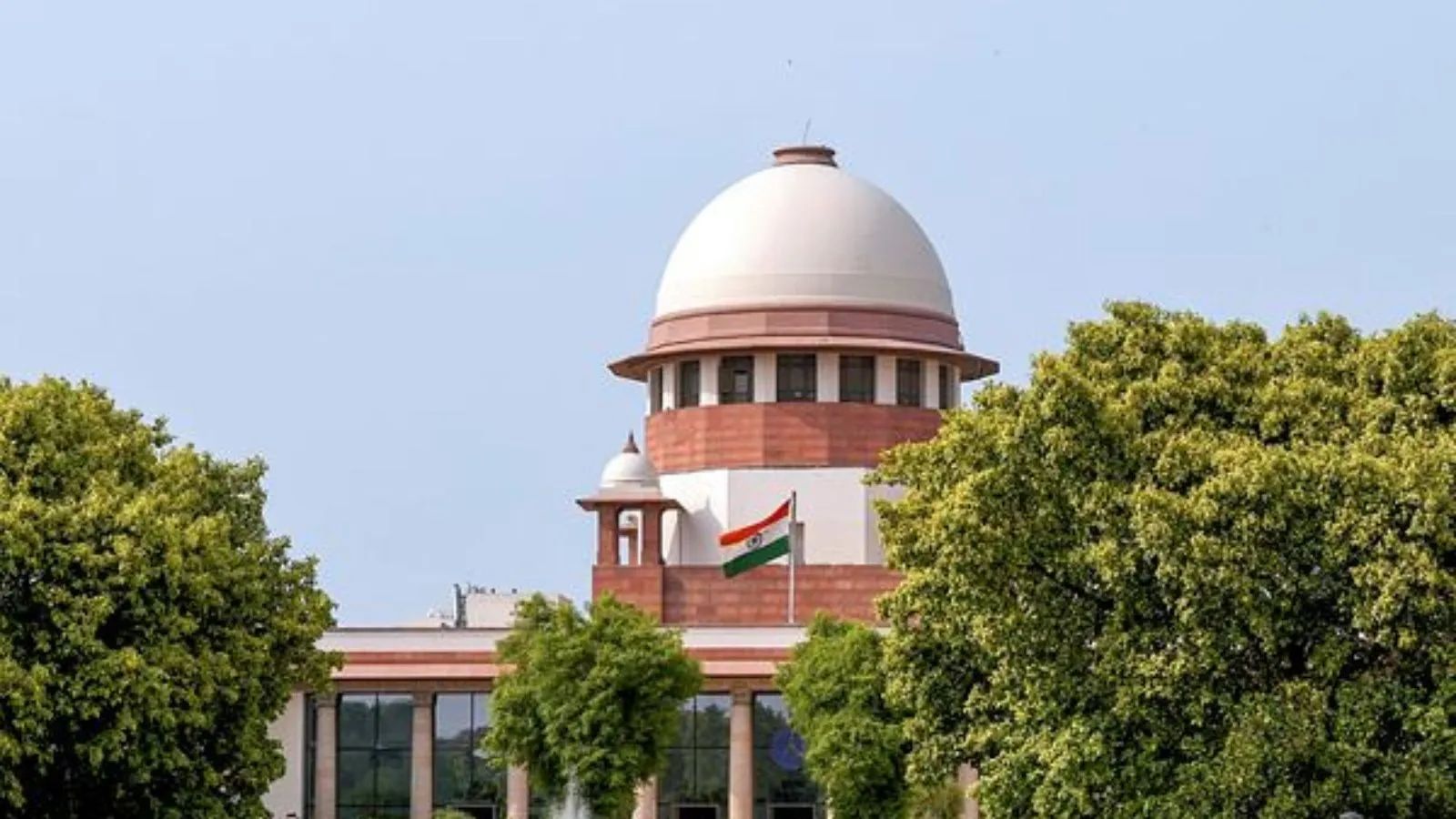
India’s Supreme Court is examining a law about choosing the country’s top election officials.
The law uses a committee made up of the Prime Minister, a minister chosen by the Prime Minister, and the Leader of the Opposition.
It does not include the Chief Justice of India.
Justice Dipankar Datta said the Election Commission must be independent and must also look independent to people.
He questioned whether a minister chosen by the Prime Minister could fairly disagree with the Prime Minister.
He said the Leader of the Opposition’s role could become mostly symbolic.
Justice Satish Chandra Sharma disagreed about the next step and wanted a larger group of judges to hear the case.
The judges therefore gave different opinions, leaving the decision about a larger bench to the Chief Justice of India.

Justice Dipankar Datta said the Election Commission must be independent and appear to act independently.
Justice Datta questioned whether a minister nominated by the Prime Minister could provide an independent counterweight on the selection panel.
Justice Satish Chandra Sharma favored referring challenges to the 2023 law to a Constitution Bench of at least five judges.
The 2023 law replaces the Chief Justice of India with a Union Cabinet minister on the committee selecting election commissioners.
Because of the split decision, the Chief Justice of India will decide whether to constitute a larger bench.
- Who
- Justices Dipankar Datta and Satish Chandra Sharma, hearing petitions challenging the 2023 election-appointments law.
- What
- The judges issued split opinions on whether the petitions should be referred to a five-judge Constitution Bench.
- When
- Wednesday, September 23, according to the reports.
- Where
- The Supreme Court of India in New Delhi.
- Why
- The petitions argue that excluding the Chief Justice of India gives the executive excessive influence and may undermine the Election Commission’s independence and neutrality.
Justice Datta’s View
Justice Sharma and Centre’s View
Whether a larger bench is needed
Justice Datta’s View
Justice Datta rejected the referral, saying the petitions raised no fresh substantial constitutional question and involved applying already settled principles.
Justice Sharma and Centre’s View
Justice Sharma said the matter should go to a Constitution Bench because no authoritative decision had ruled on the Act’s constitutional validity. The Centre also supported referral, saying substantial constitutional questions were involved.
Independence of the selection panel
Justice Datta’s View
Justice Datta said the Prime Minister’s nominated minister could not realistically oppose the Prime Minister, making the minister a weak independent counterweight and potentially reducing the Leader of the Opposition’s role to an ornamental one.
Justice Sharma and Centre’s View
The Centre argued that the constitutional trust placed in the Prime Minister means decisions made by the Prime Minister should not be presumed doubtful merely because the government has a numerical majority on the panel.
Effect of the 2023 Act
Justice Datta’s View
Justice Datta said the petitioners’ argument that the Act gives overwhelming selection power to the executive and undermines the appearance of independence appeared to have prima facie substance.
Justice Sharma and Centre’s View
Justice Sharma said whether the Act actually fails the requirements of free and fair elections should be independently examined by the larger Constitution Bench.
- Contested legislation
- The Chief Election Commissioner and Other Election Commissioners (Appointment, Conditions of Service and Term of Office) Act, 2023.
- Selection committee under the law
- The Prime Minister, a Union Cabinet minister nominated by the Prime Minister, and the Leader of the Opposition.
- Excluded member
- The Chief Justice of India, who had been included in the Supreme Court’s interim appointment framework.
- Justice Datta’s position
- The Election Commission must be independent and must also appear to be independent.
- Justice Sharma’s position
- The petitions should be heard by a Constitution Bench of at least five judges because no authoritative ruling had yet assessed the law’s constitutional validity.
- Earlier Supreme Court ruling
- In Anoop Baranwal v. Union of India, the court directed an appointment panel involving the Prime Minister, Leader of the Opposition and Chief Justice of India until Parliament enacted a law.
- Next procedural step
- The split decision was placed before the Chief Justice of India to decide whether to form a larger bench.
