

Archive · 15 Aug 2025
Chefs Ditching Non-Stick Pans for Healthier Cast Iron Cookware
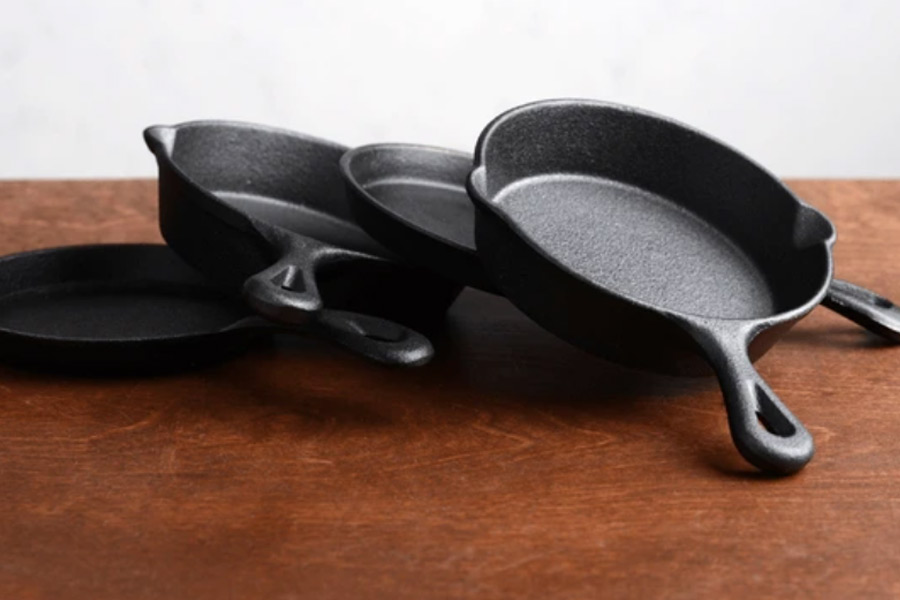
Chefs are switching from non-stick pans to cast iron because of health concerns.
Non-stick pans can release harmful chemicals if damaged.
Cast iron is a safer choice because it doesn't have a chemical coating.
Cooking in cast iron can also add a bit of iron to your food, which is good for you.
Cast iron also cooks food evenly and can last a long time if you take care of it.
To keep it in good shape, you need to dry it well, not use too much soap, and season it with oil.

Chefs are returning to cast iron cookware due to health concerns and cooking benefits.
Non-stick pans may release toxins linked to health risks when scratched or overheated.
Cast iron cookware can enrich food with a small amount of iron, adding nutritional value.
Cast iron pans provide even heat distribution and can achieve a natural non-stick surface when seasoned.
Proper care of cast iron includes avoiding moisture, minimal soap use, and regular oiling to maintain seasoning.
- Who
- Chefs, restaurants, and clinical nutritionists are involved in this shift.
- What
- Chefs are increasingly using cast iron cookware instead of non-stick.
- When
- No specific timeframe is provided, but the shift is recent.
- Where
- Primarily in professional kitchens across multiple locations.
- Why
- Due to health concerns about non-stick pans and the cooking benefits of cast iron.
Traditional Non-Stick Cookware
Traditional Cast Iron Cookware
Convenience vs. Health
Traditional Non-Stick Cookware
Easier to clean and use.
Traditional Cast Iron Cookware
Can be dangerous for health.
- Cookware Type Shift
- From non-stick to cast iron
- Health Concern
- Release of toxins from damaged non-stick pans
- Benefits of Cast Iron
- Even heat distribution, natural non-stick surface, added iron to food
- Expert Opinion
- Dr. Mita Shukla, clinical nutritionist
- Key Consideration
- Proper maintenance needed for cast iron longevity
- Maintained by
- MasterChef Nayanjyoti Saikia