

Archive · 27 Jul 2025
Strengthening Media Literacy to Combat Disinformation Campaigns
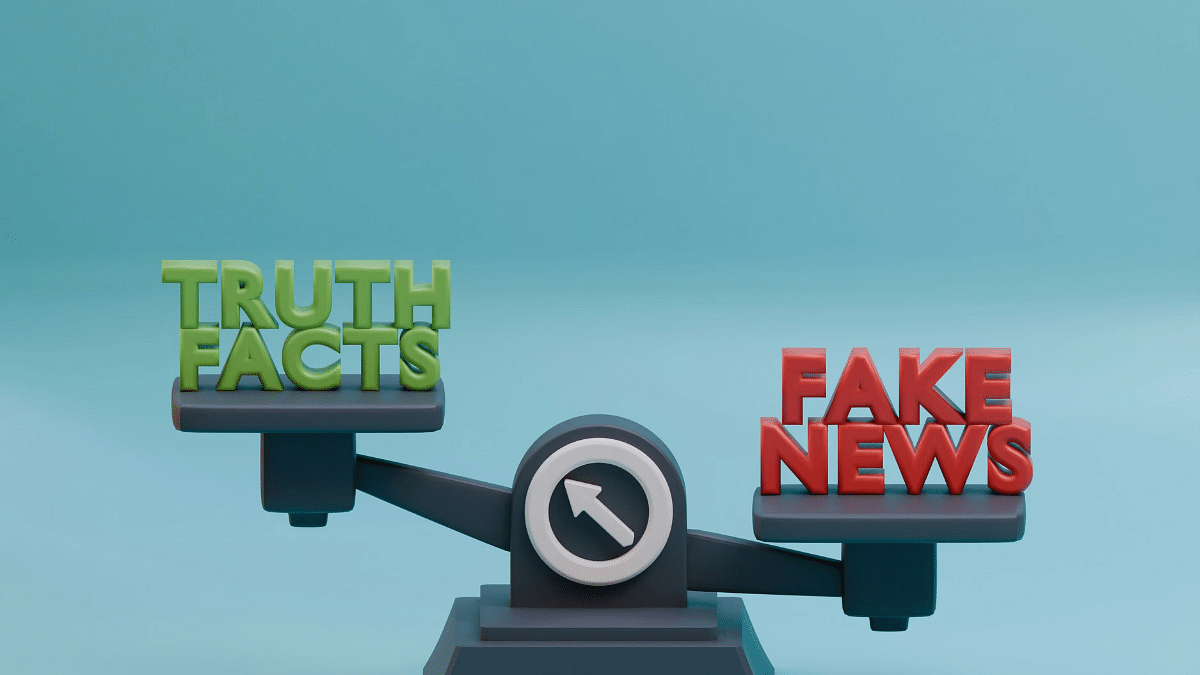
Imagine the internet is like a giant playground, but sometimes people try to trick you with fake information.
This article talks about how important it is to learn about spotting these tricks, called 'disinformation.'
Media literacy is about learning how to find, understand, and make good use of information.
It's like learning to be a super-smart detective online.
This includes learning how to deal with fake videos and posts designed to trick you.
We need everyone, from schools to big companies, to help us learn these important skills so we can all make good choices about what we read and believe online.

Disinformation campaigns are becoming stronger and more sophisticated.
Media and information literacy equips individuals with tools to navigate the digital world.
Media literacy is now considered a global priority for safeguarding democracy.
A whole-of-society approach is needed, integrating media literacy across different sectors.
The scope of media and information literacy has expanded to include various digital literacies.
- Who
- Individuals, society, and organizations.
- What
- The increasing importance of media and information literacy.
- When
- The need for media literacy is greater than ever.
- Where
- Global.
- Why
- To combat disinformation and protect democratic discourse.
Advocates
Opponents
Disinformation vs. Media Literacy
Advocates
Emphasize education systems and workplace training.
Opponents
Undermine democratic processes through spreading of misinformation.
- Main Issue
- Disinformation campaigns
- Key Skill
- Media and Information Literacy
- Global Priority
- Safeguarding democratic discourse
- Approach
- Whole-of-society
- Focus
- Digital, human rights, news, advertising, computer, privacy, and AI literacy