

Archive · 6 Sep 2025
Scientists Uncover How Protein Language Models Make Predictions
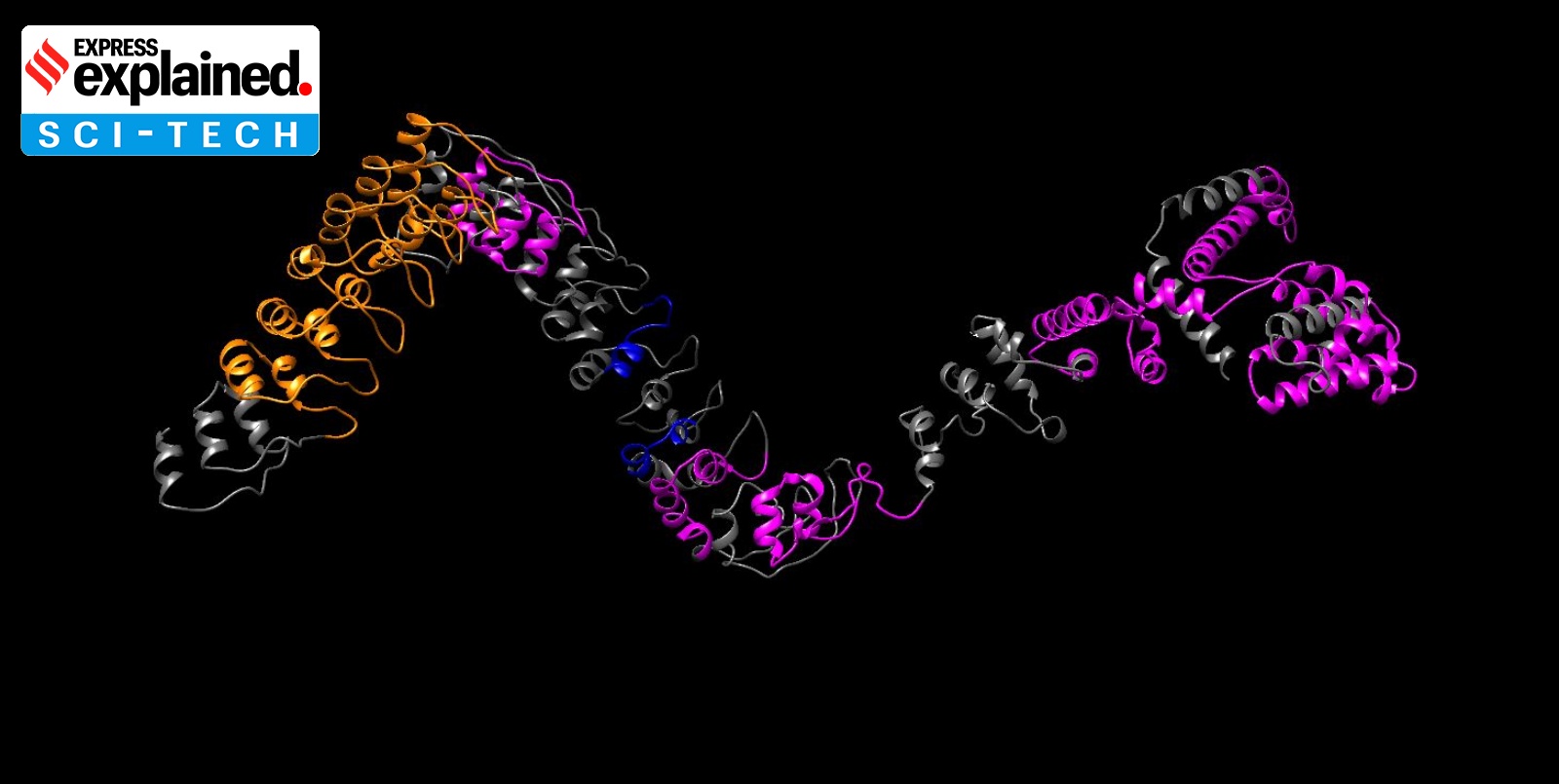
Imagine tiny machines inside your cells called proteins that do important jobs.
Scientists use computer programs, like language models, to understand these machines better.
These programs are like a 'black box,' and it's hard to see how they work.
Researchers at MIT created a special tool using smaller networks to look inside these programs.
They found out how the programs learn about proteins.
This helps scientists trust the programs and use them to design new medicines and vaccines.

Scientists are using protein language models (pLMs) to study proteins.
pLMs help predict protein structure and function, aiding drug development.
Researchers used sparse autoencoders to explore how pLMs make predictions.
The study helps to understand the inner workings of these complex models.
This could improve confidence in using pLMs for scientific applications.
- Who
- Researchers at MIT, including Onkar Gujral and Bonnie Berger
- What
- Used sparse autoencoders to analyze protein language models (pLMs)
- When
- Study published last month.
- Where
- Massachusetts Institute of Technology (MIT)
- Why
- To understand how pLMs function and make predictions.
- Research Focus
- Understanding protein language models (pLMs)
- Lead Institution
- Massachusetts Institute of Technology (MIT)
- Technique Used
- Sparse autoencoders
- Published in
- Proceedings of the National Academy of Sciences
- Primary Application of pLMs
- Predicting protein structure/function for drug/vaccine development