

Archive · 24 Jul 2026
Extreme Heat Threatens Camel Survival in Deserts
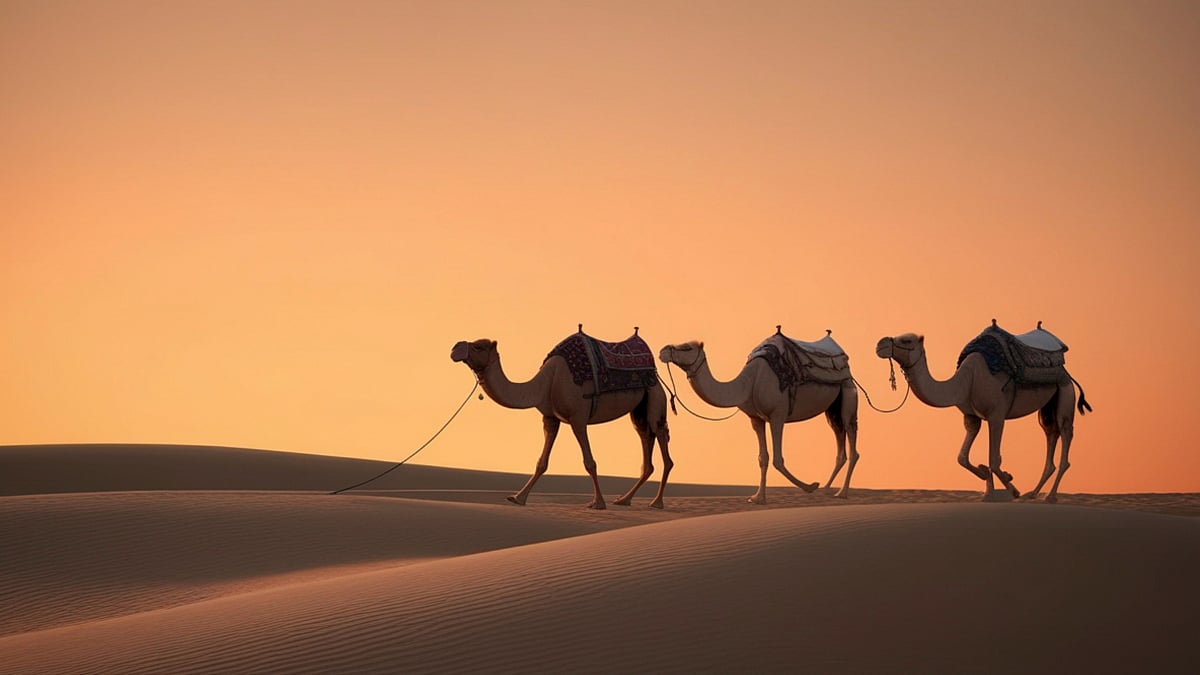
Camels, known for their ability to survive in harsh desert conditions, are now struggling as temperatures rise due to climate change.
In places like North Africa and the Middle East, temperatures often exceed 50°C, which is too hot even for camels.
This extreme heat causes them to get sick, dehydrated, and sometimes die.
Herders like Ali Umer from Ethiopia are losing their camels, which are very important for transporting goods and supporting their livelihoods.
Experts say camels can usually handle temperatures around 40°C, but the new extreme heat is making it hard for them to cope.
This is a big problem because camels are essential for many communities in these regions.

Extreme heat in deserts is causing severe health issues and deaths among camels.
Temperatures frequently exceed 50°C, surpassing camels' natural tolerance limits.
Camels are essential for transporting goods and supporting livelihoods in desert regions.
Herders are experiencing significant losses due to the extreme heat.
Experts warn that rising temperatures and reduced vegetation are increasing heat stress on camels.
- Who
- Camel herders and their livestock in North Africa and the Middle East
- What
- Extreme heat is causing severe health issues and deaths among camels
- When
- Currently, with increasing frequency due to climate change
- Where
- Desert regions of North Africa and the Middle East
- Why
- Rising temperatures exceed camels' natural tolerance limits, leading to heat stress and other health problems
Climate Change Deniers
Climate Scientists
Cause of Rising Temperatures
Climate Change Deniers
Natural climate variability is responsible for the recent temperature increases.
Climate Scientists
Human activities, particularly greenhouse gas emissions, are the primary drivers of the observed temperature rises.
- Regions Affected
- North Africa and the Middle East
- Critical Temperature Threshold
- 50°C
- Camel Adaptations
- Thick coats, efficient body temperature regulation, minimal sweating
- Impact on Herders
- Loss of livestock and economic disruption
- Key Expert
- Dr. Mohammed Bengoumi, UN Food and Agriculture Organization