

Archive · 29 Jan 2026
South Korea Enforces World's First AI Law
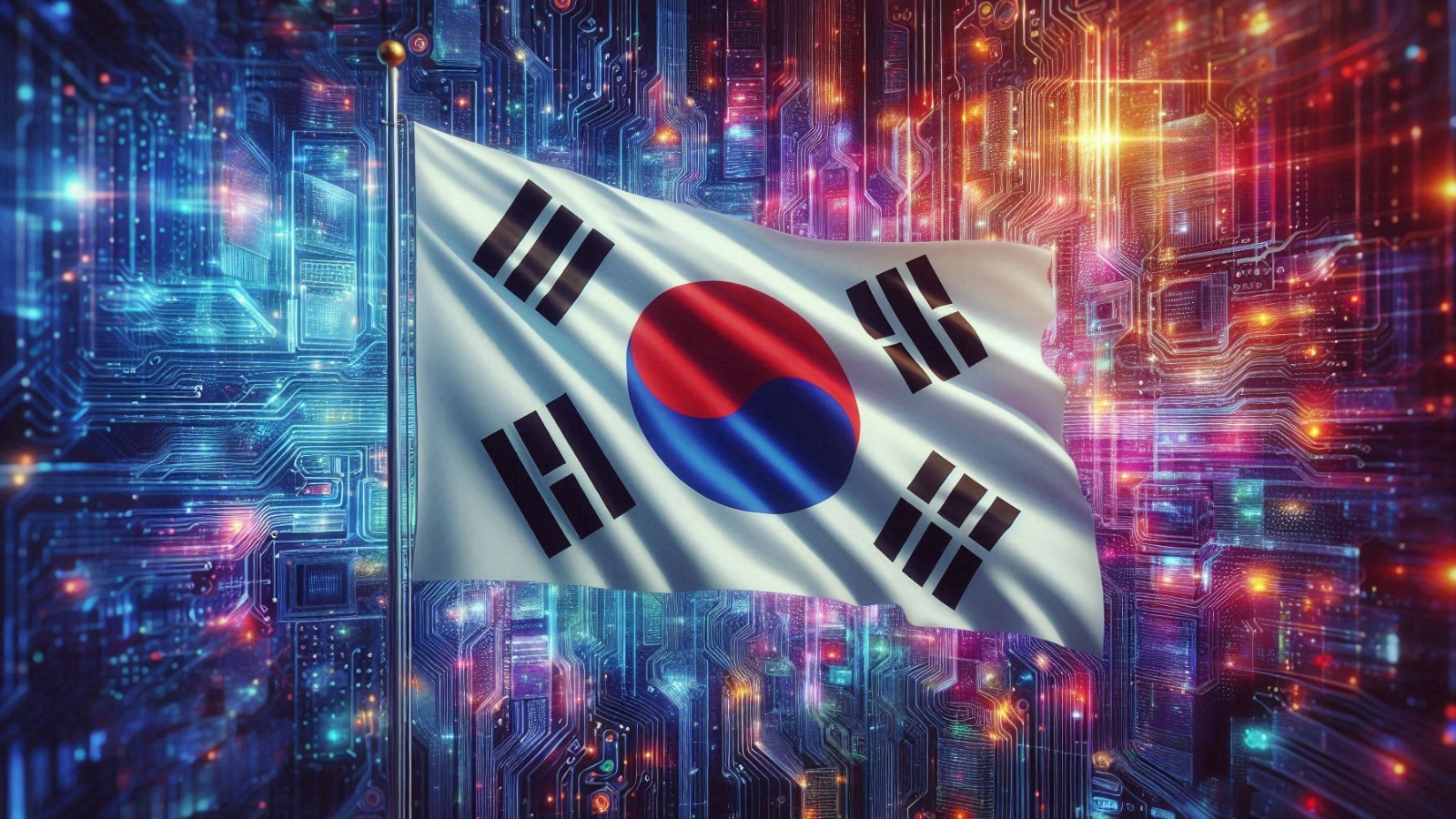
South Korea has started enforcing the world's first comprehensive AI law, called the AI Basic Act.
This law requires companies to label AI-generated content with digital watermarks and ensures that high-impact AI systems, like those used in medical diagnosis and hiring, are safe and transparent.
Companies that break the law can be fined up to 30 million won, but they have at least a year before these fines start.
However, some tech startups in South Korea are unhappy because they think the law is too strict and gives foreign companies an advantage.
On the other hand, civil society groups say the law doesn't do enough to protect people from the risks of AI.
The government hopes this law will help create a safe and healthy AI environment in South Korea.

South Korea's AI Basic Act, enforced on January 22, 2024, is the world's first comprehensive AI law.
The law requires companies to label AI-generated content with digital watermarks and ensures transparency in high-impact AI systems.
Fines for non-compliance can reach up to 30 million won, with a grace period of at least one year.
Tech startups criticize the law for being too strict and favoring foreign companies, while civil society groups argue it lacks protections for citizens.
The law aims to promote AI industry growth while addressing concerns about AI-generated content and high-impact AI systems.
- Who
- South Korean government and AI companies
- What
- Enforcement of the AI Basic Act, a comprehensive AI regulation law
- When
- January 22, 2024
- Where
- South Korea
- Why
- To regulate AI use, promote industry growth, and address concerns about AI-generated content and high-impact AI systems
- Date of Enforcement
- January 22, 2024
- Key Requirement
- Labeling AI-generated content with digital watermarks
- Fines for Non-Compliance
- Up to 30 million won
- Grace Period
- At least one year before fines apply
- High-Impact AI Systems
- Medical diagnosis, hiring, loan approvals
- Foreign Firms
- Subject to more relaxed thresholds than local companies
- Civil Society Concerns
- Lack of protections for citizens from AI risks
- Startup Alliance Survey
- 98% of AI startups unprepared for compliance