Archive · 2 Sep 2026
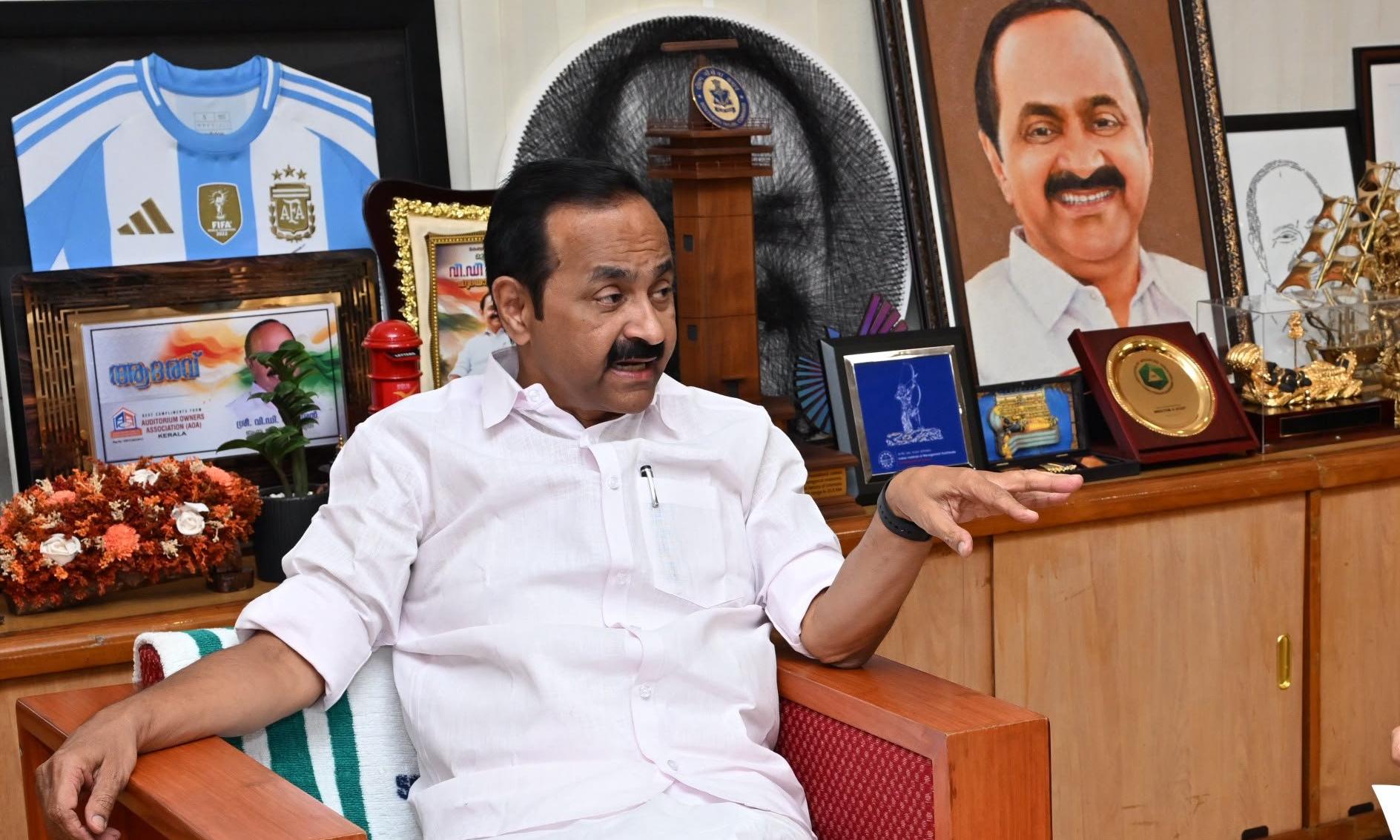
Kerala Chief Minister Satheesan Rejects Kanthapuram’s Restrictions on Women
A Muslim scholar named Kanthapuram said women should mostly stay inside their homes.
He also said women appearing on public platforms could cause serious problems.
V D Satheesan strongly disagreed with this view.
Satheesan said women should take part in every part of society.
He said limiting women would not fit Kerala’s progressive traditions.
Satheesan also said the view misunderstood Islamic history.
He mentioned Khadija as a businesswoman and Aisha as a military leader.
Other political leaders criticised the scholar, while one Muslim League leader defended his comments.

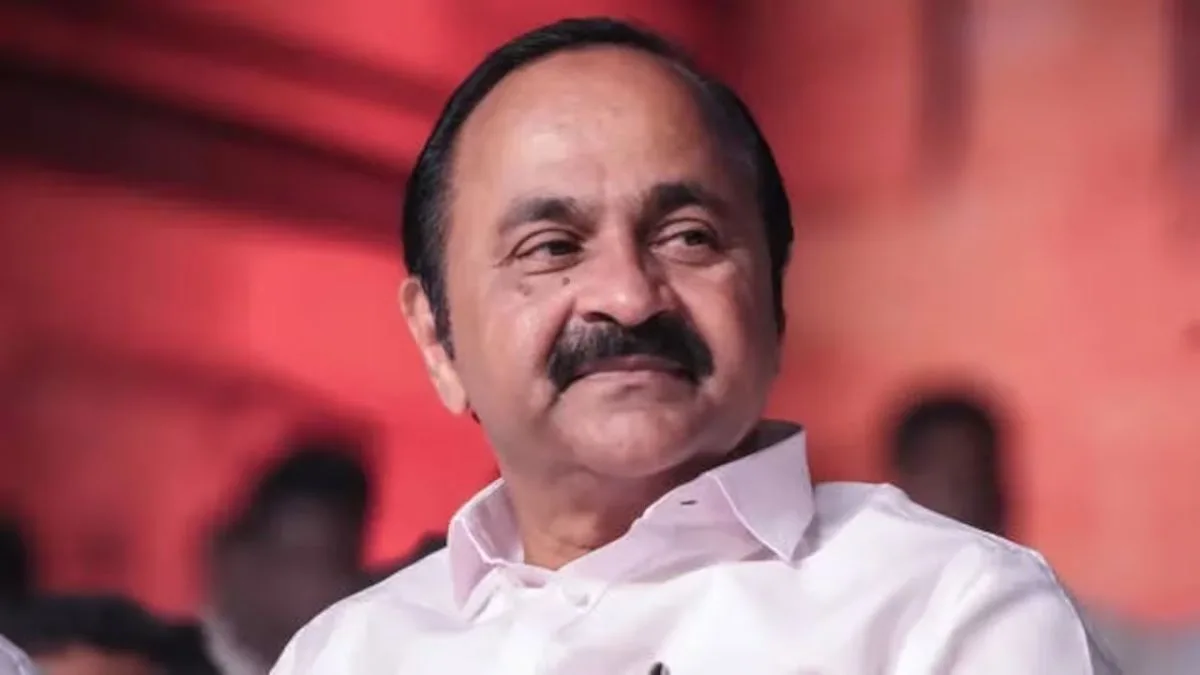
V D Satheesan rejected Kanthapuram A P Aboobacker Musliyar’s call for women to remain confined to their homes.
Satheesan said women should participate in social, economic and political life and play a central role in society.
Kanthapuram defended restrictions on women’s public participation at an Islamic conference in Kochi on Sunday.
Satheesan said the cleric’s position was incompatible with Kerala’s progressive traditions and misinterpreted Islamic history.
The dispute drew criticism from several political leaders, while IUML president Panakkad Sadiq Ali Shihab Thangal defended Kanthapuram’s remarks as scholarly.
- Who
- Kerala Chief Minister V D Satheesan, Sunni scholar Kanthapuram A P Aboobacker Musliyar, political leaders and Muslim organisations.
- What
- Satheesan opposed remarks supporting restrictions on women’s movement and participation in public life.
- When
- Kanthapuram spoke on Sunday; Satheesan responded on Wednesday after a state Cabinet meeting.
- Where
- The original remarks were made at an Islamic conference in Kochi; subsequent statements came from Thiruvananthapuram, Malappuram and other locations in Kerala.
- Why
- Satheesan said restricting women conflicted with Kerala’s progressive traditions and misinterpreted Islamic history; Kanthapuram’s supporters cited religious authority, dignity and safety.
Women’s Public Participation
Women’s Restricted Public Role
Participation in society
Women’s Public Participation
Satheesan and several political leaders said women should freely participate in social, economic and political life.
Women’s Restricted Public Role
Kanthapuram argued that women should remain confined to their homes, citing religious prescriptions and protection of dignity.
Public platforms and events
Women’s Public Participation
Critics said excluding women from public platforms and processions was incompatible with constitutional rights and modern Kerala.
Women’s Restricted Public Role
Kanthapuram’s supporters backed restrictions on women sharing stages or joining processions with unrelated men, citing safety and social regulation.
Religious interpretation
Women’s Public Participation
Satheesan said Islamic history showed women acting as business leaders, military leaders, rulers and participants in governance.
Women’s Restricted Public Role
The Kanthapuram faction and Muslim Jamaat said Satheesan had misinterpreted Islamic history and that the government should not interpret religious texts or norms.
- Main respondent
- V D Satheesan, Kerala Chief Minister
- Speaker criticised
- Kanthapuram A P Aboobacker Musliyar, a prominent Sunni Islamic scholar
- Kanthapuram’s position
- Women should remain indoors or behind purdah, and unrestricted public participation could cause great destruction.
- Satheesan’s position
- Women should participate in all spheres of life and occupy the mainstream of social, economic and political life.
- Historical examples cited
- Satheesan referred to Khadija, Aisha, Queen Bilqis and women debating decisions in the court of Caliph Umar.
- Related directive
- Samastha Kerala Jamiyyathul Ulama issued a circular concerning women standing on public platforms, sharing stages or joining road processions alongside unrelated men.
- Political response
- Several leaders criticised the remarks, while IUML State President Panakkad Sadiq Ali Shihab Thangal defended them as a scholarly expression.