

Archive · 5 Dec 2025
India's Capital Faces Severe Pollution Crisis
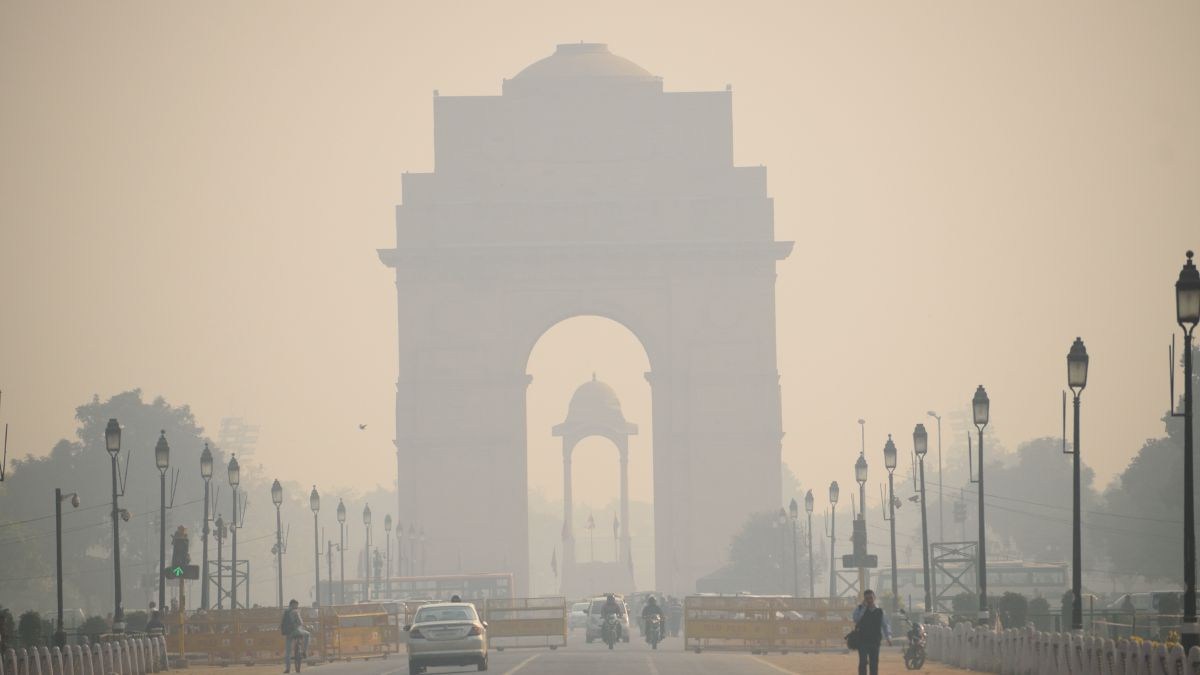
The National Capital Region (NCR) of India is facing a serious pollution problem.
The air quality is very poor, especially in winter.
The government has a plan called GRAP to control pollution, but it's not solving the main causes.
Vehicles are the biggest polluters, and many still use old, dirty engines.
The government has a task force working on this, but they need to do more to encourage people to use public transport.
This could help reduce pollution all year round.

The National Capital Region (NCR) is experiencing severe air pollution, with air quality in the very poor to severe category.
The government's Graded Response Action Plan (GRAP) addresses symptoms but not the root causes of pollution.
A high-level task force has been formed to tackle the issue, focusing on emission inventories and source apportionment studies.
Vehicles are the primary source of pollution in the NCR, with 37% of vehicles still using outdated emission norms.
The task force suggests incentivizing public transportation and expanding the bus fleet to reduce pollution.
- Who
- Residents and authorities of the National Capital Region (NCR)
- What
- Severe air pollution crisis in the NCR
- When
- Ongoing, with winter being the most critical season
- Where
- National Capital Region (NCR), India
- Why
- High vehicle emissions and inadequate public transportation infrastructure
- Region
- National Capital Region (NCR)
- Current Air Quality
- Very poor to severe
- Graded Response Action Plan (GRAP)
- Stages I to IV based on air quality thresholds
- High-Level Task Force
- Chaired by Principal Secretary to the Prime Minister
- Major Pollution Source
- Transport sector, particularly vehicles
- Vehicle Emission Standards
- 37% of vehicles in Delhi-NCR still use BS-I to BS-III norms
- Supreme Court Bus Fleet Target
- 10,000 buses, not yet met
