Archive · 1 Dec 2025
India's Air Pollution Crisis and Policy Failures
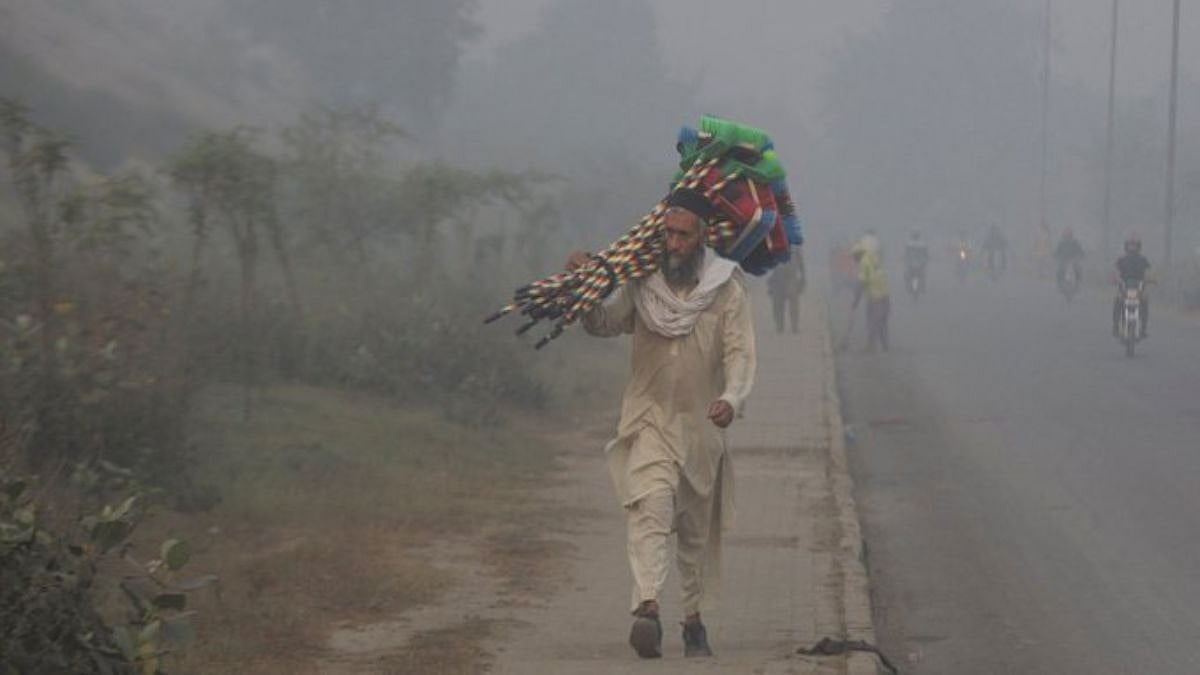
India has a very serious problem with air pollution.
Every year, especially in November, the air gets extremely dirty.
This is not because of bad weather but because of the choices the country makes.
Many people, including lots of children, get very sick and even die because of this dirty air.
The government knows about this problem and has some plans to help, but these plans are not enough.
The air is still very dangerous.
The author says that the way India is growing is hurting people's health and the economy.
They argue that the right to clean air is a basic right and that the government is not doing enough to protect it.
The author also points out that trees and forests are being cut down for roads and other projects, which makes the air even worse.
They say India needs to make a big change and choose a different way to grow that doesn't make people sick.
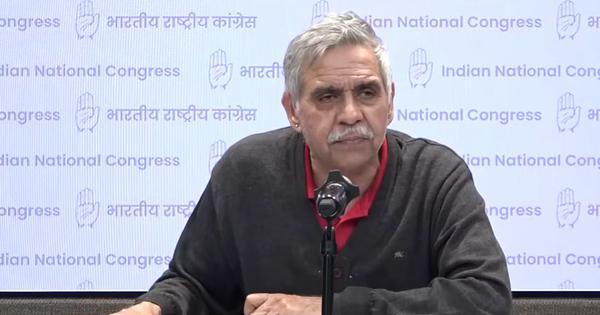
Some people, like former Puducherry lieutenant governor Kiran Bedi, have spoken out about the government's lack of action and suggested that officials should experience the impact of air pollution directly to understand the urgency of the problem.

India's air pollution crisis is driven by policy choices and inadequate government response, not just weather or geography.
In 2021, 2.1 million people in India died from air-pollution-linked illnesses, including 460 children daily.
Key sources of pollution include coal plants, industrial clusters, construction sites, diesel vehicles, and open garbage burning.
The government has clean-air schemes and commissions, but these are insufficient to address the severe pollution levels.
The right to clean air is a Fundamental Right under Article 21 of the Constitution, and current policies violate this right.
- Who
- Indian citizens, especially vulnerable populations like children
- What
- Air pollution crisis caused by policy decisions and inadequate government response
- When
- Ongoing, with severe impacts every November
- Where
- India, particularly in cities
- Why
- Due to policy choices prioritizing economic growth over environmental health and insufficient government action
Critics of Government Inaction
Government and Supporters
Government Response to Air Pollution
Critics of Government Inaction
Critics argue that the government's response to air pollution is inadequate and that policies prioritize economic growth over environmental health, leading to severe health impacts and economic losses.
Government and Supporters
The government has implemented clean-air schemes and commissions, such as the Delhi-NCR commission and graded response plans, to address the issue, but these efforts are insufficient to tackle the severe pollution levels.
- Deaths in 2021
- 2.1 million from air-pollution-linked illnesses
- Children dying daily
- 460
- Most polluted cities
- 75 of the world's 100 most polluted cities are in India
- Sources of pollution
- Coal plants, industrial clusters, construction sites, diesel vehicles, open garbage burning
- Policy response
- Clean-air schemes, Delhi-NCR commission, graded response plans
- Legal standing
- Right to clean air is a Fundamental Right under Article 21 of the Constitution
- Development impact
- Forest and tree cover often diverted for mines, highways, power lines, and tourism
- Economic impact
- Air pollution costs India around 3% of its GDP
- Life expectancy impact
- Long-term exposure to current pollution levels cuts about three and a half years from the average Indian’s life