

Archive · 23 Jul 2026
Spouses May Increase Dementia Risk by 70%
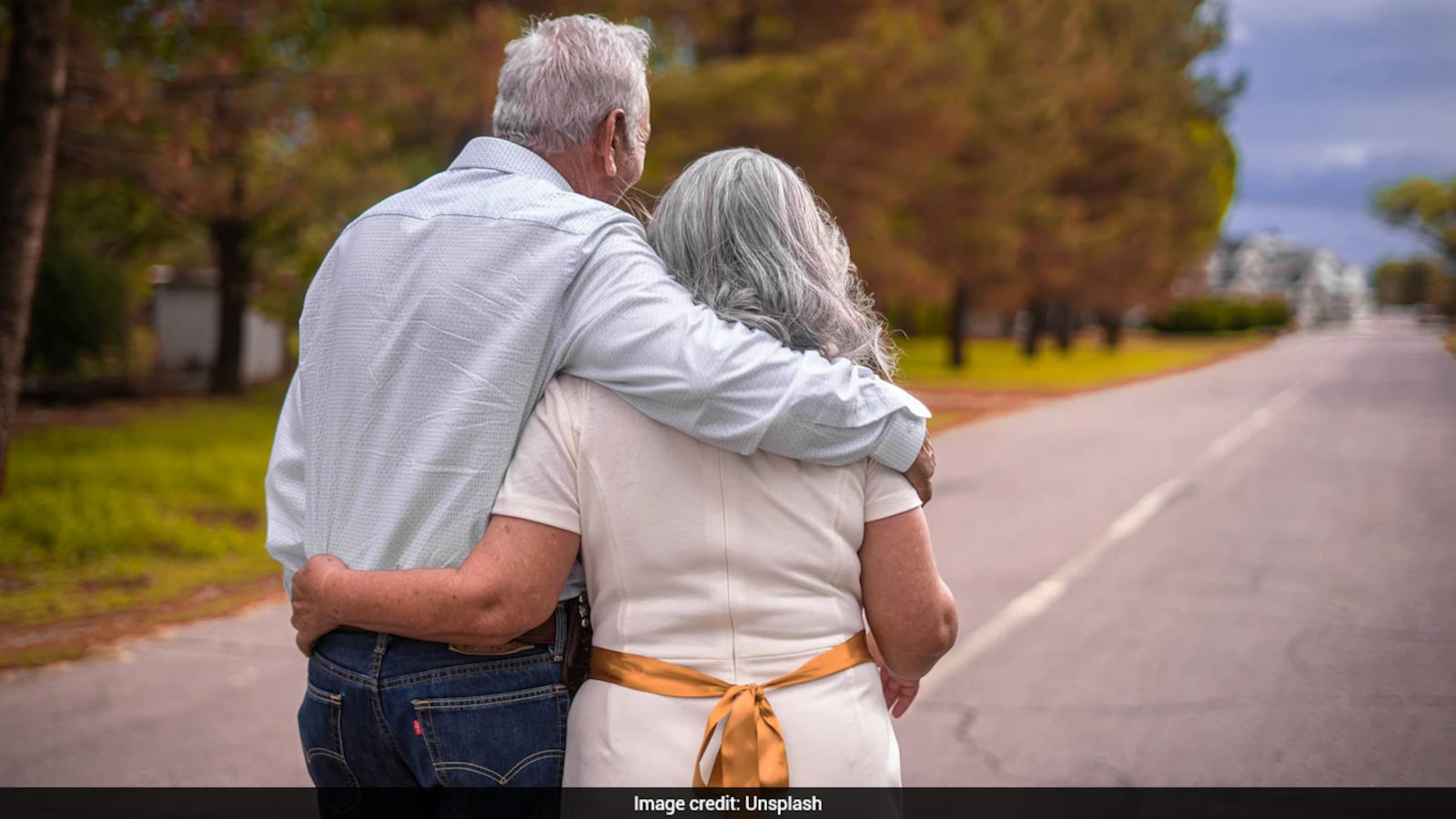
A new study found that if your spouse has dementia, you might be more likely to get it too.
The study looked at almost a million married people in Taiwan and found that women had up to a 74% higher chance and men had up to a 69% higher chance of developing dementia if their spouse had it.
Researchers think this could be because taking care of a spouse with dementia is very stressful.
They also think genes and shared environments might play a role.
The study used data from Taiwan's health insurance database from 1998 to 2022.
Future studies will look more at how much caregiving affects this risk and other factors like education and lifestyle.

Spouses of individuals with dementia have a significantly higher chance of developing dementia themselves.
The increased risk is up to 74% in women and 69% in men.
The study analyzed data from nearly one million married people in Taiwan.
Researchers suggest caregiving stress, genetic predispositions, and shared environmental factors as potential causes.
Future studies will examine caregiving intensity, education, lifestyle factors, and other shared or postexposure pathways.
- Who
- Married individuals in Taiwan
- What
- Increased risk of dementia in spouses of individuals with dementia
- When
- Study conducted between July 15, 2025, and May 15, 2026
- Where
- Taiwan
- Why
- Potential factors include caregiving stress, genetic predispositions, and shared environmental factors
Caregiving Stress
Genetic and Environmental Factors
Primary Cause of Increased Risk
Caregiving Stress
The stress and burden of caregiving for a spouse with dementia significantly contribute to the increased risk of developing dementia in the other spouse.
Genetic and Environmental Factors
Genetic predispositions and shared environmental factors play a more substantial role in the increased risk of dementia among spouses.
- Study Period
- July 15, 2025, to May 15, 2026
- Study Population
- Nearly one million married people in Taiwan
- Increased Risk in Women
- Up to 74%
- Increased Risk in Men
- Up to 69%
- Database Used
- Taiwan's National Health Insurance Research Database (1998-2022)