

Archive · 5 Dec 2025
Dying Ants Emit Alarm Scent to Protect Colony
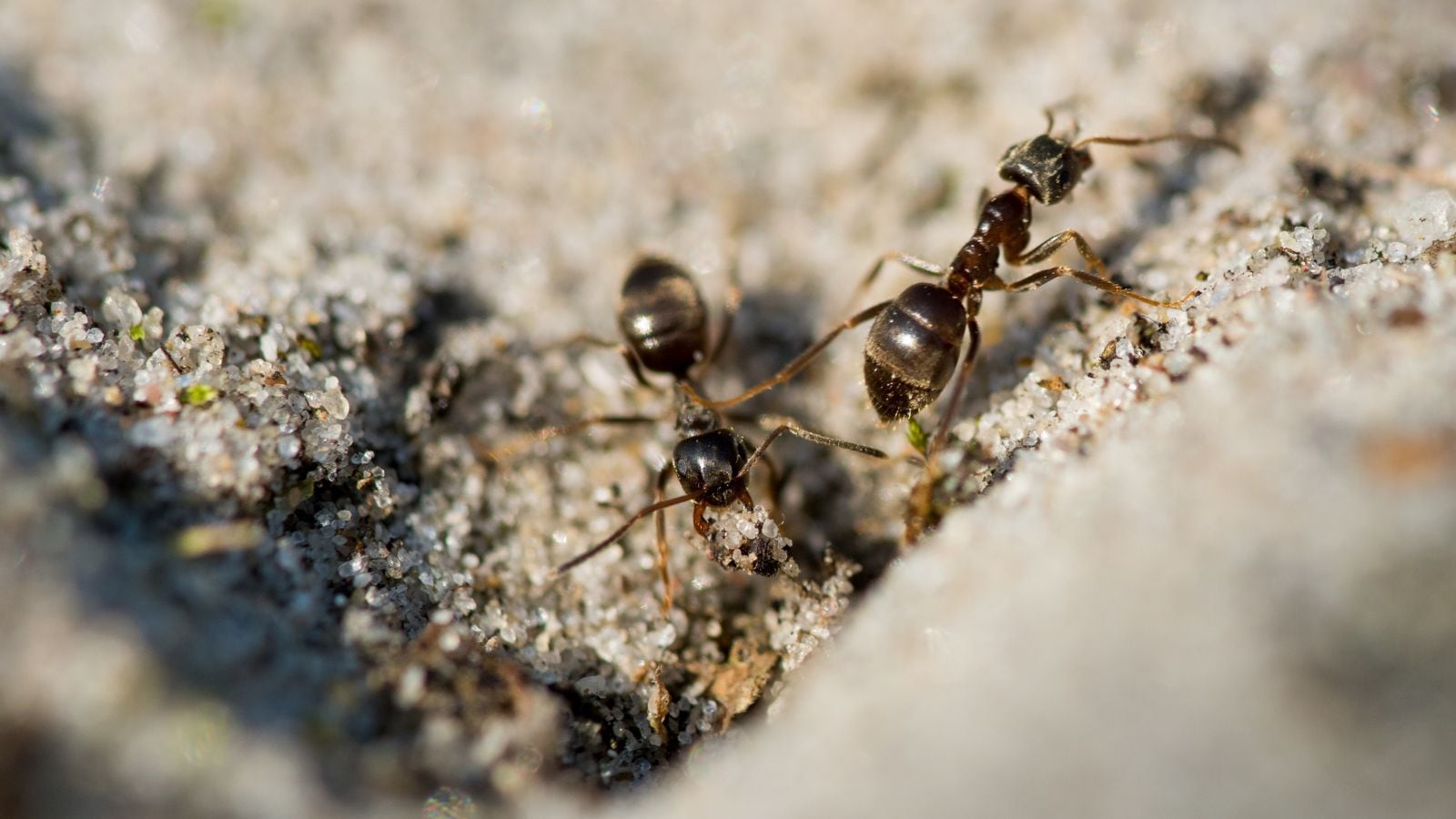
Scientists found that when ant pupae get a fatal infection, they release a special smell to warn the other ants.
This smell tells the worker ants to quickly remove and treat the infected pupa with a special acid to stop the infection from spreading.
Even though this treatment kills the infected pupa, it helps protect the rest of the colony.
The worker ants are very good at finding the exact pupa that is infected and only act when it's really necessary.
This way, the colony stays safe and healthy.
The research shows how ants work together like a big family to take care of each other.

Ant pupae facing fatal infections emit a unique chemical alarm scent to warn the colony.
Worker ants react by administering formic acid to the infected pupa, halting the infection but killing the pupa.
This behavior is a form of altruism, protecting genetically related nestmates and indirectly passing on the pupa's genes.
The chemical signal is precise, allowing workers to identify and treat only the infected pupa.
Queen pupae do not emit this signal as they have stronger immune defenses and can fight off infections on their own.
- Who
- Ant pupae facing fatal infections and worker ants
- What
- Emission of a unique chemical alarm scent by dying ant pupae to alert the colony
- When
- During fatal infections
- Where
- Within the ant colony
- Why
- To protect the colony from the spread of infection and ensure the survival of genetically related nestmates
- Research Institute
- Institute of Science and Technology Austria (ISTA)
- Journal
- Nature Communications
- Lead Author
- Erika Dawson
- Chemical Signal
- Unique chemical alarm scent
- Treatment Method
- Formic acid administration
- Collaborating Institution
- University of Würzburg
- Chemical Ecologist
- Thomas Schmitt
- Specialized Group
- Social Immunity group