

Archive · 11 Aug 2025
Kashmir Bans Books: A History of Banning Literature
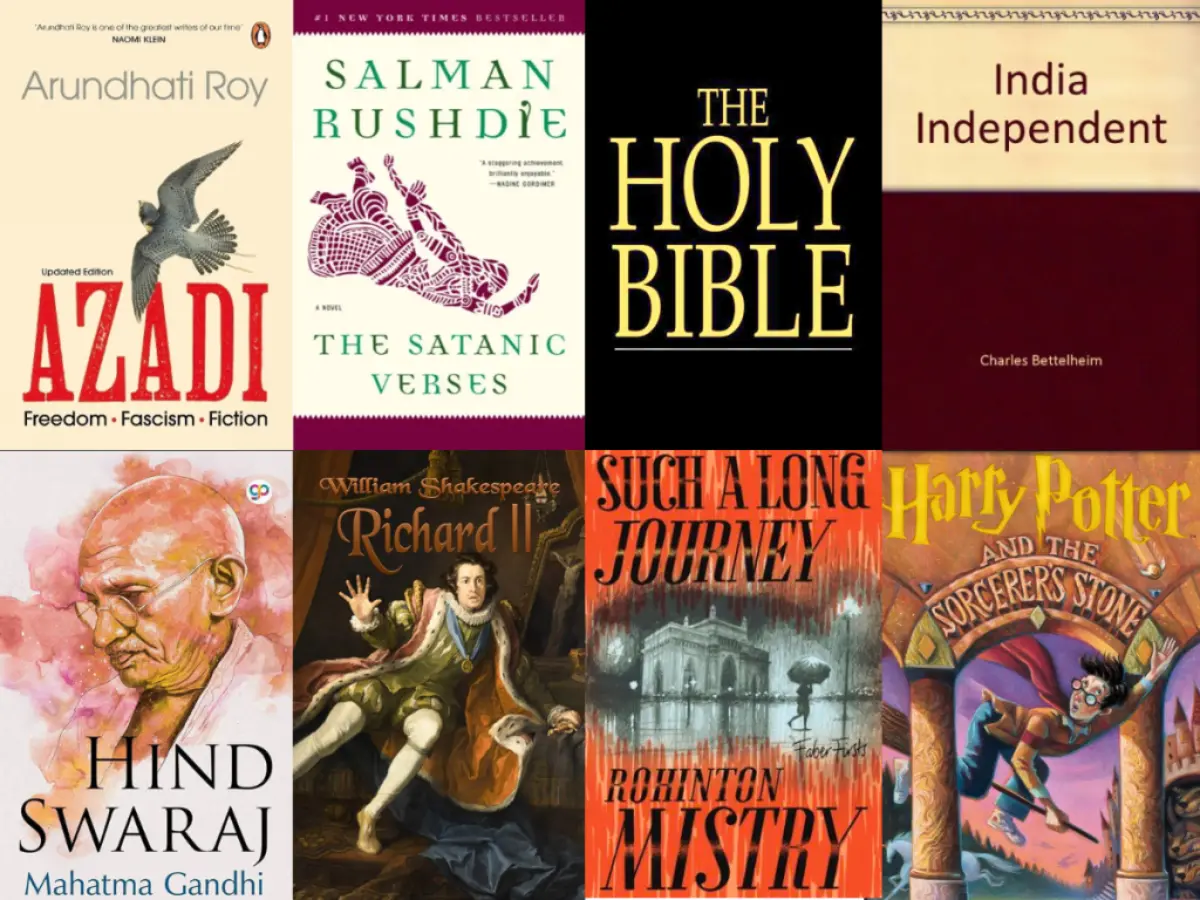
In Jammu and Kashmir, the government has banned 25 books, claiming they promote ideas that go against the government.
These books cover topics like human rights.
Throughout history, when books are banned, it sometimes makes people more curious about them.
Some well-known books were previously banned, like the Bible and Shakespeare's plays.
Now, with the internet, it's hard to stop people from reading banned books, as they can be found online.
Banning books often has political reasons behind it.
This can lead to more people reading the books, which makes it hard for bans to work.

Jammu and Kashmir banned 25 books for allegedly promoting secessionism.
The ban includes books by historians and academics, such as Arundhati Roy's Azadi.
Bookstores across the region have been raided to seize the banned books.
Historically, banning books has often increased their readership.
Bans face challenges in the digital age where books can be easily accessed online.
- Who
- The Jammu and Kashmir government.
- What
- Jammu and Kashmir has banned 25 books.
- When
- The Lieutenant Governor issued the order.
- Where
- Jammu and Kashmir, India.
- Why
- Allegedly to prevent the spread of secessionism.
Pro-Censorship
Anti-Censorship
Censorship vs Free Speech
Pro-Censorship
Banning books is a legitimate way to control harmful content and protect societal values.
Anti-Censorship
Banning books is censorship and a violation of free speech.
- Location of Ban
- Jammu and Kashmir, India
- Number of Books Banned
- 25
- Reason for Ban
- Promoting secessionism and false narratives
- Famous Banned Book
- Azadi by Arundhati Roy