Archive · 25 Jun 2025
West Asia: Six Takeaways from Ongoing Conflicts

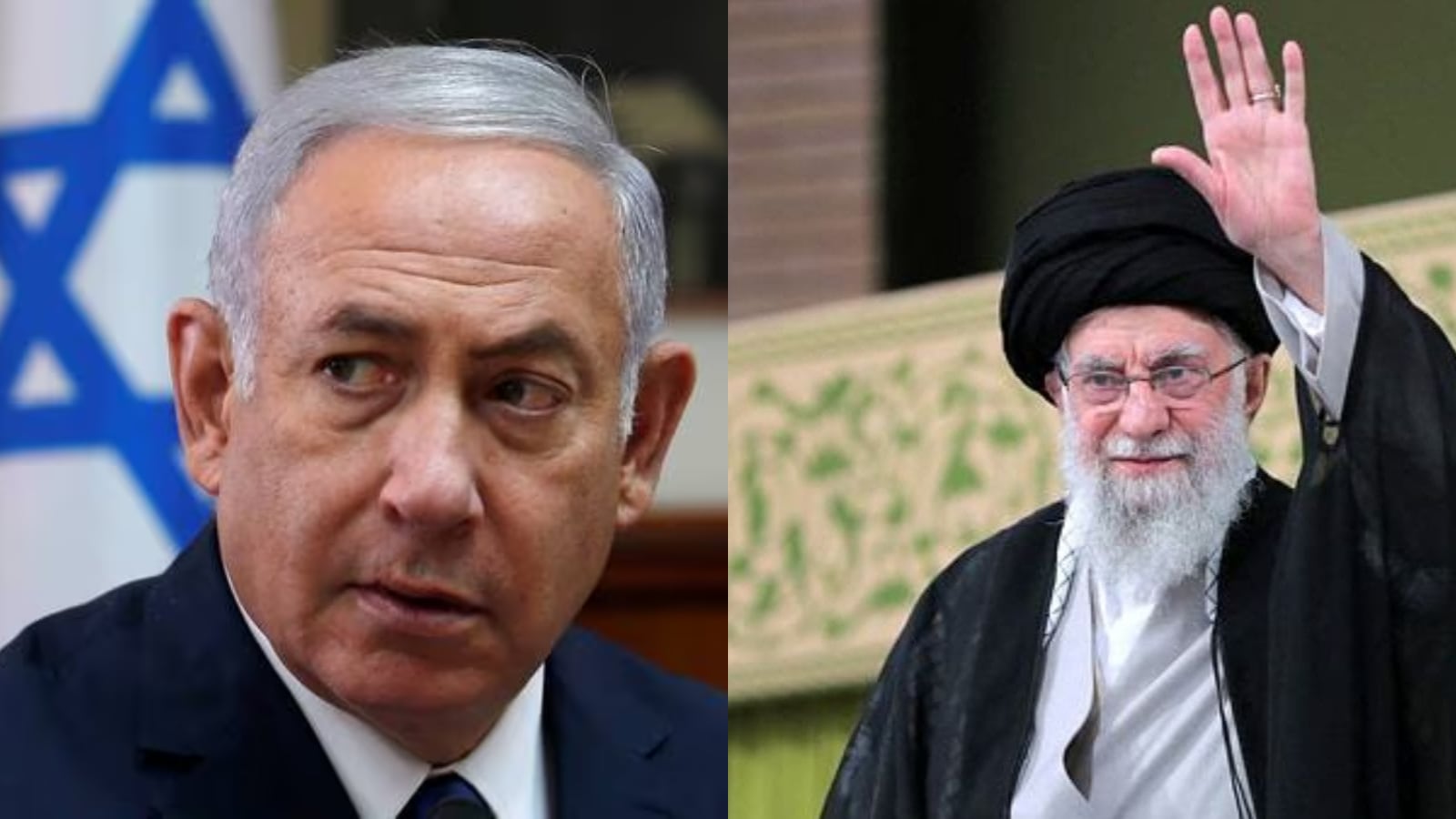
Recent events in West Asia, like attacks by Israel and the US on Iran, are making things unstable.
The rules the world usually follows seem to be breaking down.
Some countries are using force on their own, which causes problems.
Countries like India have to be careful to stay friends with different sides in the conflict, including Iran, countries in the Gulf, and Israel, because everyone has their own interests.

Unilateral use of force is challenging international law.
US and Israeli strikes against Iran are destabilizing.
Iran's regime survives but Israel's victory is incomplete.
Rules-based international order is weakened by recent events.
India must balance relationships with Iran, Gulf states, and Israel.
- Who
- The writer, a former Deputy National Security Adviser and Ambassador, analyzes events.
- What
- Analysis of conflicts and international dynamics in West Asia.
- When
- Recent events, specifically since October 7, 2023.
- Where
- West Asia.
- Why
- To understand the shifting geopolitical landscape and its impact.
Multilateralism and International Law
Unilateralism and National Interests
International Order
Multilateralism and International Law
Adherence to international law and cooperation.
Unilateralism and National Interests
Unilateral actions and prioritization of national interests.
- Key Event
- US & Israeli strikes on Iran
- Main Theme
- Unilateralism vs. Multilateralism
- India's Stance
- Balancing relations with all parties
- Regional Impact
- Political reengineering and strategic reordering
Sources

Shelly Tal Meron Exclusive On Iran vs Israel, Tel Aviv's Goal, US Entry & What's Coming Next - Watch

Russia-Ukraine To Iran-Israel, Trump's 'Peacemaker' Pitch Boomerangs? Expert Take On Newshour Agenda

Iran, Israel Or US: Who Won Battlefield? Most Credible War Expert John Spencer Decodes On Newshour
Nouriel Roubini: Regime change in Iran could give peace a chance in West Asia