

Archive · 28 Jul 2025
Gold-Producing Microbe Discovered, Offering Environmental Benefits
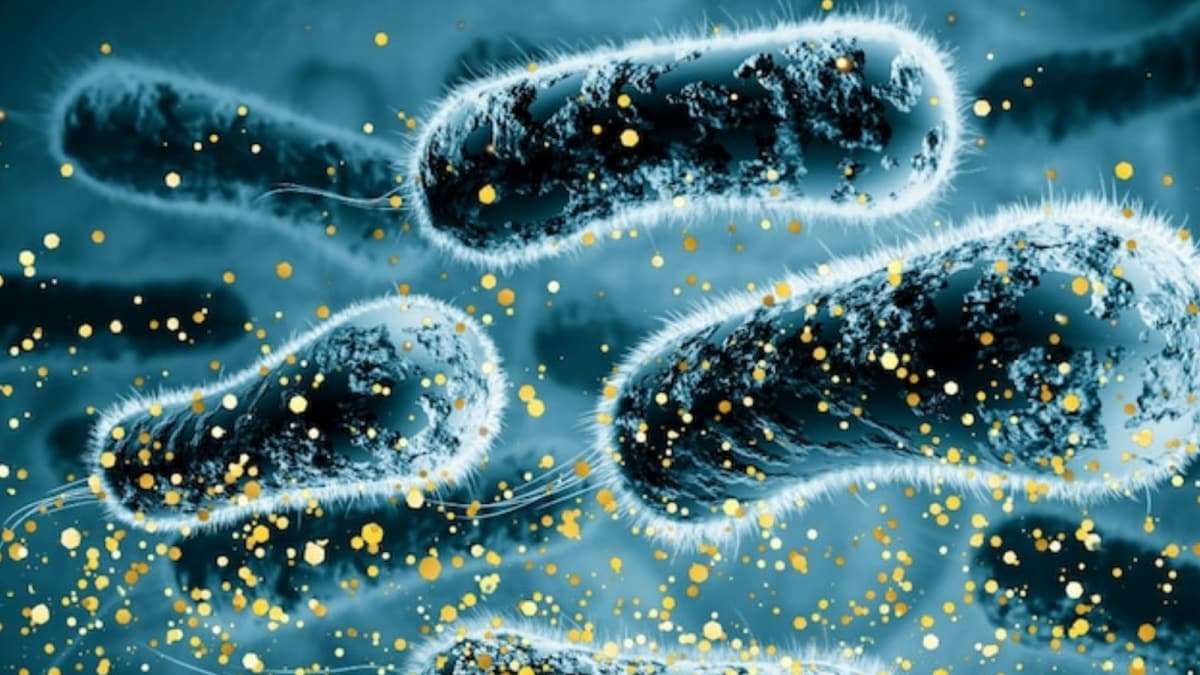
Imagine a tiny creature that lives in places filled with poisonous metals.
This special bug, found by scientists, eats these metals and poops out tiny bits of real gold!
It does this to protect itself from the poison.
The bug produces special helpers called enzymes that turn the metal into gold particles.
Scientists are excited because they think they can copy this bug to get gold from old electronics and leftover mining materials in a cleaner, cheaper way.
This could help clean up the environment and turn trash into treasure.

A microbe called Cupriavidus metallidurans converts toxic metals into 24-carat gold.
This microbe was discovered by researchers from Australia and Germany.
The microbe uses a defense mechanism to survive in toxic, metal-rich environments.
Special enzymes produced by the microbe transform gold ions into nanoparticles.
Scientists hope to use this process to extract gold from electronic waste and mine tailings.
- Who
- Researchers from Australia and Germany discovered the microbe Cupriavidus metallidurans.
- What
- A microbe converts toxic metals into 24-carat gold.
- When
- Published on July 28, 2025
- Where
- The microbe thrives in toxic soil.
- Why
- The microbe uses this process to survive in toxic environments and scientists aim to use this to extract gold.
Current Gold Mining Methods
Microbe-Based Gold Extraction
Mining Methods
Current Gold Mining Methods
Traditional methods are costly and use toxic chemicals.
Microbe-Based Gold Extraction
Microbe-based extraction is a potentially sustainable and affordable alternative.
- Microbe Name
- Cupriavidus metallidurans
- Metal Converted
- Toxic metals
- Product
- 24-carat gold nanoparticles
- Researchers' Location
- Australia and Germany
- Potential Use
- Extracting gold from waste