

Archive · 8 Jun 2025
Plant-Based Proteins: A Sustainable Nutrition Shift
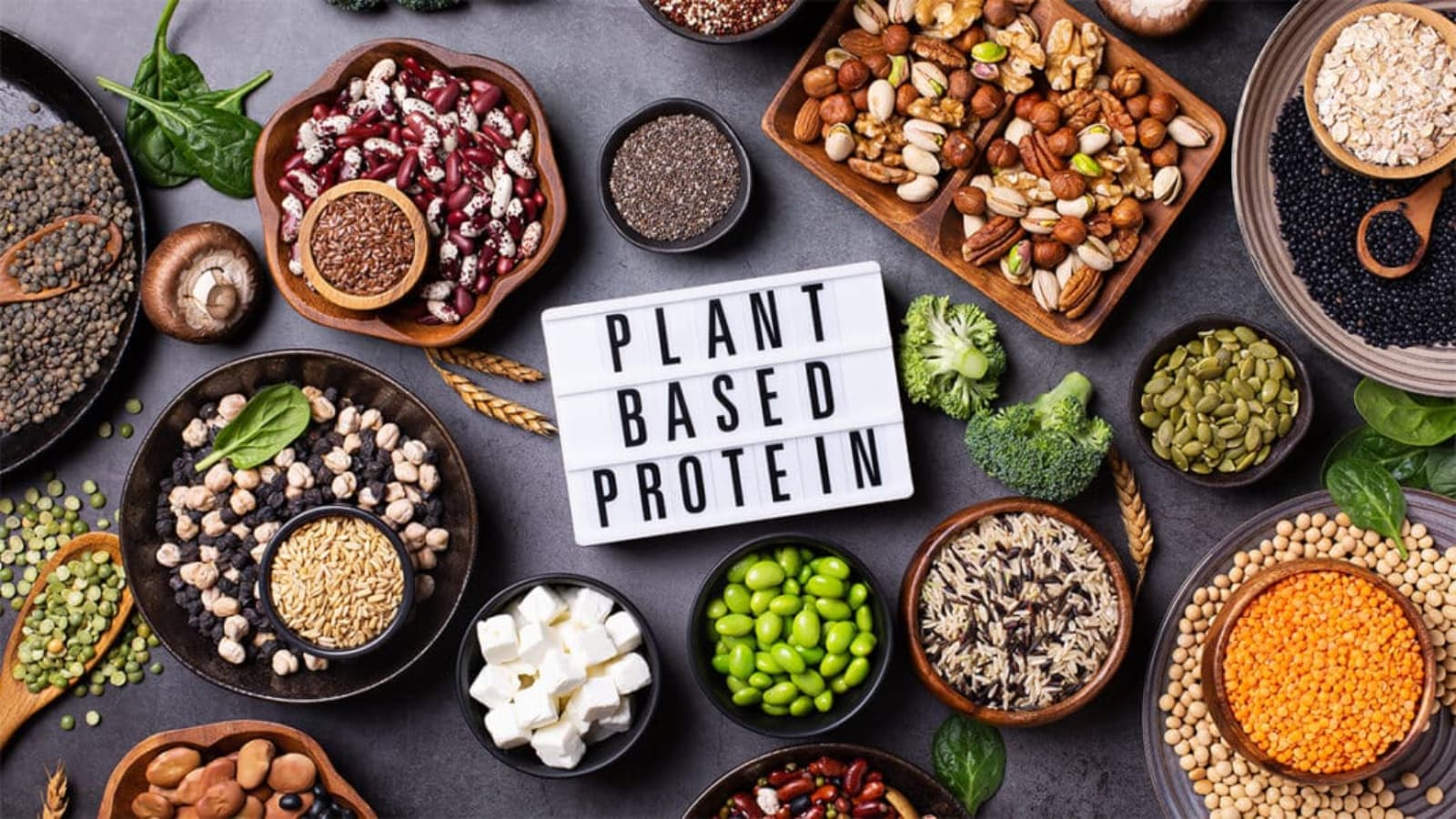
Plant-based proteins are becoming more popular as people learn about how food affects the planet and their bodies.
They are better for the environment than meat because they require fewer resources to produce.
They also have health benefits such as improved heart health, and are rich in fiber and antioxidants.
Scientists are making plant-based proteins more complete and easier to digest by combining different sources.
Plus, they help local farmers and reduce the risk of diseases from animals, like COVID-19.
Choosing plant-based options is a step toward a healthier planet and healthier people.

Plant-based proteins are gaining prominence as a response to environmental and health concerns.
Animal agriculture significantly impacts the environment compared to plant-based protein sources.
Diets rich in plant proteins are linked to improved cardiovascular health.
Advancements in food science enhance the digestibility and completeness of plant-based proteins.
Plant-based proteins support local economies and reduce risks of zoonotic diseases.
- Who
- The article is about plant-based proteins
- What
- The rise of plant-based proteins as a sustainable and healthy food choice.
- When
- June 08, 2025
- Where
- N/A
- Why
- Because of environmental and health benefits.
- Main Focus
- Plant-Based Proteins
- Environmental Impact of Animal Agriculture
- Accounts for ~14.5% of global emissions
- Health Benefits
- Improved cardiovascular outcomes
- Amino Acid Profile
- Can be completed by combining plant-based sources (e.g., rice and peas)
- Reduced Risk
- Zoonotic diseases