

Archive · 28 May 2025
West Bengal Faces Debate Over Ritualistic Hunting Practices
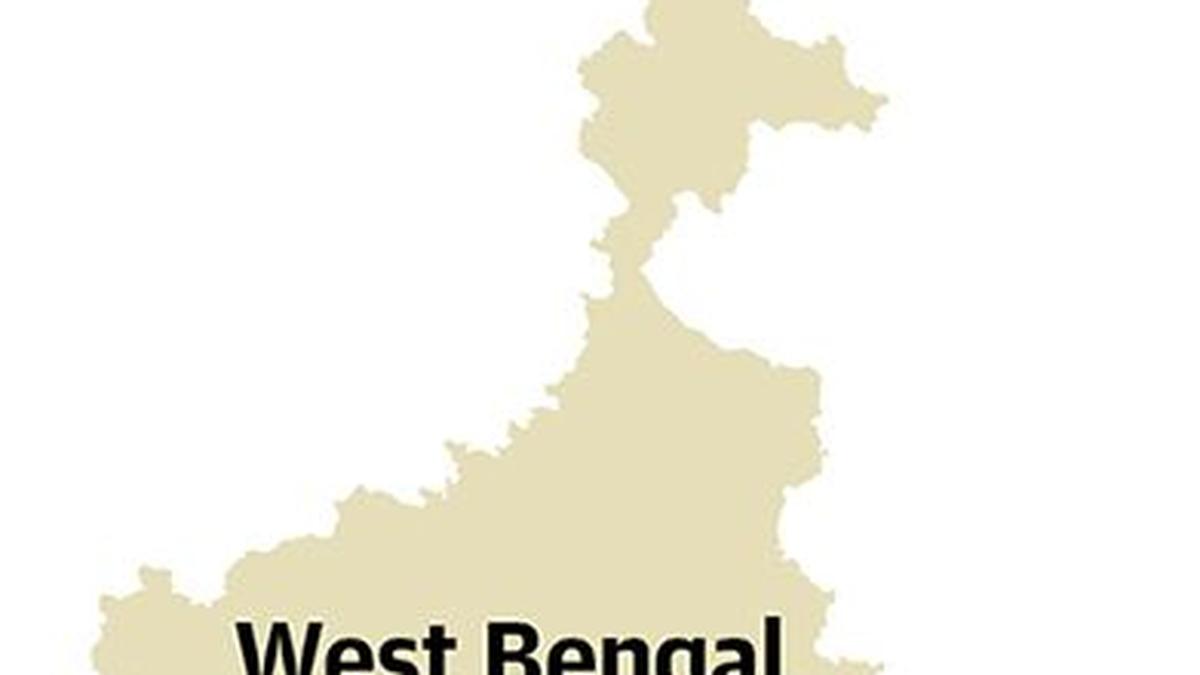
In West Bengal, people have a hunting festival called Sikari Utsav.
During this time, many people go into the forests to hunt animals like wild boars.
This tradition has been around for a long time, but it's causing problems for the environment.
The forests are getting damaged, and some animals are becoming scarce.
Some people think it's important to keep the tradition alive, while others want to protect the animals and forests.
The government is trying to work with local communities to find a way to balance both sides, teaching people about protecting the environment and its long-term benefits to ensure a healthy future for everyone and the animals.

Sikari Utsav, a hunting festival, occurs annually in southwest Bengal during the dry season.
Thousands of villagers and others hunt wildlife like wild boars and hares.
The practice threatens wildlife and strains forest protection efforts.
Proponents view the hunt as a traditional celebration.
Experts advocate for awareness, education, and stakeholder engagement to balance tradition and conservation.
- Who
- Villagers from West Bengal and neighboring states.
- What
- Ritualistic hunting during the Sikari Utsav.
- When
- March-May (dry season).
- Where
- South-west Bengal forests.
- Why
- Cultural practice with negative environmental impacts.
Environmental Preservation
Tradition's Value
Hunting's Significance
Environmental Preservation
The environmental consequences of hunting are undeniable, threatening biodiversity.
Tradition's Value
Hunting during Sikari Utsav is a cherished tradition passed down through generations.
- Hunting Festival Period
- March-May (dry season)
- Hunting Location
- Jhargram, Paschim Medinipur, Bankura, Purulia, Birbhum (West Bengal)
- Targeted Wildlife
- Wild boars and wild hares
- Local Organizations Involved
- Joint Forest Management committees
- Government Agency
- West Bengal Forest Department