

Archive · 18 Nov 2025
India's Sea Cow Population Faces Growing Threats
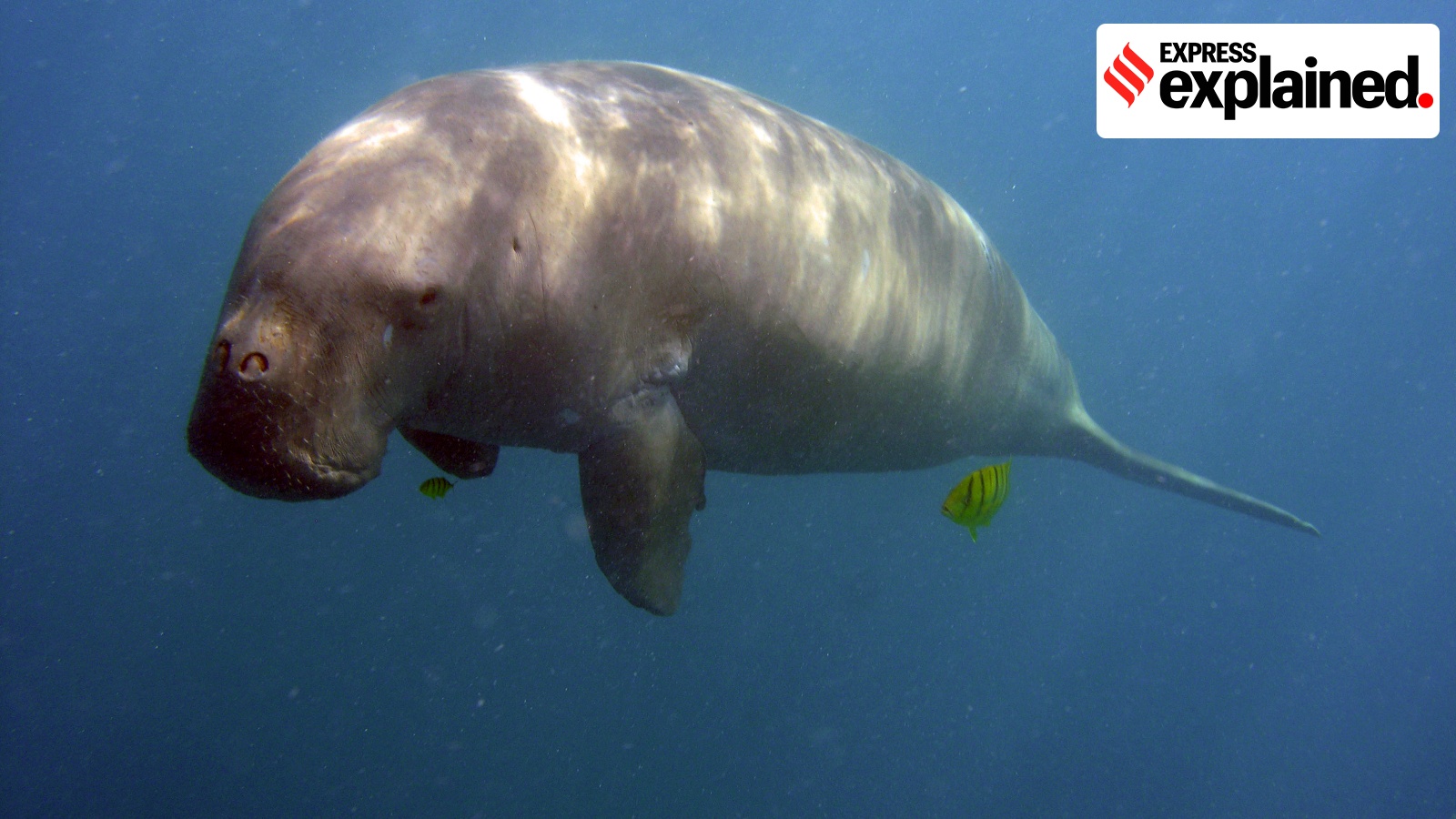
Dugongs, gentle sea creatures that eat seagrass, are in danger in India.
They help keep the ocean healthy.
People and pollution are hurting them, and they have babies slowly.
The government is trying to protect them, but they need more help.

Dugongs, or sea cows, face uncertain future in India's Gulf of Kutch and Andaman & Nicobar Islands
Population in Gulf of Mannar-Palk Bay much lower than before
IUCN lists dugongs as vulnerable, Indian law grants highest protection
Human activities and coastal habitat degradation threaten dugongs
Government efforts include Task Force and Dugong Conservation Reserve
- Who
- Dugongs (Dugong dugon)
- What
- Face uncertain future due to human activities and coastal habitat degradation
- When
- Currently, with population decline over years
- Where
- Gulf of Kutch, Gulf of Mannar-Palk Bay, Andaman and Nicobar Islands
- Why
- Human activities, pollution, slow reproduction rate
Conservationists
Government
Conservation Measures
Conservationists
More enforcement, reduction of threats, and monitoring needed
Government
Task Force established, Dugong Conservation Reserve created
- Primary Habitats
- Shallow, warm coastal waters
- Main Food Source
- Seagrass meadows
- Average Adult Size
- Up to 10 feet, 420 kg
- Current Population Estimate
- Between 400 and 450 individuals
- IUCN Status
- Vulnerable
- Indian Law Protection
- Schedule I of the Wild Life (Protection) Act, 1972