

Archive · 27 Sep 2025
Prosthetic Blades in Para Athletics: Advantages and Evolution
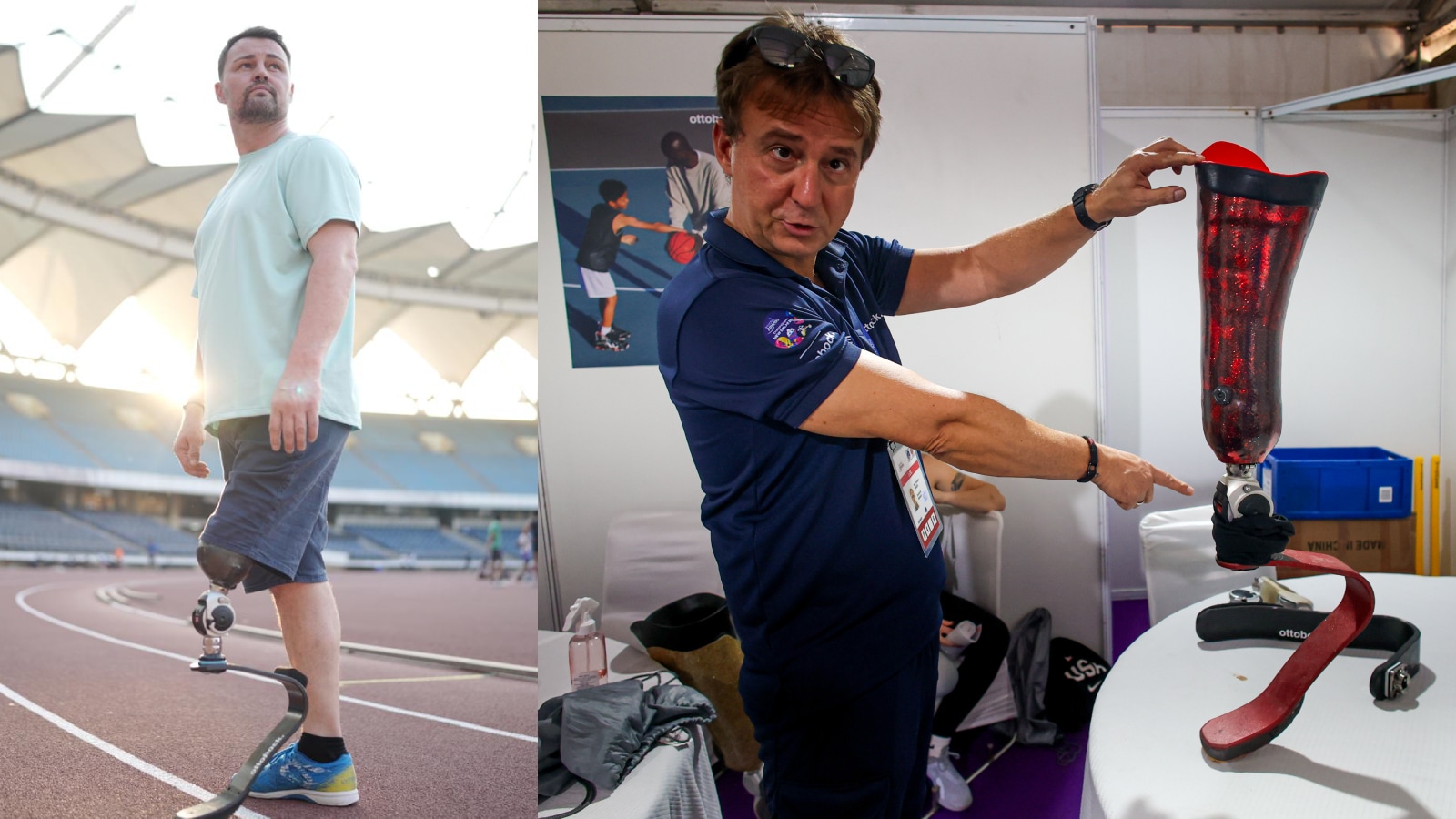
Imagine athletes with a missing leg using special, curved blades to run and jump.
These blades, made of strong carbon fiber, are like springs that help them move.
A former Paralympic champion explains that, unlike regular running, blade runners start slower because they can't push off from blocks.
These blades have come a long way from simple wooden ones.
They are now carefully designed, and regulated by the World Para Athletics, with the current designs originating in the 90s.
Blades do wear out and must be replaced as they are connected to the athlete’s body, causing unique issues.

Prosthetic blades, usually J-shaped and made of carbon fiber, are common in para athletics.
Heinrich Popow, a former champion, states using a blade is not an advantage due to the usage of bending energy.
Blade runners have a different start compared to able-bodied sprinters, not getting energy from starting blocks.
The Flex-foot Cheetah, introduced in 1984, revolutionized blades with carbon fiber.
Blades have to adhere to World Para Athletics specifications and must be in use for nine months before the tournament.
- Who
- Heinrich Popow and other para-athletes
- What
- The use and evolution of prosthetic blades in para athletics
- When
- From rudimentary wooden prosthetics to modern carbon fibre blades
- Where
- Para athletics events
- Why
- To provide mobility and functionality for amputee athletes in sports
- Athlete
- Markus Rehm (long jump); Heinrich Popow (sprinting)
- Blade Material
- Carbon fibre
- Blade Shape
- J-shaped
- Blade Inventor
- Van Phillips
- Flex-foot introduction
- 1984
- Blade regulation
- World Para Athletics (WPA) specifications