1 hr ago
Geopolitical Tensions Keep Indian Stocks Nearly Flat Early
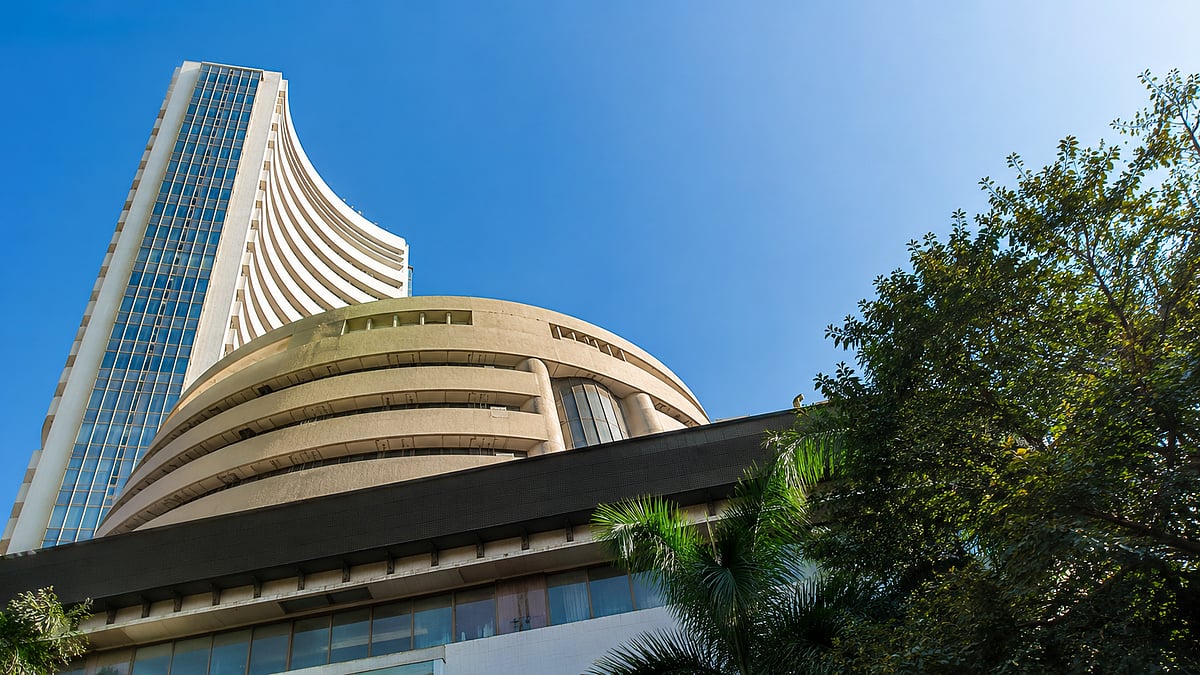
Indian stocks were almost unchanged on Thursday morning.
The Sensex and Nifty both moved slightly lower.
Investors were worried because oil became more expensive and US bond yields rose.
Tensions in the Middle East also made markets nervous.
Expensive oil can raise costs for India and hurt some companies.
Auto stocks fell, while public-sector bank stocks gained.
Analysts said the market could fall further if these worries continue.
They also said food, healthcare and pharmaceutical companies may hold up better.
Traders will watch oil prices and geopolitical news closely.

The BSE Sensex fell 21.32 points, or 0.03%, to 74,742.91, while the NSE Nifty 50 declined 7.85 points, or 0.03%, to 23,423.65.
Brent crude rose above $101 a barrel and the US 10-year Treasury yield reached 4.83%, increasing investor concerns.
Nifty PSU Bank gained more than 1% and Nifty Oil & Gas rose 0.61%, while Nifty Auto fell 0.66%.
Mahindra & Mahindra was the leading Nifty laggard, down 1.3%, with Bajaj Auto, Asian Paints and Eicher Motors also declining.
Analysts identified 23,260-23,000 as a support zone and 23,520 as an important upside level for the Nifty.
- Who
- Indian equity benchmarks, including the BSE Sensex and NSE Nifty 50, were traded by investors, with analysts assessing the outlook.
- What
- The benchmarks traded nearly flat, with the Sensex and Nifty recording marginal declines in early trading.
- Where
- Mumbai, India.
- When
- Thursday morning in early trading; the articles do not provide an exact date.
- Why
- Rising Brent crude prices, higher US Treasury yields and heightened geopolitical tensions weakened investor sentiment.
Downside Risks
Resilience Signals
Near-term market direction
Downside Risks
Analysts said the Nifty's fall below 23,500 weakened its technical structure and could leave the market vulnerable to further correction, with 23,260-23,000 identified as the next support zone.
Resilience Signals
The market remained nearly flat rather than sharply lower, while analysts said FMCG, pharmaceuticals and healthcare could remain relatively resilient during continued volatility.
Impact of high crude prices
Downside Risks
Analysts warned that crude prices staying above $100 could raise India's import costs, weigh on GDP growth and corporate earnings, and pressure aviation, paints, adhesives, tyres and chemicals.
Resilience Signals
The Nifty Oil & Gas index gained 0.61%, and analysts said some sectors and digital platform companies could remain comparatively strong despite the broader concerns.
Interest-rate concerns
Downside Risks
The rise in the US 10-year Treasury yield to 4.83% increased concerns about a possible Federal Reserve rate hike this month.
Resilience Signals
Large private banks were described as fundamentally strong, even though they faced technical weakness.
Key facts
- Sensex level
- 74,742.91, down 21.32 points or 0.03%.
- Nifty level
- 23,423.65, down 7.85 points or 0.03%.
- Brent crude
- Above $101 per barrel.
- US 10-year yield
- 4.83%.
- Top gaining sector
- Nifty PSU Bank, up more than 1%.
- Top losing sector
- Nifty Auto, down 0.66%.
- Technical levels
- Support at 23,260-23,000; upside level at 23,520.
Quotes
Another market expert
Market expert commenting on recent index performance and downside risks
“With Nifty dipping below the 23500 resistance, the market construct has turned weak. Technically the market is vulnerable to further correction, and the fundamental macro trends continue to deteriorate.”
 thehansindia.com
“Recovery attempts in the last few days have turned out to be brief, and have only served to add momentum to downsides.”
thehansindia.com
Sources
Related news

Sensex, Nifty Edge Lower Amid Crude and Global Concerns
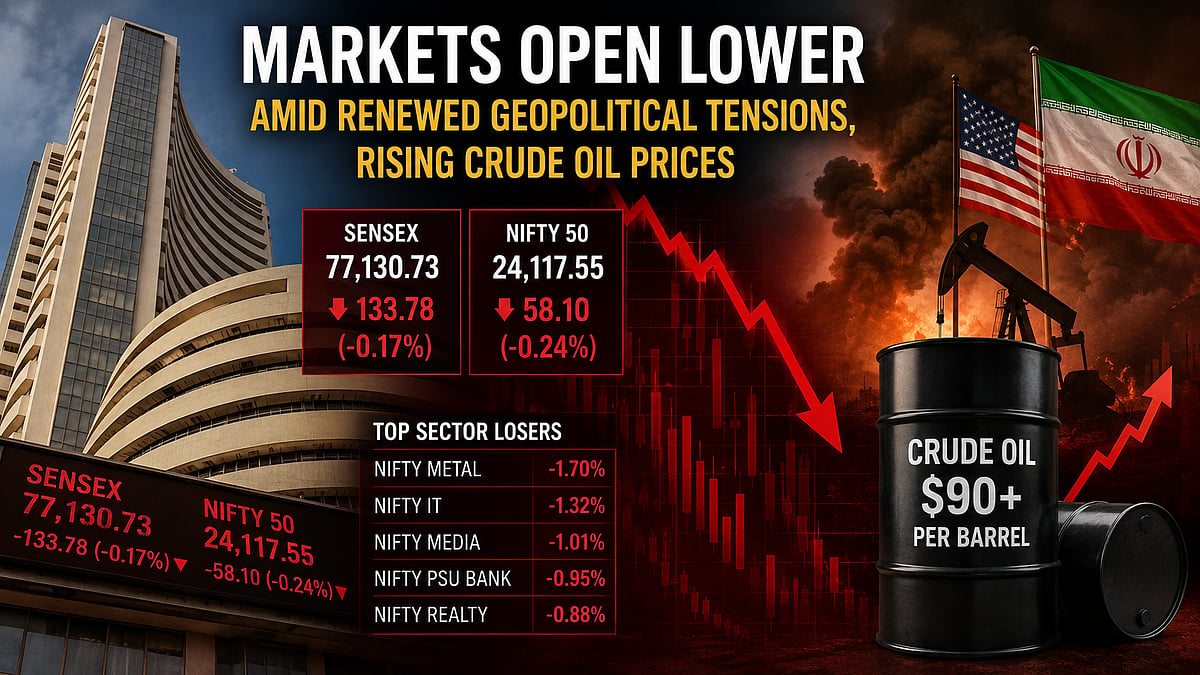
Indian Markets Open Lower as Oil and Tensions Rise

Sensex Ends Flat as Nifty Gains Amid Oil, Iran Tensions

Sensex, Nifty Down as Crude Tops $90 Amid US-Iran Tensions

Sensex, Nifty Open Higher as Oil Prices Ease
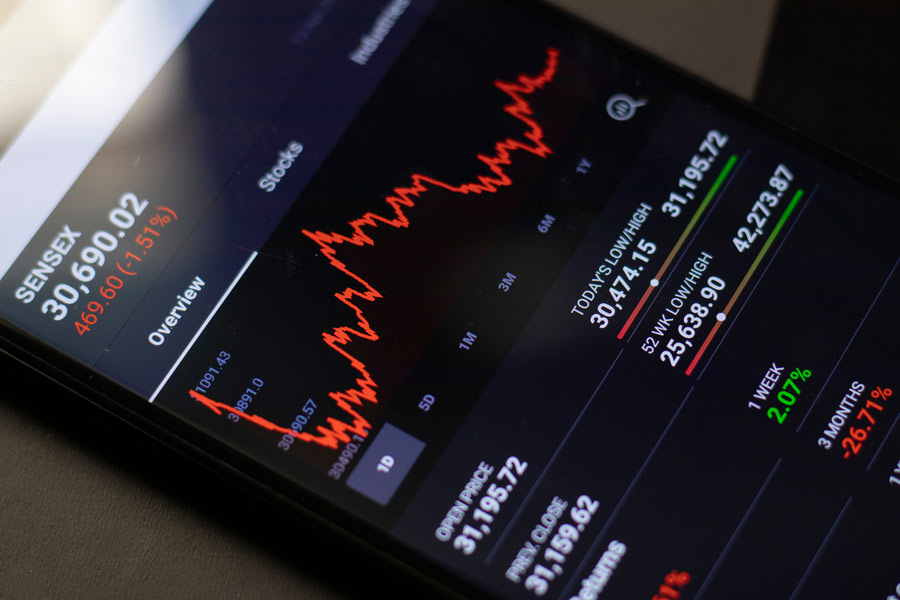
Sensex, Nifty drop as crude hits $91 on Iran-US tensions

ONGC Shares Rise Over 2% as Crude Prices Surge
Crude, Asian Sell-Off Point to Cautious Indian Market Opening

Indian Stocks Face Cautious Open as Crude Nears $102

West Asia Tensions Drive Sensex Down 813 Points