

Archive · 28 Jul 2025
Animals That Mate for Life: A Survival Strategy
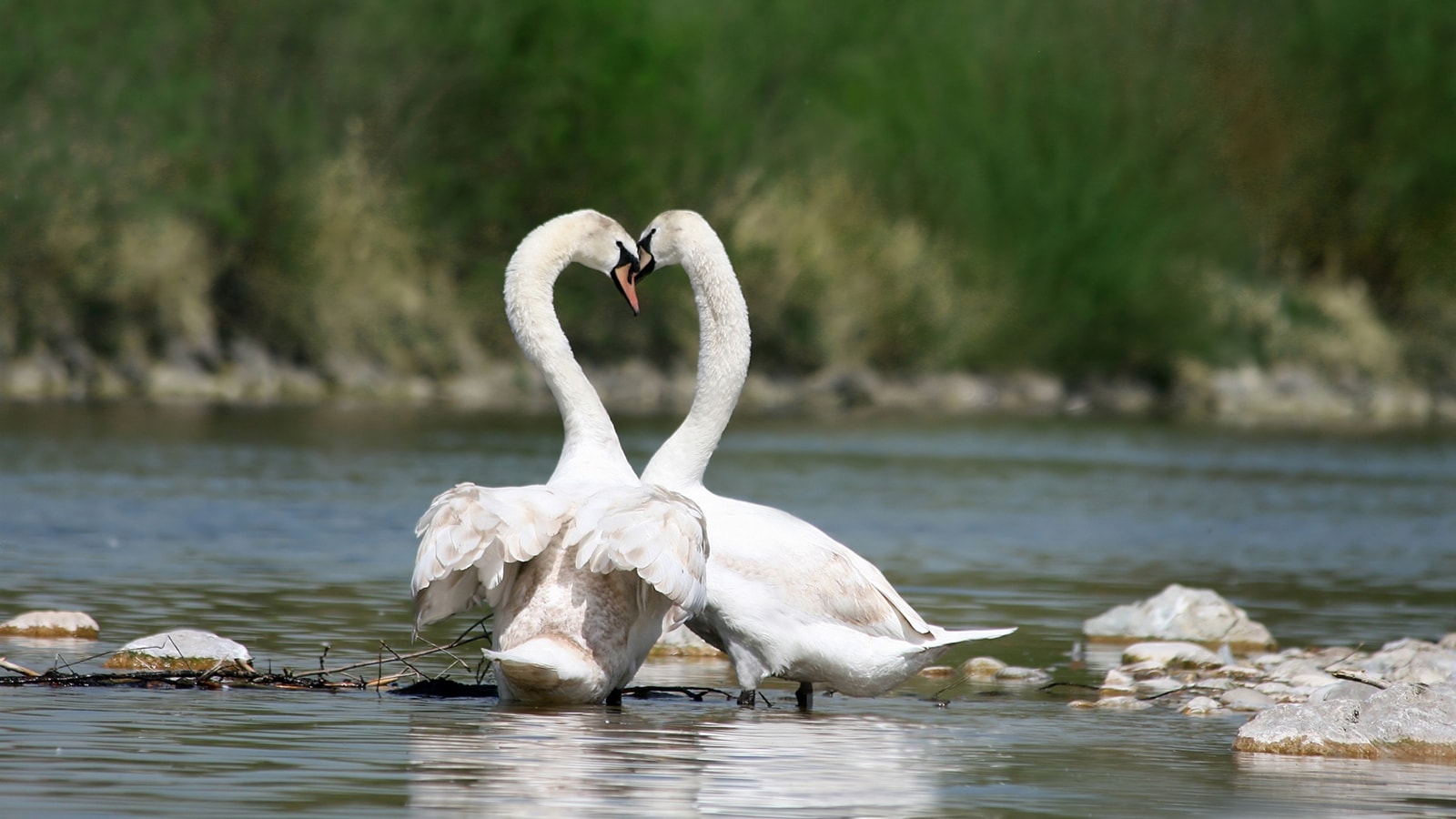
Some animals, like wolves and swans, choose to stay with one partner for their whole lives.
This isn't always because of love like in humans; it's often about making sure they survive and have babies that survive too.
Wolves live in packs with a mom and dad wolf, and they help each other raise their pups.
Swans build nests together and raise their young.
Gibbons, small apes, also stay together and help defend their space.
Penguins, especially Emperor and Gentoo penguins, stick together in tough places like Antarctica to share the work of raising their babies.
Beavers are another example; they build homes and work together to raise their kits.

Wolves, swans, gibbons, penguins, and beavers are among the species that form lifelong pair bonds.
Monogamy in the animal world is primarily a survival strategy, not necessarily driven by emotion.
Wolves maintain stability in their packs through their monogamous relationships, aiding pup rearing.
Swans build nests and raise offspring together, forming strong pair bonds.
Gibbons reduce group conflict by staying monogamous, which also helps in territory defense and offspring care.
- Who
- Wolves, swans, gibbons, penguins, and beavers.
- What
- Several animal species, including wolves, swans, and penguins, form lifelong pair bonds.
- When
- Not specified in the articles.
- Where
- Wolves, swans, gibbons, penguins, and beavers.
- Why
- Monogamy increases the odds of genetic success and ensures the survival of their young.
- Monogamous Species
- Wolves, swans, gibbons, penguins, beavers
- Primary Motivation
- Survival
- Wolves' Social Structure
- Alpha male and female with offspring
- Gibbons' Family Structure
- Monogamous pair and young
- Penguin Species
- Emperor and Gentoo
- Beaver Lifestyle
- Cooperative