

Archive · 26 Jun 2025
Experts Advocate Early Blood Disorder Screening in Schools
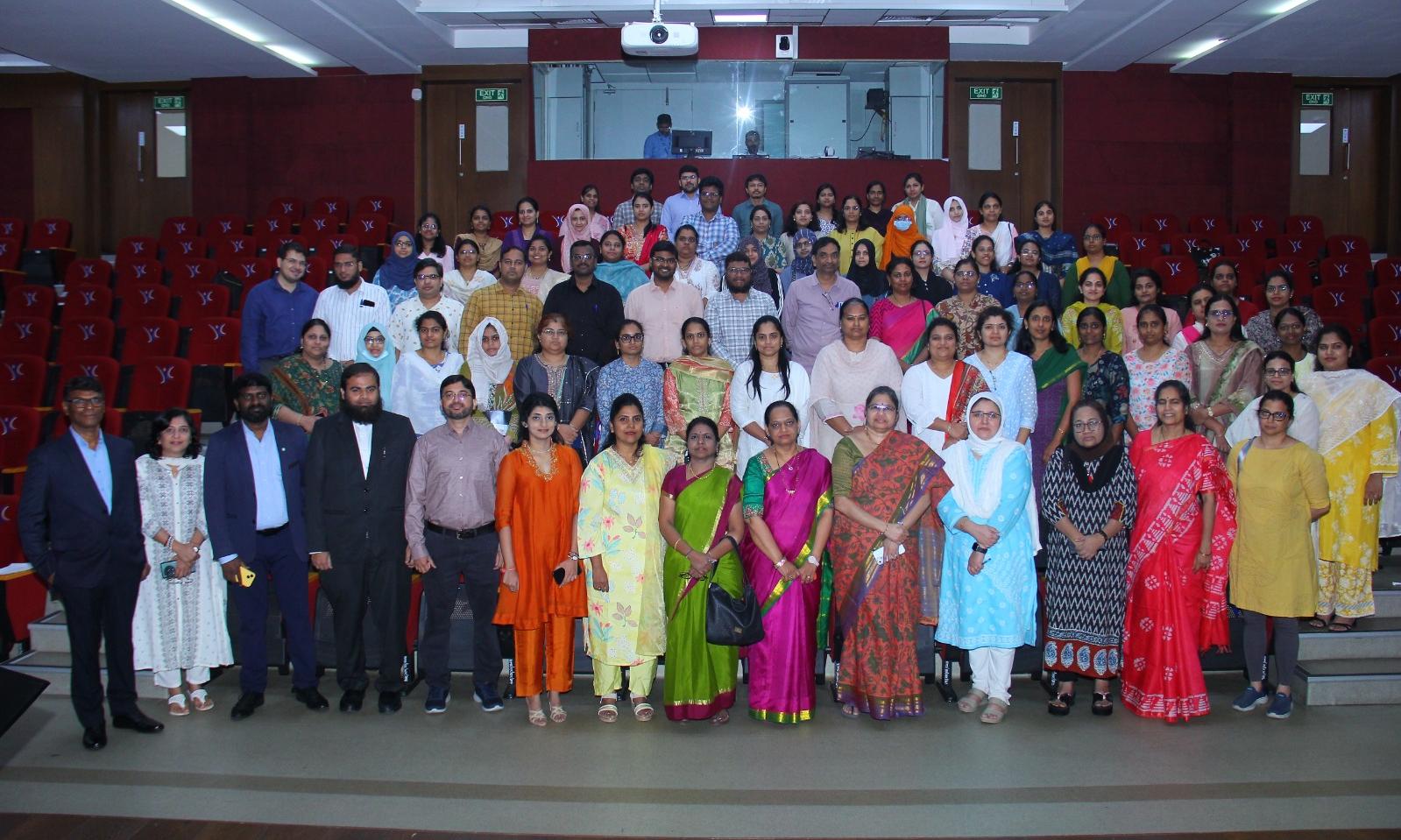
Doctors and experts held a meeting to talk about blood problems.
They said it's important to check kids' blood, especially in grades 3-8, to see if they have low blood levels.
Low blood levels can mean they have a disease like Thalassemia or Sickle Cell Anaemia.
Some places already check kids, and a lot of them might have these problems.
The doctors want all schools to check kids' blood so they can find and help kids with these problems early.
They also talked about using special tools to find these diseases and how important it is for doctors to know how to read the test results.

Experts at a KIMS conference highlighted the importance of early blood disorder detection.
Complete blood screening of children in grades 3-8 can help detect hemoglobin levels.
Low hemoglobin can indicate conditions like Thalassemia or Sickle Cell Anaemia.
Experts recommend mandatory blood testing in all schools for early diagnosis.
Advanced diagnostic tools like HPLC are available, but require specialized expertise.
- Who
- Experts including Dr. Narendra Kumar Thota, Dr. Chandana Mareddy, Dr. Pavani Upendram, and Dr. M. Noorjahan.
- What
- Experts discussed the need for early detection of blood disorders and the importance of blood screening in schools.
- When
- Not explicitly stated, but the discussions happened at a KIMS conference.
- Where
- At KIMS Hospitals and the focus is on the need for screenings in schools.
- Why
- To enable early diagnosis and timely treatment of blood disorders like Thalassemia and Sickle Cell Anaemia.
- Event
- KIMS Conference
- Key Topic
- Early blood disorder detection
- Target group for screening
- Children in grades 3-8
- Diagnostic tools
- HPLC (High-Performance Liquid Chromatography)
- Recommended Action
- Mandatory blood testing in schools