Archive · 17 Dec 2025
Asian FMCG Brands Face Governance Gaps in MENA Expansion
Asian companies that make everyday products like food and household items are growing quickly and moving into new markets in the Middle East and North Africa.
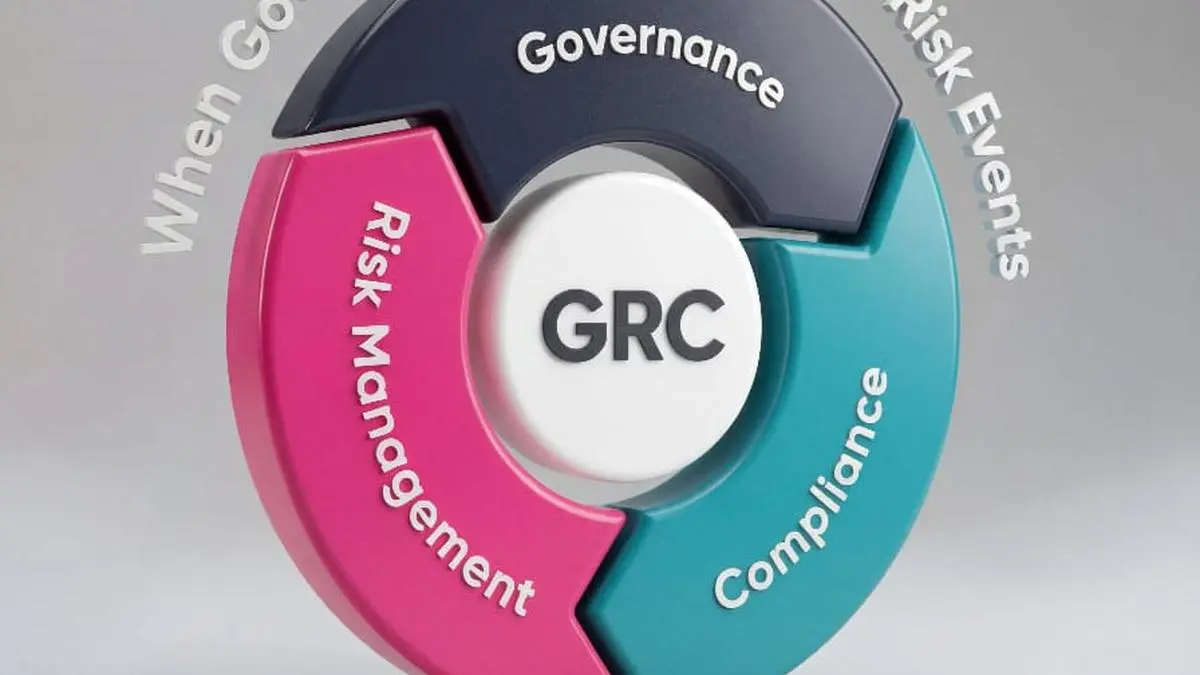
However, they are facing problems because their rules and management systems aren't keeping up with their growth.
This is causing confusion and mistakes, like products ending up in places they shouldn't be.
It's also leading to issues with taxes, labels, and following the rules, which can hurt the companies' reputations.
Experts say these companies need to improve their management to avoid bigger problems in the future.

Asian FMCG brands expanding into MENA face governance and coordination challenges.
Inconsistencies between headquarters and regional subsidiaries lead to operational and reputational risks.
Multiple subsidiaries acting on differing interpretations of central directives cause governance misalignment.
Issues include non-compliance with labeling norms, tax/excise disputes, and contradictory statements to authorities.
Investors expect unified reporting lines and consistent compliance standards for seamless cross-border governance.
- Who
- Asian FMCG brands, particularly Indian companies, expanding into the MENA region
- What
- Governance gaps and misalignment between headquarters and regional subsidiaries
- When
- Ongoing, with recent incidents highlighting the issue
- Where
- Middle East and North Africa (MENA) region, particularly the GCC
- Why
- Rapid expansion and transition from founder-led cultures to institutional governance models
- Region
- Middle East and North Africa (MENA)
- Industry
- Fast-Moving Consumer Goods (FMCG)
- Key Issue
- Governance misalignment
- Impact
- Operational, reputational, and regulatory risks
- Investor Expectation
- Unified reporting lines, consistent compliance standards
- GCC Online Retail Share
- More than 16% by 2025
- Northern Africa Consumer Spending (2025)
- $24 billion
- Total Consumer Spending (2014-2029)
- $1,121.23 billion