10 months ago
Far-Right German AfD MPs Visit Russia Amid Scrutiny Over Moscow Ties

Some politicians in Germany from a far-right party called the AfD are going to visit Russia.
They say they want to talk to Russians to help keep peace and talk about business, even though Germany and other Western countries are upset with Russia because of the war in Ukraine.
Other politicians and Germany's intelligence agency are worried about this visit.
They think the AfD might be too close to Russia and could be secretly sharing important military information.
The AfD party says these accusations are not true and that they are just doing their job as an opposition party to question the government's decisions.
They also say they are not meeting with top Russian government officials, but rather discussing economic topics with a group called BRICS, which includes countries like China and India.
This visit is happening at a time when German intelligence believes Russia is trying to influence German politics.

Two lawmakers from Germany's far-right AfD party are traveling to Russia next week.
They will attend a summit on cooperation between Europe and the BRICS group in Sochi.
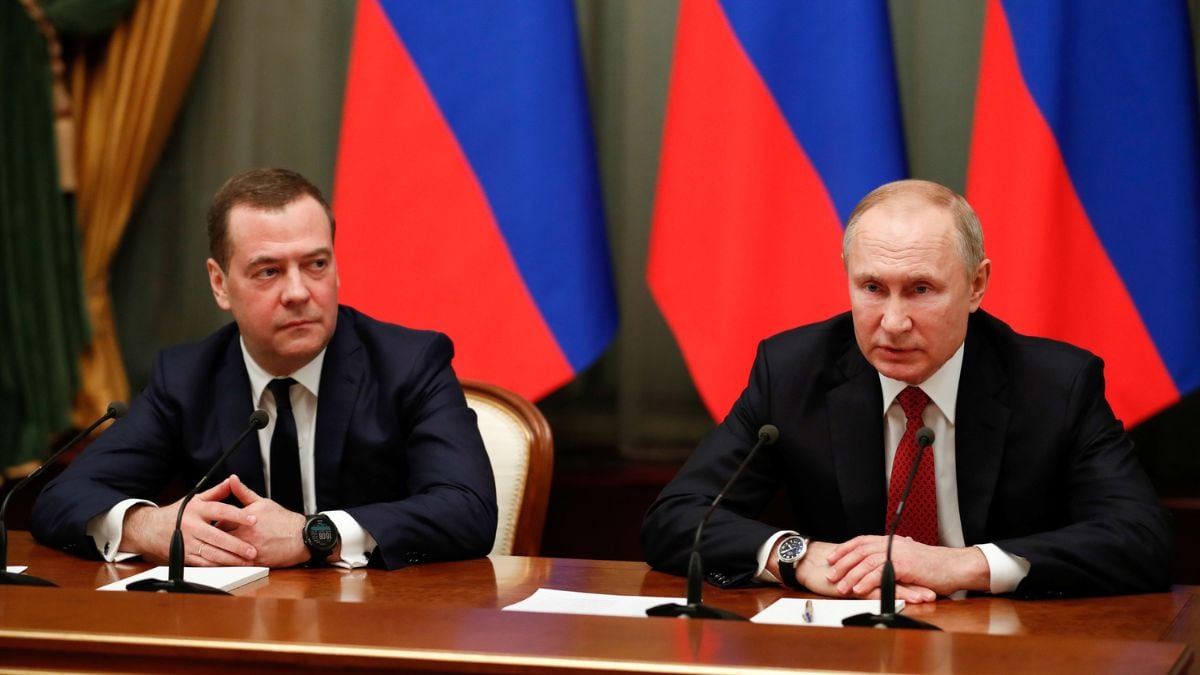
One lawmaker is expected to meet with former Russian President Dmitry Medvedev.
Critics accuse the AfD of maintaining Kremlin ties and potentially passing sensitive military information to Russia.
The AfD states the visit aims to keep dialogue open and conduct informal peace diplomacy, while denying accusations of wrongdoing.
- Who
- Two lawmakers from the far-right Alternative for Germany (AfD) party
- What
- Traveling to Russia to attend a summit and meet with former Russian President Dmitry Medvedev, amid scrutiny over the party's ties to the Kremlin and accusations of passing sensitive information.
- Where
- Sochi, Russia
- When
- Next week
- Why
- To keep channels of dialogue open, engage in informal peace diplomacy, and discuss economic issues related to BRICS, according to the AfD. Critics suspect ulterior motives related to intelligence sharing and promoting Russian narratives.
AfD's Stance
Critics' Stance
Purpose of the Visit
AfD's Stance
To keep channels of dialogue open, conduct informal peace diplomacy, and discuss economic issues within the BRICS context. It is the opposition's duty to critically examine government policy and hold those in power accountable.
Critics' Stance
The visit is viewed with suspicion, with concerns that the party may be passing sensitive military information to Moscow and attempting to promote Russian narratives while undermining Western democracies.
Allegations of Spying/Treason
AfD's Stance
Deputy AfD parliamentary leader Stefan Keuter defends the party's actions, stating they aim for transparency and accountability, and calls accusations of treason a 'smoke grenade'.
Critics' Stance
Senior German politicians and domestic intelligence services express concern that the AfD could be supplying Moscow with sensitive information through parliamentary questions and other means, given Russia's increased espionage activities.
Party's Classification and Reputation
AfD's Stance
The AfD rejects accusations of cooperation with Russia and denies wrongdoing in investigations into alleged foreign payments.
Critics' Stance
The AfD is classified as 'extremist' and a threat to democracy by Germany's domestic intelligence agency, and faces ongoing scrutiny over its ties to Russia and alleged foreign payments.
Key facts
- Traveling AfD Lawmakers
- Two, including Rainer Rothfuss
- Destination
- Sochi, Russia
- Event Attending
- Summit on cooperation between Europe and BRICS
- Other Engagements
- Meeting with former Russian President Dmitry Medvedev (now deputy chairman of Russia’s Security Council)
- German Intelligence Classification of AfD
- Extremist, threat to democracy
- Ongoing Investigations
- Prosecutors opened investigations into two AfD lawmakers (Petr Bystron and Maximilian Krah) in 2024 over alleged foreign payments.
Quotes

Rainer Rothfuss
one of the two parliamentarians traveling from the AfD
“I consider it my personal mission to use every legitimate democratic means of open debate to help prevent any escalation of the conflict with Russia into NATO territory and into Germany itself. I shy away from neither effort nor public criticism of this form of informal peace diplomacy.”
 theprint.in
“It’s about economic issues in the BRICS context — not a meeting with government officials from Moscow.”
theprint.in
Stefan Keuter
Deputy AfD parliamentary leader
“to critically examine … whether government policy really strengthens our country’s security.”
theprint.in
“a smoke grenade.”
theprint.in
Head of Germany’s domestic intelligence service
The head of Germany’s domestic intelligence service
“to present Russian narratives in the end as more articulate and ultimately more acceptable, and to call Western democracies into question.”
theprint.in
Thomas Roewekamp
chair of the Bundestag defence committee and member of Chancellor Friedrich Merz’s conservatives
“information that would be of great value to foreign powers, not least to Russia, which has been continuously increasing its espionage activities and hybrid attacks against Germany.”
theprint.in