

Archive · 28 May 2025
Climate Change Shortens Growing Seasons in Western Ghats Forests
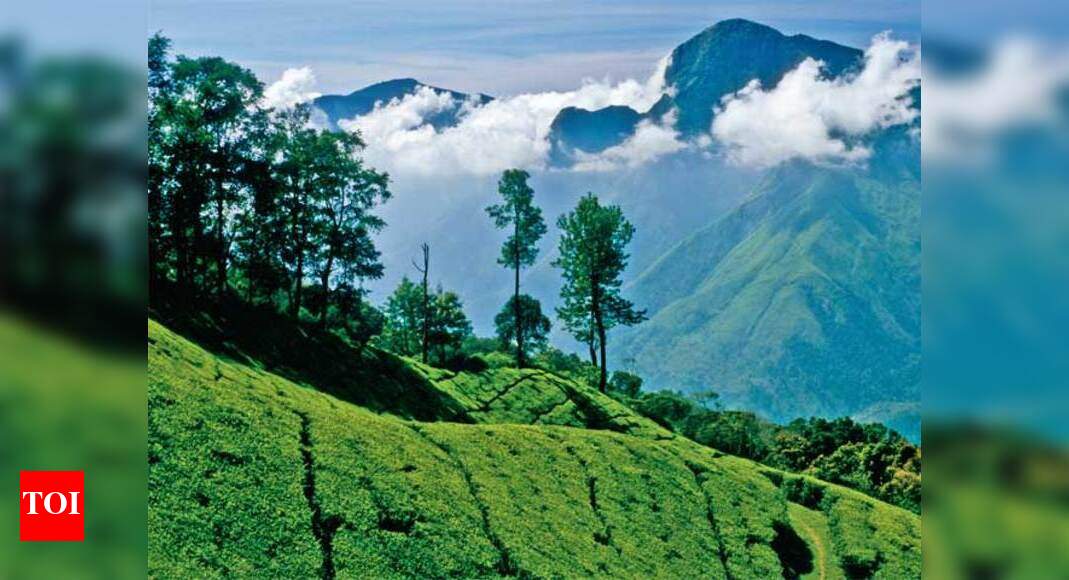
Scientists studied how climate change affects forests in India's Western Ghats.
They found that the growing season for some forests is getting shorter.
This is because leaves are appearing later and falling earlier.
The study used special cameras and satellite data to watch the trees.
The changes are more noticeable in forests with trees that don't lose their leaves completely.
These changes can affect how much carbon the forests store and increase the risk of forest fires.
The researchers suggest using local tree species to help the forests adapt.

A study measured the impact of climate change on vegetation in the central Western Ghats.
Growing seasons in semi-evergreen forests shortened by 17 days over a decade.
Leaf flushing was delayed by 7 days, while leaf fall advanced by 13 days.
Semi-evergreen and moist deciduous forests are most vulnerable.
The research used satellite and remote sensing data.
- Who
- Researchers, including Karun Jose and Nasla Najeeb, conducted the study.
- What
- Climate change is shortening growing seasons in the central Western Ghats.
- When
- Over a 10-year period.
- Where
- Central Western Ghats, particularly in the Goa region, India.
- Why
- To understand the impact of climate change on vegetation and assess fire risk.
- Location
- Central Western Ghats, India
- Study Duration
- 10 years
- Season Shortening
- 17 days
- Delayed Leaf Flushing
- 7 days
- Advanced Leaf Fall
- 13 days
- Most Vulnerable Forest Type
- Semi-evergreen forests