1 week ago
Jharkhand Exam Cancellation Raises Questions About Collective Punishment
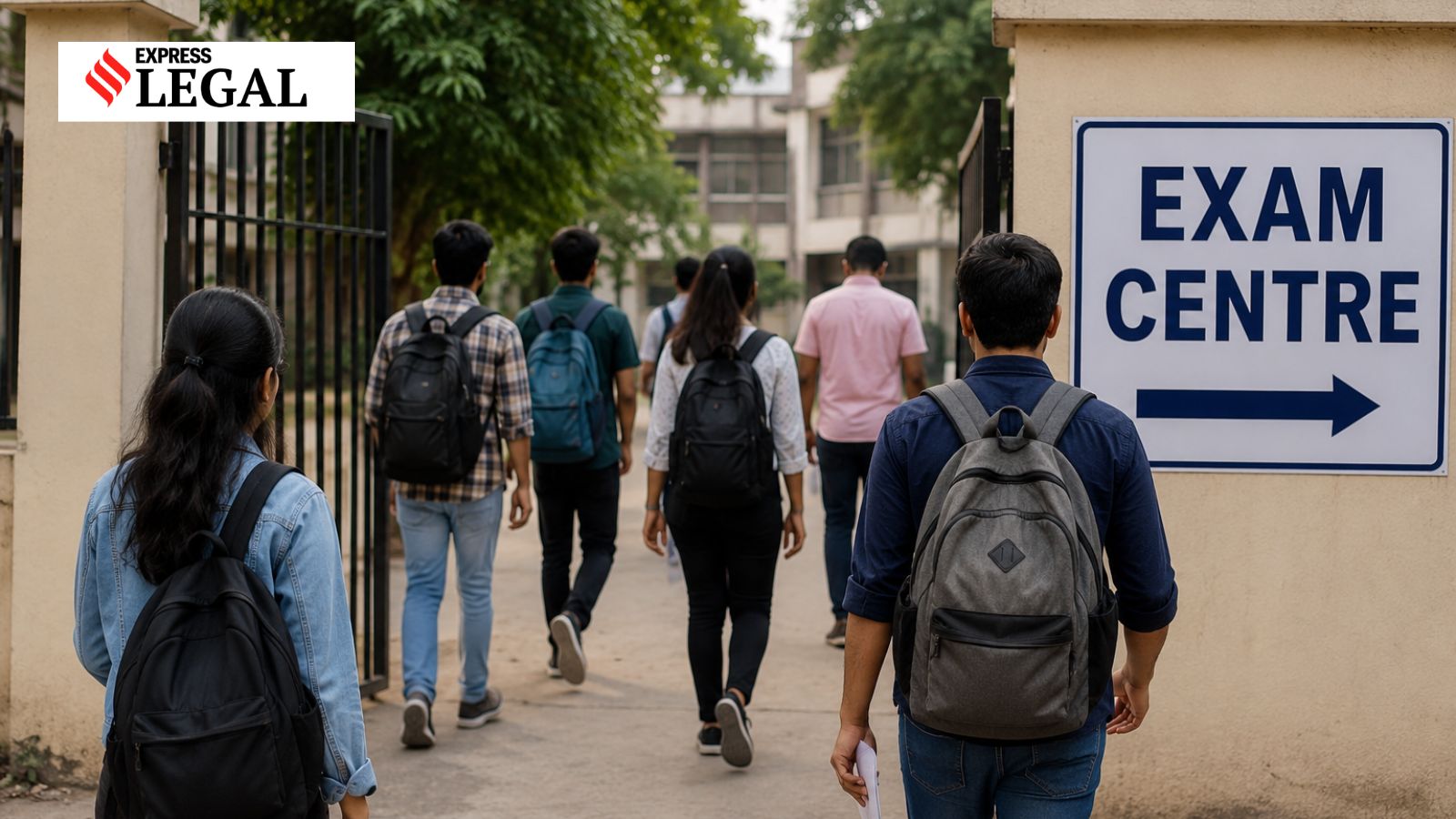
Jharkhand cancelled several government recruitment exams after people protested alleged cheating and other problems.
One cancelled exam had already led to hundreds of people receiving jobs and starting work.
The Jharkhand High Court temporarily stopped the government from cancelling those appointments.
The court also asked the government to explain why cancellation was necessary.
The government may cancel a recruitment process if serious wrongdoing affected the whole exam.
But the article says it should first find out who cheated and how widely the problem spread.
If only some people or one part of the exam was affected, cancelling everyone’s appointment may be unfair.
People who have already joined government service have stronger protections than people who are merely on a waiting list.
The article supports investigation but says the government should use the smallest fair solution rather than punish all candidates together.

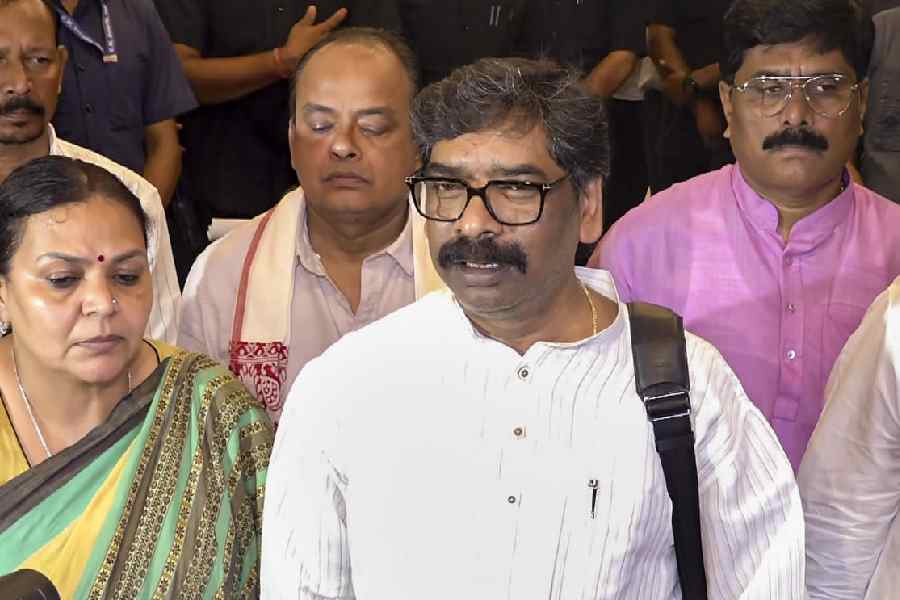
The Hemant Soren government cancelled several recruitment examinations, including Jharkhand’s 11th to 13th Combined Civil Services Examination.
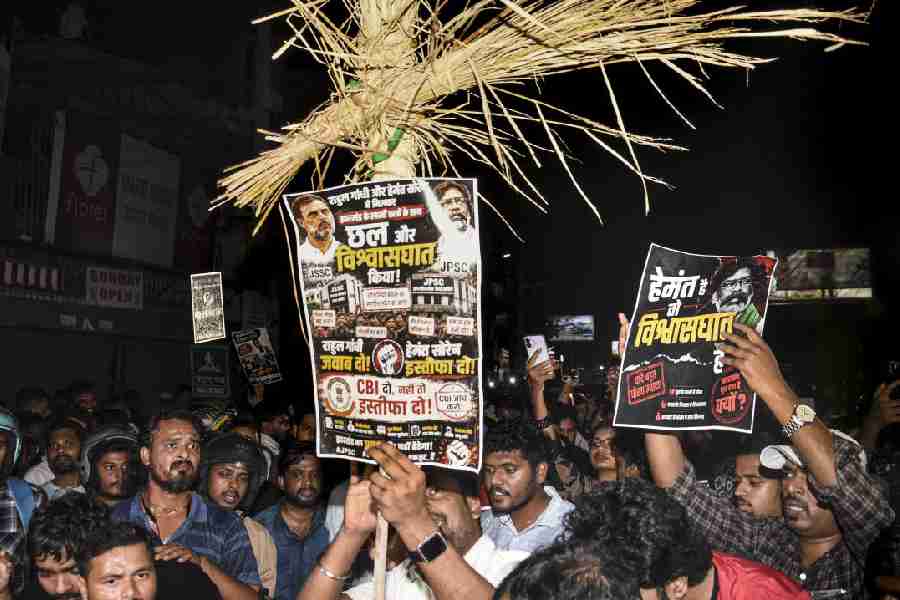
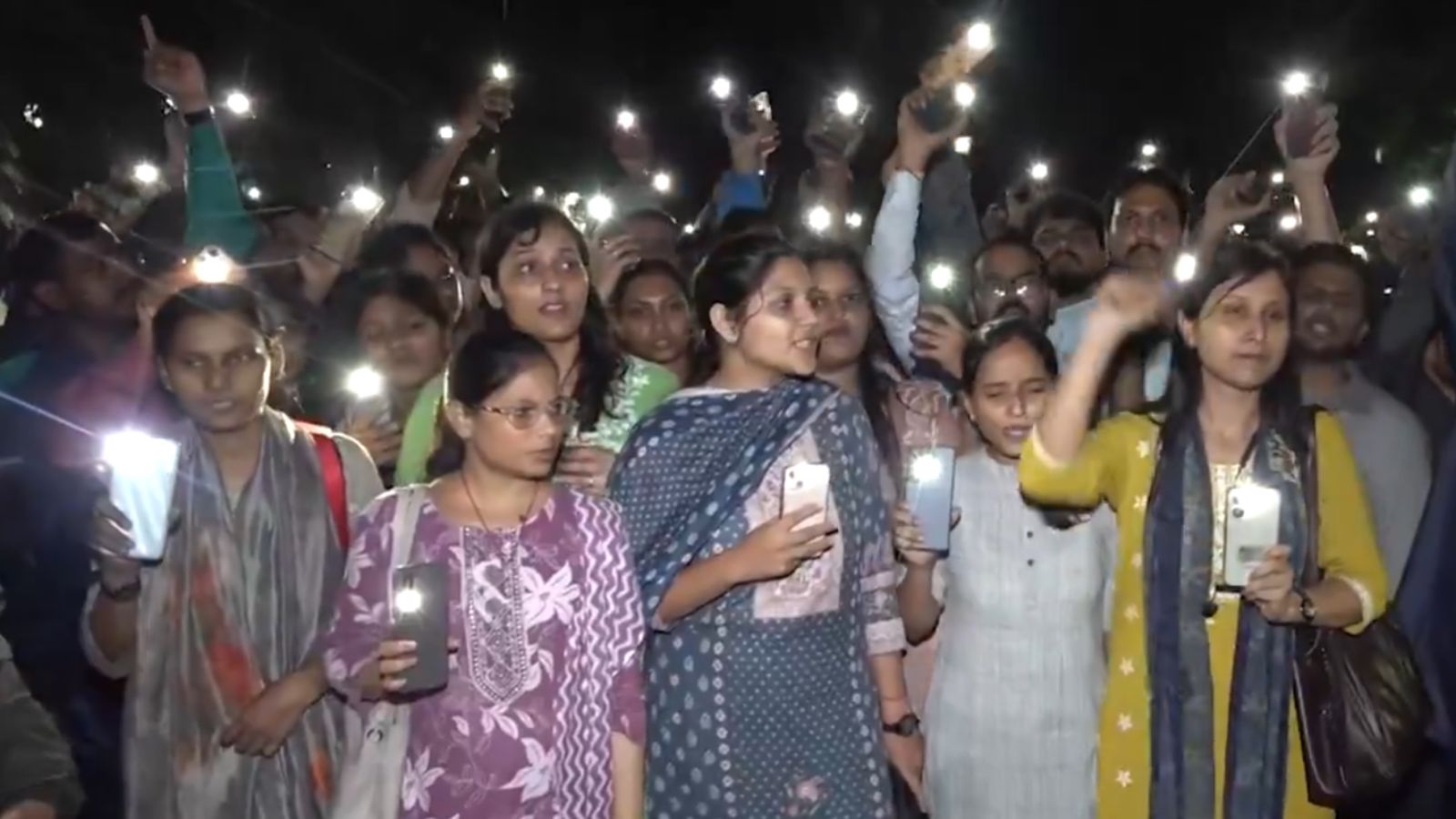
The decision followed sustained protests alleging irregularities in public recruitment.
Hundreds of candidates had already been appointed through the JPSC examination and had begun serving the state.
The Jharkhand High Court stayed cancellation of those appointments and asked the government to justify its action.
The article argues that wrongdoing should be investigated and attributed individually before appointments are cancelled wholesale.
- Who
- The Hemant Soren government, JPSC candidates and appointees, protesters, the Jharkhand High Court and the Supreme Court are central to the discussion.
- What
- The government cancelled several recruitment examinations, including the 11th to 13th Combined Civil Services Examination; the High Court stayed cancellation of appointments from that examination.
- Where
- Jharkhand, including proceedings before the Jharkhand High Court.
- When
- The cancellations followed sustained protests; the article does not provide specific dates.
- Why
- The government responded to alleged irregularities in public recruitment, while the article argues that the state must establish the extent and source of wrongdoing before imposing collective consequences.
Government and Recruitment Integrity
Candidates and Proportionality
Need for cancellation
Government and Recruitment Integrity
The government may argue that serious irregularities require cancellation to protect fair public employment and restore confidence in recruitment.
Candidates and Proportionality
The article argues that cancellation is justified only when the process was fundamentally or irretrievably compromised, with evidence explaining why narrower remedies would not work.
Treatment of candidates
Government and Recruitment Integrity
The state may contend that a flawed selection process cannot support appointments, even if the extent of individual involvement is unclear.
Candidates and Proportionality
Candidates who were appointed and began serving should not automatically lose their status for wrongdoing not shown to be theirs; identifiable beneficiaries should be treated separately.
Role of protests and allegations
Government and Recruitment Integrity
Protests alleging recruitment failures can create pressure for an immediate government response and investigation.
Candidates and Proportionality
Protests may trigger scrutiny but cannot substitute for an inquiry establishing who committed misconduct and how it affected the selection process.
Key facts
- Government action
- The Hemant Soren government cancelled a wide set of recruitment examinations in Jharkhand.
- Affected examination
- The cancellations included the 11th to 13th Combined Civil Services Examination conducted by the JPSC.
- Appointments
- Hundreds of candidates had already been appointed and had begun serving the state.
- Court response
- The Jharkhand High Court stayed cancellation of the appointments and asked the government to justify its action.
- Legal principle
- The article says proportionality requires the state to consider whether a less destructive remedy is available.
- Relevant precedent
- The article cites Shankarsan Dash v Union of India and Radhey Shyam Yadav v State of Uttar Pradesh.
- Core dispute
- Whether alleged recruitment irregularities justify cancelling appointments for all candidates or require individual investigation.
Quotes

Supreme Court
India’s highest court, quoted from Motilal Padampat Sugar Mills
“The government should be held to a high standard of rectangular rectitude while dealing with its citizens”
 indianexpress.com
Sources
Related news

Jharkhand High Court Stays JPSC, JSSC Exam Cancellation Orders
Jharkhand High Court Stays JPSC Exam Appointment Cancellations

Jharkhand Exam Cancellation Puts Appointments and Livelihoods at Risk

Jharkhand Cancels 44 Recruitment Exams Over Alleged Irregularities

Petitions Challenge Jharkhand Cancellation of 22 Recruitment Exams
Jharkhand JSSC-CGL Exam Cancellation Leaves 2,000 Successful Candidates in Limbo
Jharkhand High Court Orders CID Probe into Teacher Recruitment Scam

Jharkhand High Court Rebukes Government Over Police Station CCTV Delay
Jharkhand High Court Transfers Exam Cancellation Plea

Jharkhand CID Arrests Ninth Suspect in JSSC-CGL Irregularities Case
Jharkhand High Court Transfers Missing Girl Case to CBI