

Archive · 25 Jul 2026
Japanese PM's Sleep Habits Spark Health Debate
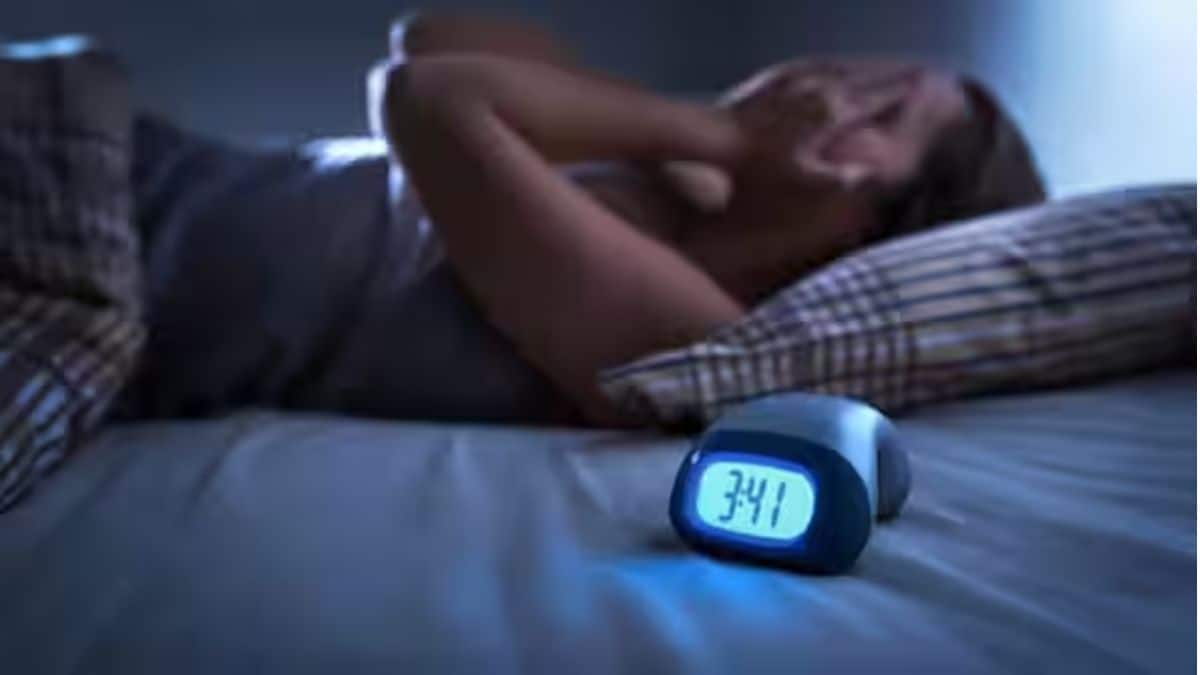
Japanese PM Sanae Takaichi has sparked a debate by claiming she sleeps only three hours or less each night.
While some people believe they can function with very little sleep, medical experts warn that chronic sleep deprivation can lead to serious health problems like heart disease, diabetes, and cognitive decline.
Dr. Prashant Saxena, a sleep specialist, explains that most adults need seven to nine hours of sleep for optimal health.
He also debunks the myth that the body can adapt to less sleep, emphasizing that performance declines even if people feel they are functioning normally.
The debate highlights the importance of adequate sleep for overall well-being and the risks associated with sleep deprivation.

Japanese PM Sanae Takaichi claims she sleeps three hours or less per night.
Medical experts recommend seven to nine hours of sleep for adults.
Chronic sleep deprivation is linked to heart disease, diabetes, obesity, depression, and cognitive decline.
Only less than 1% of people have a genetic mutation allowing them to function with very little sleep.
Catch-up sleep on weekends does not fully reverse the health impacts of sleep deprivation.
- Who
- Japanese PM Sanae Takaichi and medical experts like Dr. Prashant Saxena
- What
- Debate on the necessity and health impacts of sleep
- When
- Ongoing, with recent focus on Takaichi's sleep habits
- Where
- Globally, with specific mention of Japan and medical practices in India
- Why
- To understand the health implications of sleep deprivation and the feasibility of functioning with minimal sleep
Sleep Minimalists
Sleep Advocates
Sleep Requirements
Sleep Minimalists
Some individuals, like Japanese PM Sanae Takaichi, claim they can function on three hours or less of sleep per night.
Sleep Advocates
Medical experts emphasize that most adults need seven to nine hours of sleep for optimal health, and chronic sleep deprivation can lead to serious health issues.
Adaptation to Sleep Deprivation
Sleep Minimalists
Some believe the body can adapt to reduced sleep over time, allowing individuals to function normally with less sleep.
Sleep Advocates
Medical research shows that the body does not truly adapt to sleep deprivation; performance declines even if the perception of tiredness plateaus.
Catch-Up Sleep
Sleep Minimalists
Some people believe that sleeping in on weekends can fully repay sleep debt accumulated during the week.
Sleep Advocates
Experts argue that catch-up sleep does not fully reverse the metabolic and cardiovascular strain caused by sleep deprivation and can lead to social jet lag.
- Recommended Sleep Duration for Adults
- 7-9 hours
- Sleep Duration for Teenagers
- 8-10 hours
- Risks of Chronic Sleep Deprivation
- Heart disease, diabetes, obesity, depression, cognitive decline
- Percentage of People with Genetic Mutation for Short Sleep
- Less than 1%
- Increased Risk of Heart Disease for Habitual Short Sleepers
- Around 45%