

Archive · 11 Aug 2026
Trump administration pulls NOAA support for Arctic Report Card
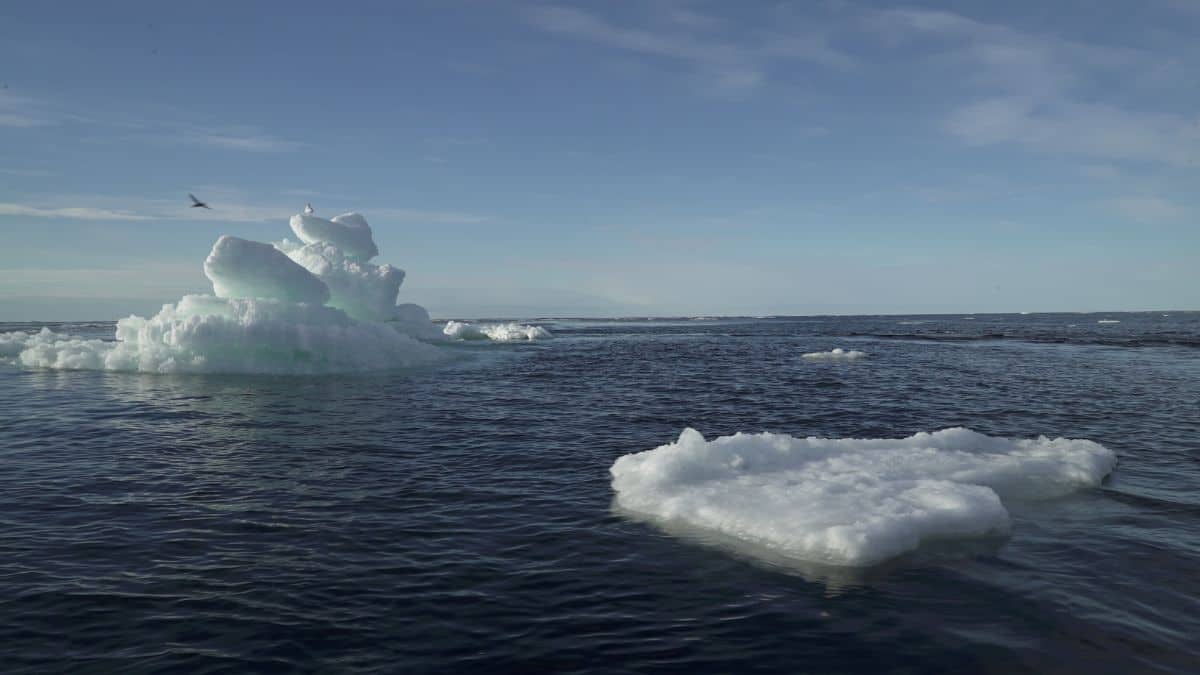
The Arctic is a very cold place at the very top of the Earth.
Every year, scientists make a special report about what is happening there, like how much ice is melting and how animals and people are doing.
This report is called the Arctic Report Card.
The government's weather and ocean agency, called NOAA, used to help put the report together.
Now, the Trump administration has decided that NOAA will stop helping with it.
Scientists who work on the report were told about this on a Monday afternoon, but they were not told why.
The report will still be made, but it will have to go ahead without the government's coordination.
The report matters because the Arctic is heating up about three times faster than the rest of the world.
The government says the information it collected will still be available to everyone.
This change is part of a bigger move by the administration to stop many different climate-related projects.

The Trump administration is ending NOAA's coordination of the annual Arctic Report Card after roughly two decades of federal support.
NOAA spokesperson Kim Doster confirmed the agency will not facilitate the 2026 edition, though data it historically contributed will remain publicly available.
Scientists working on the report were notified Monday afternoon but were given no explanation for the immediate withdrawal.
The peer-reviewed report, typically released each December, tracks environmental, ecological and social changes across the Arctic, which is warming at about three times the rate of the rest of the globe.
The decision is part of a broader administration rollback that includes halting climate.gov updates, stopping the billion-dollar disasters report, and dismissing and replacing National Climate Assessment authors.
- Who
- The Trump administration and NOAA (National Oceanic and Atmospheric Administration), which coordinates the annual Arctic Report Card with its lead and chapter authors.
- What
- Withdrawal of NOAA's coordination, publication support and logistics for the 2026 Arctic Report Card, ending two decades of federal backing for the assessment.
- When
- Scientists were notified on Monday afternoon, with no reason given; the move affects the 2026 edition that is already being prepared.
- Where
- United States, where NOAA made the decision; the report covers the Arctic region.
- Why
- NOAA did not explain the immediate decision, but it comes as the Trump administration continues a broader rollback of climate-related programmes and access to government climate information.
Supporters of federal climate assessments
Administration's climate rollback
Federal support for the Arctic Report Card
Supporters of federal climate assessments
Researchers, educators and policymakers rely on the peer-reviewed report for an annual snapshot of rapid Arctic change, and it has influenced national security policy and been cited by NATO in the past.
Administration's climate rollback
The Trump administration is withdrawing NOAA's coordination of the report as part of a broader rollback of climate programmes and government climate information.
Who should own official climate science
Supporters of federal climate assessments
The authors and NOAA experts have produced the report with broad scientific acceptance, and NOAA says its historical data will continue to be collected and made publicly available.
Administration's climate rollback
The administration dismissed all National Climate Assessment authors and plans to restart with a new group, some of whom have questioned or rejected widely accepted findings on human-caused climate change.
- Report
- Arctic Report Card
- Affected edition
- 2026 edition, the 21st, already in preparation
- Federal support ending
- NOAA coordination and publication support after ~20 years
- NOAA spokesperson
- Kim Doster
- Release schedule
- Annual, typically each December
- Publication type
- Peer-reviewed
- Arctic warming rate
- About three times the rate of the rest of the globe
- Other affected programmes
- climate.gov updates, billion-dollar disasters report, National Climate Assessment authors