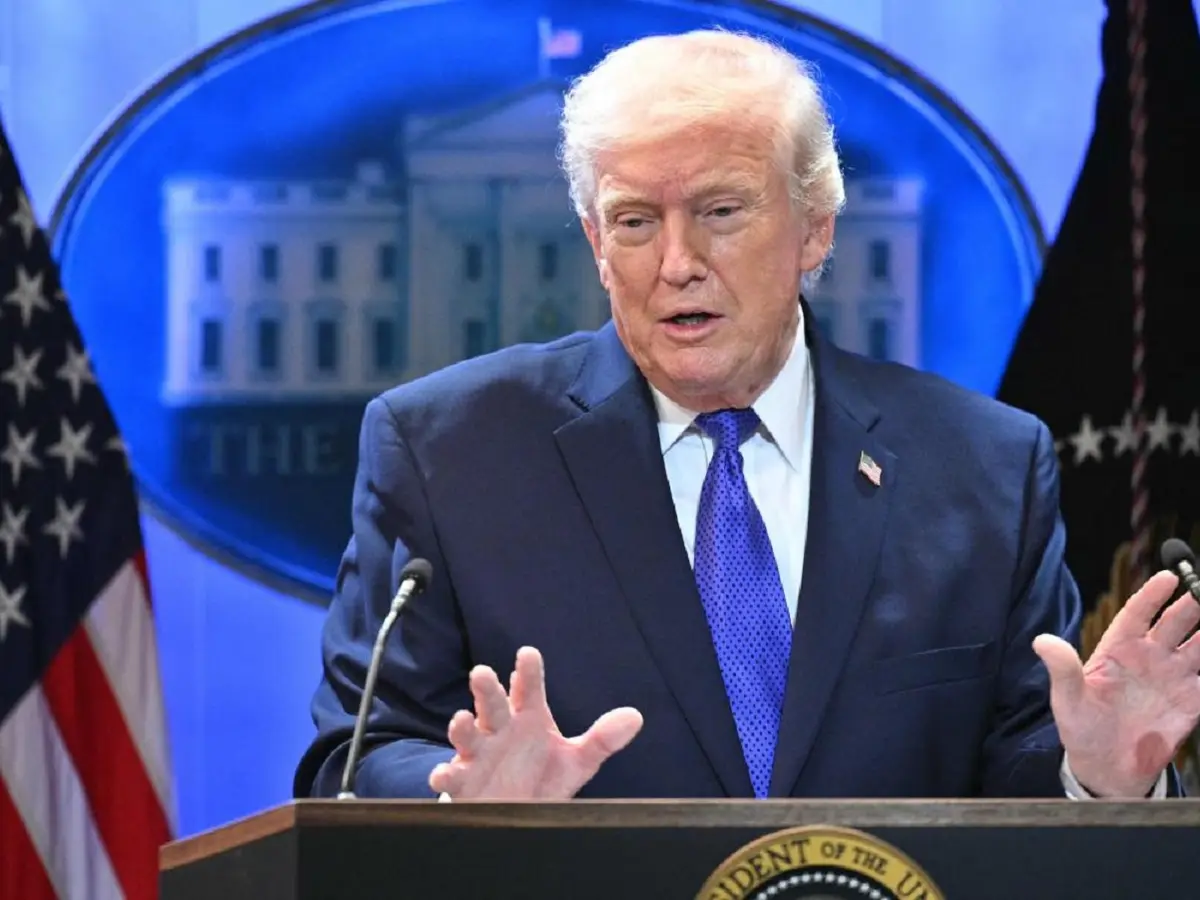
2 weeks ago
Russian General Warns Escalation Could Threaten Israel’s Existence

A Russian general warned that the fighting in West Asia could spread even more.
He said this might eventually threaten Israel’s existence as a country.
He also accused Israel of trying to bring the United States and NATO into the conflict.
The reports did not include a response from Israel to those accusations.
The United States and Iran also disagree about whether negotiations should continue.
Donald Trump reportedly said talks should wait until Iran is ready to make a deal.
Trump said a naval blockade was still active, even though the Strait of Hormuz was open.
Iran’s parliament speaker said stronger pressure would not make Iran accept extra demands.

Russian Lieutenant General Apti Alaudinov warned that further escalation in West Asia could lead to Israel ceasing to exist as a state.
Alaudinov accused Israel of seeking to widen the conflict and involve the United States and NATO.
Donald Trump reportedly told his negotiating team to pause talks with Iran until Tehran is ready to make a deal.
Trump said the naval blockade remained in force while the Strait of Hormuz was open and operating.
Iranian Parliament Speaker Mohammad Bagher Ghalibaf said greater US economic or military pressure would not force Iran into additional concessions.
- Who
- Lieutenant General Apti Alaudinov, Israel, the United States, Iran, NATO, Donald Trump, and Mohammad Bagher Ghalibaf are central to the report.
- What
- Alaudinov warned that continued escalation could threaten Israel’s existence, while US-Iran tensions continued over negotiations, pressure, and the Strait of Hormuz.
- Where
- West Asia, including the US-Iran confrontation and the Strait of Hormuz.
- When
- The remarks came amid escalating hostilities in West Asia; Trump’s statement about the Strait of Hormuz was made earlier on Tuesday.
- Why
- Alaudinov said Israel was trying to widen the conflict, while Washington and Tehran remained divided over negotiations and pressure.
Escalation and pressure
Negotiation and resistance
Responsibility for widening the conflict
Escalation and pressure
Alaudinov said Israel was seeking to intensify the conflict and draw the United States and NATO into it, warning that this could ultimately work against Israel.
Negotiation and resistance
The reports provide no Israeli response to Alaudinov’s accusation and do not independently establish Israel’s stated objective.
US-Iran diplomatic strategy
Escalation and pressure
The US position described in the reports was that talks should pause until Iran was ready to make a deal, while Trump maintained that pressure and the naval blockade remained in place.
Negotiation and resistance
Ghalibaf argued that greater economic or military pressure would not make Iran accept additional concessions and urged US leaders to take responsibility for the situation.
Whether talks are taking place
Escalation and pressure
A US official said Washington had engaged in positive talks with Iran and that there was no conflict within the administration’s approach to diplomacy.
Negotiation and resistance
Trump said there were no talks or conversations currently taking place or scheduled with Iran, creating a discrepancy between the official’s account and Trump’s public statement.
Key facts
- Russian official
- Apti Alaudinov was identified as deputy chief of the Russian Armed Forces’ Main Military-Political Department and commander of the Akhmat special forces unit.
- Alaudinov’s warning
- He said the war in the Middle East would escalate and could ultimately lead to Israel ceasing to exist as a state.
- Alleged Israeli objective
- Alaudinov accused Israel of trying to involve the United States and the entire NATO bloc in the confrontation.
- US-Iran talks
- A US official said there had been positive talks with Iran, but Trump decided to wait before proceeding further.
- Trump’s account
- Trump said there were no talks or discussions with Iran and that negotiations would wait until Tehran was ready to make a deal.
- Strait of Hormuz
- Trump said the naval blockade remained in full force while the Strait of Hormuz was open and operating, with naval mines removed or detonated.
- Iranian response
- Mohammad Bagher Ghalibaf said increased US economic or military pressure would not persuade Iran to accept concessions beyond the existing agreement.
Quotes
Lieutenant General Apti Alaudinov
Deputy chief of the Russian Armed Forces’ Main Military‑Political Department
“I believe that is precisely Israel's objective to ramp up the conflict as much as possible and drag both the US and the entire NATO bloc into it.”
 rediff.com
“We must realise that the war in the Middle East will only escape into a further escalation… Israel can ultimately disappear as a state.”
 thehansindia.com

Mohammad Bagher Ghalibaf
Speaker of the Iranian Parliament
“There are no talks or conversations going on, or scheduled, with the Islamic Republic of Iran. The Naval Blockade remains in full force and effect. The Hormuz Strait is open and operating.”
rediff.com
“Americans think squeezing Iran harder will win concessions that were never part of the agreement.”
rediff.com
Sources


Related news
Iran Warns of Severe US Confrontation, Threatens Netanyahu

Iran Warns Israel, US Amid Strait of Hormuz Stalemate
Trump says Iran war 'has to end pretty soon'

Trump Calls Iran a Failed Nation Amid Hormuz Tensions

Khatami urges diplomacy with US, Israel amid Iran war tensions
US-Iran Strikes Escalate as Tehran Warns of New Strategy
Trump Warns of Fresh Iran Strike After Heavy Attack

Trump Says US Could Attack Iran Again at Will

U.S. Treasury Yields Ease as Jobs Data Misses Expectations
Iran Seizes Fuel-Smuggling Vessel in Gulf, Arrests 11 Crew