

Archive · 2 Feb 2026
Jamshedpur: A Tale of Community and Modernity
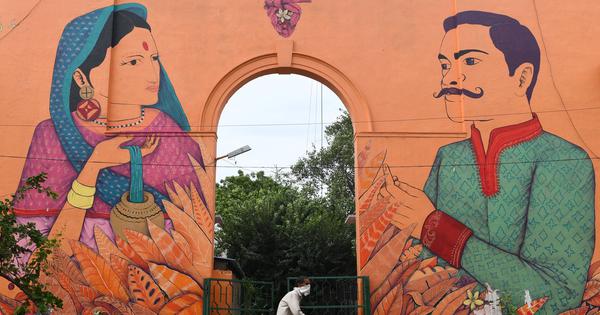
Jamshedpur is a city in India that was built by the Tata Group.
It is known for its strong sense of community and welfare policies for its residents, who are mostly employees of Tata Steel.
The city has a lot of parks and everything is close by, making life less stressful.
People in Jamshedpur help each other and have a sense of belonging.
However, there are also groups based on caste and region, which can sometimes cause tensions.
Young people and women, in particular, feel that the city lacks excitement and opportunities, and many would like to move elsewhere.
The city shows how community and modernity can exist together, but also the challenges that come with it.

Jamshedpur is India's first planned industrial city, founded by Jamsetji Tata in 1908.
The city is characterized by a strong sense of community and welfare policies for Tata Steel employees.
Residents enjoy a sense of comfort and trust due to the company's generous welfare policies, including housing, education, and healthcare.
Jamshedpur lacks avenues for conspicuous consumption, which contributes to a sense of egalitarianism and community ties.
Despite its strong community, the city has caste and regional associations that can create tensions, and many young people and women feel a sense of claustrophobia and lack of opportunities.
- Who
- Residents of Jamshedpur, primarily employees of Tata Steel
- What
- A reflection on the unique community and modernity of Jamshedpur
- When
- During a recent visit by the author
- Where
- Jamshedpur, India
- Why
- To explore the possibility of a different kind of urban modernity
- City
- Jamshedpur
- Founder
- Jamsetji Tata
- Year Founded
- 1908
- Primary Industry
- Steel
- Key Features
- Welfare policies, community ties, limited conspicuous consumption
- Population Characteristic
- Mostly Tata Steel employees
- Notable Landmark
- Jubilee Park
- Cultural Associations
- Linguistic, regional, and caste-based