

Archive · 7 Aug 2025
Consumers Pay the Majority of Collected Taxes, Article Claims
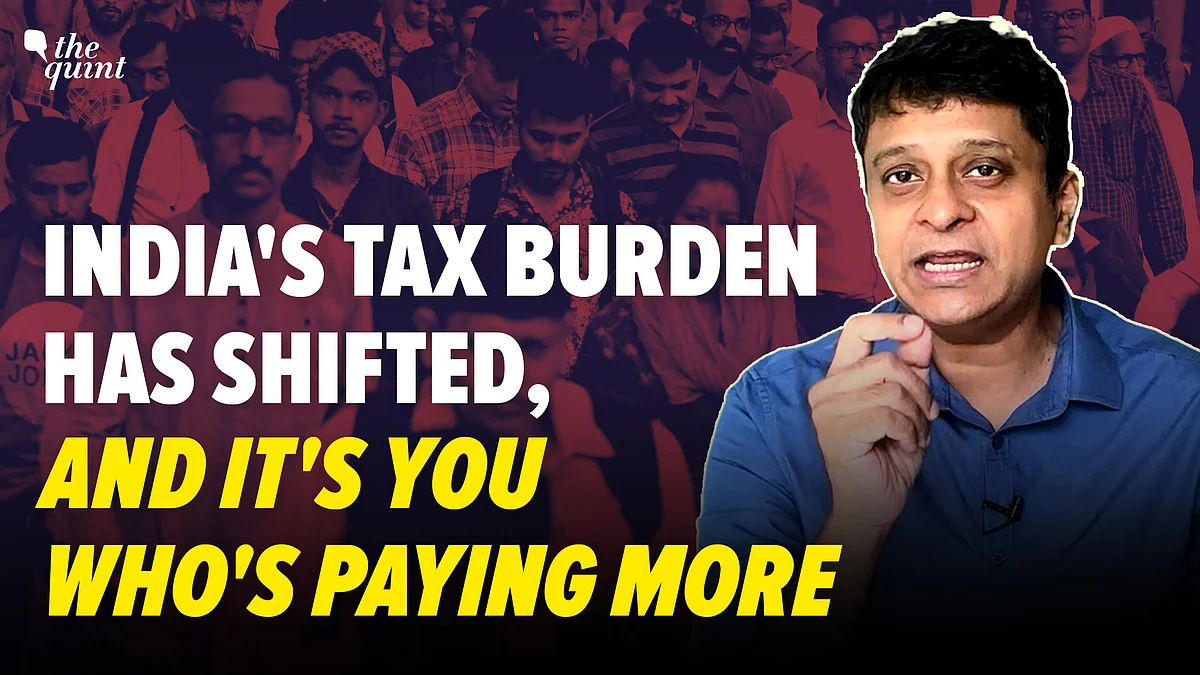
Imagine taxes like money the government uses to pay for things like roads and schools.
There are different kinds of taxes.
Some are direct, like income tax, paid straight from your paycheck.
Others are indirect, added to the price of things you buy.
This article says that consumers end up paying most of these taxes.
When you buy something, the price often includes taxes like GST, excise duty, and customs duty.
Businesses sometimes pay taxes, but they often pass the cost to you in the form of higher prices.
So, when you buy fuel or a foreign car, you are also paying the taxes on them.

Consumers bear a significant portion of tax burdens.
GST is a major indirect tax impacting consumers.
Excise duties, mostly on fuels and alcohol, are consumer-passed.
Customs duties on consumer goods are fully transferred to buyers.
Corporates absorb some customs duties on raw materials.
- Who
- Consumers and corporations are the main actors in the tax system described.
- What
- Consumers bear a large percentage of all taxes collected.
- When
- The article does not mention a specific timeframe.
- Where
- The article does not specify a location.
- Why
- The article explains the distribution of tax burdens between consumers and corporations.
Consumers
Corporations
Tax Burden Distribution
Consumers
Consumers pay the majority of all taxes collected.
Corporations
Corporations and the government absorb portions of collected taxes.
- Main Taxes Mentioned
- GST, Excise Duty, Customs Duty
- Direct Taxes
- Income tax, some capital gains tax
- Indirect Taxes
- GST, excise duty, customs duty
- Excise Duty Items
- Petrol, diesel, other fuel, alcohol
- Customs Duty Impact
- Varies, passed to consumer on most goods.