8 months ago
English Public Sphere in India
In India, English is a language that is closely tied to status and power.
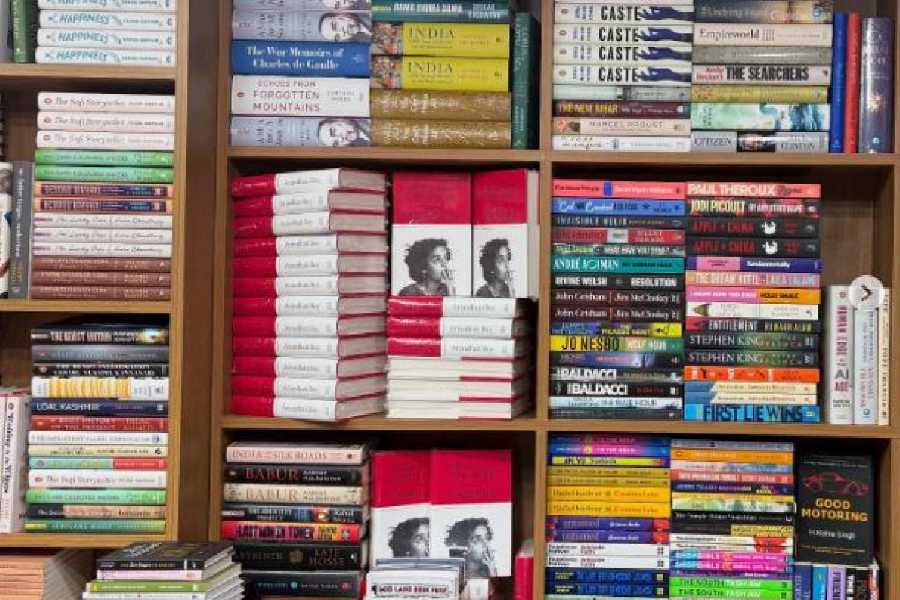
It creates a special area where ideas are shared in media, schools, and bookshops, but this area is mostly for people who speak English.
This group is small compared to the whole country.
Many important books and ideas come from this English-speaking world, but it is often separate from other Indian languages.
Over time, more people, especially younger ones, are only using English and not other Indian languages.
This could make the English-speaking world in India less important, especially as more people get their information from videos and online content in different languages.

English in India is linked to status and power, creating an elite public sphere.
This sphere is small but resilient, addressing a fraction of the population.
Indian publishing houses have created a local English public sphere independent of the West.
There is a growing separation between English and other Indian languages, especially among younger generations.
The exclusivity of the English public sphere risks its relevance in a digital age.
- Who
- The English-speaking elite and the broader Indian population
- What
- The presence and impact of the English public sphere in India
- Where
- India, particularly metropolitan areas like Delhi and Mumbai
- When
- Present day, with historical context
- Why
- Due to the language's association with status, power, and colonial history
Key facts
- Language
- English
- Scope
- Media, education, publishing
- Elite Association
- Status and power
- Public Sphere
- Small fraction of population
- Publishing Houses
- OUP India, Permanent Black, Kali for Women, Seagull Books
- Notable Authors
- Arundhati Roy, Kiran Desai, Geetanjali Shree, Banu Mushtaq
- Trend
- Growing English-only monoculture
- Digital Influence
- Rise of non-English digital content
Sources
Related news

Geetanjali Shree's Hindi fiction wins global acclaim after Booker
Kiran Desai Discusses Nationalism, Immigration, and Palestine
Kiran Desai's 20-Year Journey to 'The Loneliness of Sonia and Sunny'

Exide Powers Kolkata Literary Meet

Kerala Literature Festival 2026 Features Global Icons