

Archive · 23 Jul 2026
Delhi's EV Target Faces Five Key Challenges
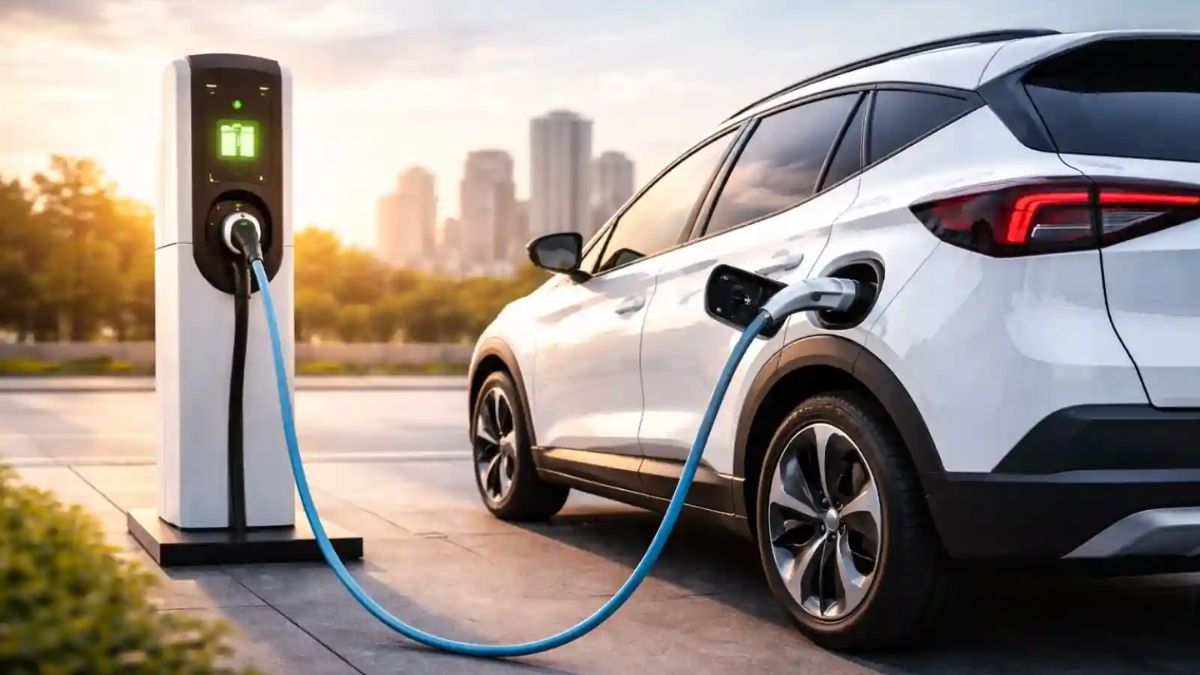
The Delhi government has set a goal to make 30% of the city's vehicles electric by 2030.
They are offering incentives like tax waivers and bonuses to encourage people to buy electric vehicles.
However, there are some big challenges to solve first.
One problem is that many charging stations don't work properly or are always busy.
Another issue is whether Delhi's electricity grid can handle all the new electric vehicles.
There's also the problem of where people will charge their cars at home, since many apartments don't have private parking.
The government is trying to solve these problems, but it will be a big task.

Delhi aims for 30% of vehicles to be electric by 2030.
Incentives include purchase bonuses, tax waivers, and scrapping bonuses.
Charging infrastructure faces reliability and availability issues.
Concerns about Delhi's power grid handling increased EV charging demand.
Residential charging remains a challenge due to lack of private parking.
- Who
- Delhi government led by Chief Minister Rekha Gupta
- What
- Commitment to 30% electric vehicle fleet by 2030
- When
- Policy notified on June 30, effective from July 1 to March 2030
- Where
- Delhi, India
- Why
- To promote electric vehicle adoption and reduce pollution
Optimistic View
Skeptical View
Charger Reliability
Optimistic View
Increased charger density will improve EV ownership experience.
Skeptical View
Strict operational uptime standards are needed to ensure charger functionality.
Residential Charging
Optimistic View
Community charging and battery swapping can address residential charging challenges.
Skeptical View
Parking availability is the core issue that will affect EV adoption.
Dealership Charging Stations
Optimistic View
Dealership charging stations can quickly increase charging availability.
Skeptical View
Dealerships may not be the right long-term locations for public charging.
- Target
- 30% of Delhi's vehicle fleet to be electric by March 2030
- Incentives
- Purchase incentives, road tax waivers, scrapping bonuses
- Charging Infrastructure
- 30,000 public charging points by 2030
- Current EV Charging Load
- 2.6% of peak load
- Projected EV Charging Load
- 375 MW, roughly 4% of peak load
- Policy Notification Date
- June 30
- Policy Effective Date
- July 1
- Policy End Date
- March 2030