

Archive · 12 Nov 2025
US Consumer Sentiment Hits Multi-Year Low Amid Economic Concerns
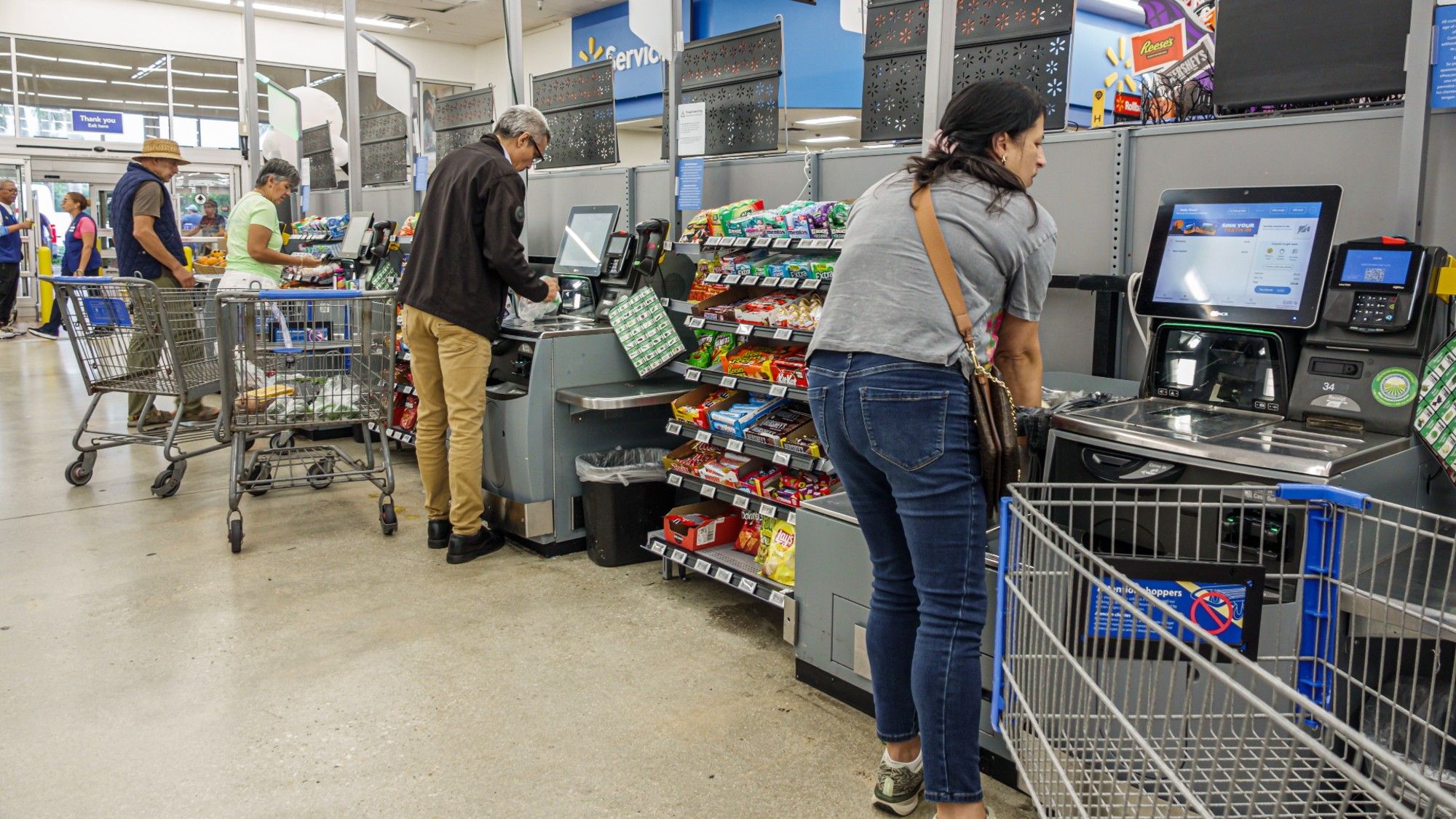
Imagine people were asked how they felt about their money and the economy.
In November, fewer people felt good about it, reaching a low point not seen in over three years.
This is like many people saying they are worried about having enough money to spend.
They are concerned about things like the government being closed and whether they could lose their jobs.
Some people, especially those with less money, are finding it harder to buy things because prices are high and jobs are scarce.
However, some people with a lot of money, especially those who own stocks or homes, are still feeling okay about spending.
Experts say that even when people feel worried, they don't always stop spending money right away, especially if they have savings or steady paychecks.
So, while people are worried, it's not yet clear if this will stop the economy from growing.

US consumer sentiment index fell to 50.3 in November, a nearly 3.5-year low.
Decline in sentiment is widespread across demographics, linked to government shutdown and labor market concerns.
Economists note a K-shaped economy, with higher-income households faring better than lower-income ones.
Expectations for unemployment rate increases are rising among consumers.
Despite low sentiment, consumer spending resilience is noted, driven by higher-income groups and supported by asset growth and steady income.
- Who
- American consumers, economists, University of Michigan surveys of consumers, Reuters, The Wall Street Journal, National Retail Federation
- What
- US consumer sentiment has reached a nearly three-and-a-half-year low, indicating widespread concern about economic conditions.
- When
- November
- Where
- United States
- Why
- Concerns are driven by the federal government shutdown, a sluggish labor market, rising prices, and a K-shaped economy, though some factors like stock market performance and income growth continue to support spending.
Concerns about Economic Downturn
Reasons for Consumer Spending Resilience
Consumer Spending Correlation
Concerns about Economic Downturn
Deteriorating sentiment suggests weak consumer spending, the economy's main engine, though the correlation between the two is described as weak.
Reasons for Consumer Spending Resilience
Despite poor sentiment, consumers have spent irrespective of their feelings, indicating that sentiment alone may not halt spending.
Impact of Economic Factors
Concerns about Economic Downturn
Consumers are worried about potential negative consequences for the economy due to factors like the federal government shutdown and the labor market, with expectations of rising unemployment.
Reasons for Consumer Spending Resilience
Strong stock markets and rising housing prices, along with steady growth in disposable income and wages, are supporting spending, particularly for upper-income consumers.
K-Shaped Economy
Concerns about Economic Downturn
The economy is described as K-shaped, with higher-income households doing well while lower-income consumers struggle with the labor market and prices.
Reasons for Consumer Spending Resilience
While lower-income consumers bear the brunt, higher-income households are also less optimistic, with the exception of those with large stock portfolios who show increased sentiment.
- Consumer Sentiment Index (November)
- 50.3
- Year-over-Year Sentiment Drop
- 29.9%
- Expected Unemployment Rate Increase
- 42.5% probability
- Driving Force of Spending
- Primarily higher-income households
- Key Supporting Factors for Spending
- Stock market strength, rising housing prices, steady disposable income and wages