7 months ago
Lava Blaze Duo 3 Launched
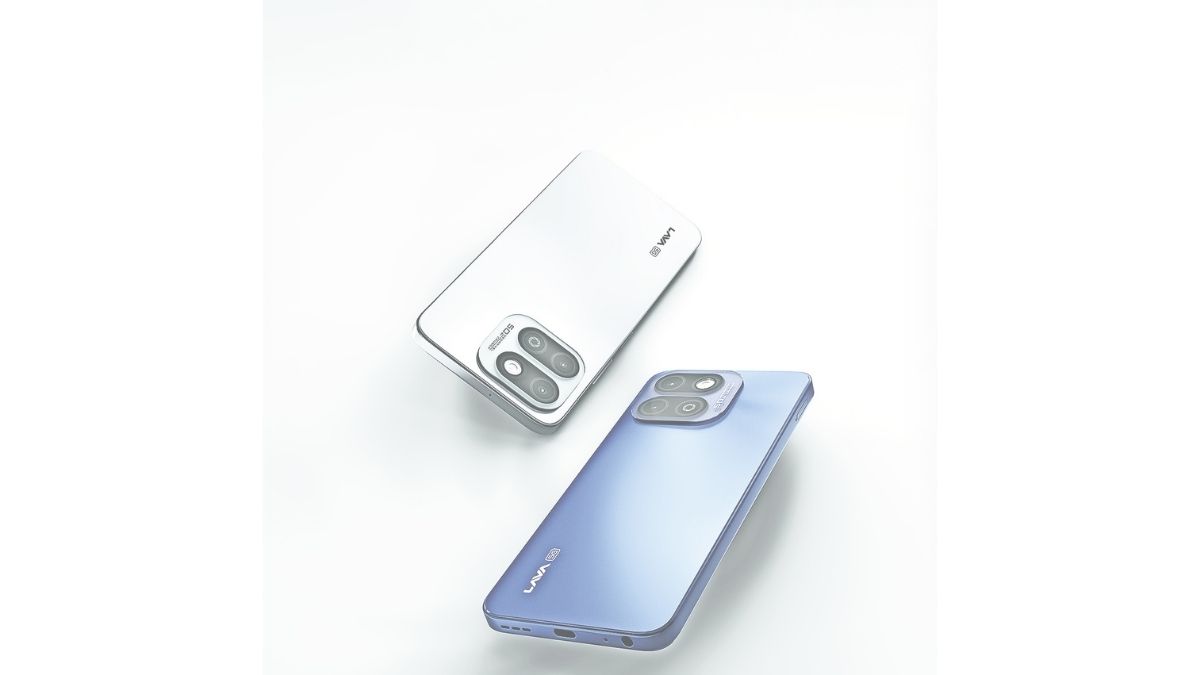
Lava has launched a new smartphone called the Blaze Duo 3.
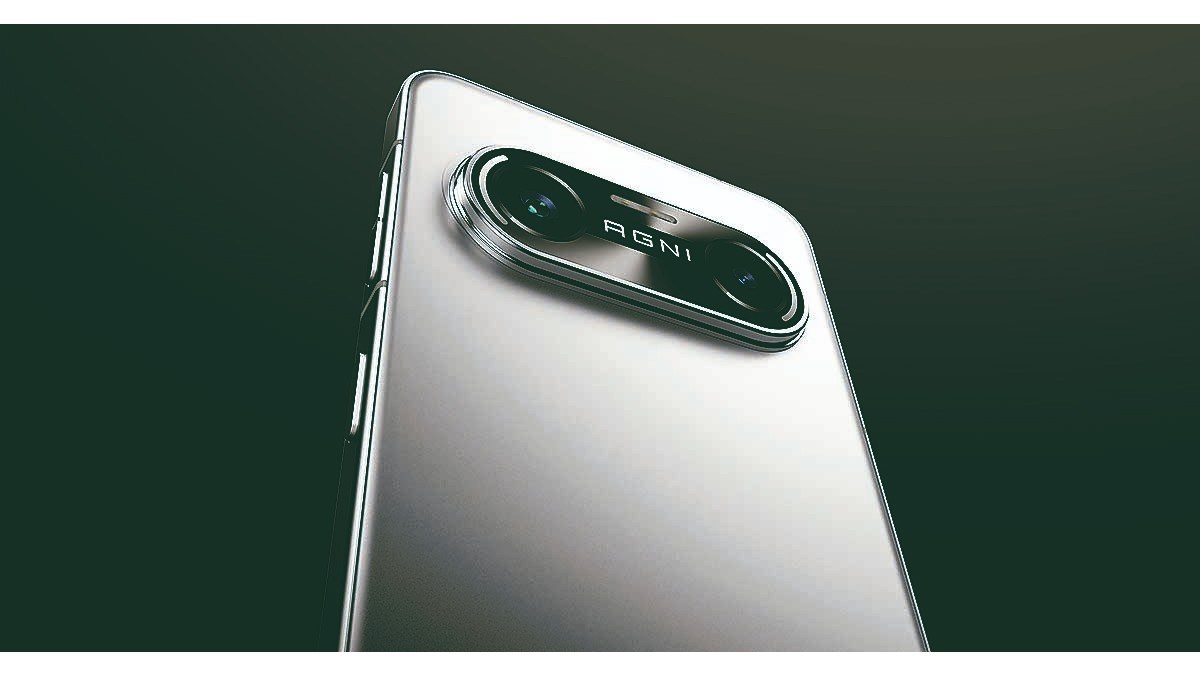
It has a big, bright screen and a special small screen on the back.
It takes good pictures with its 50MP camera and has a long-lasting battery.
The phone is priced at Rs.
16,999 and comes in two colors.
It's good for everyday use and has a unique design.

Lava Blaze Duo 3 features a 6.67-inch Full HD+ AMOLED display with 120Hz refresh rate.
Powered by MediaTek Dimensity 7060 chipset with 6GB RAM and 128GB storage.
50MP rear camera with Sony IMX752 sensor and 8MP front camera.
5,000mAh battery with 33W fast charging support.
Priced at Rs. 16,999 with free home service support.
- Who
- Lava
- What
- Launched Lava Blaze Duo 3 smartphone
- Where
- India
- When
- Recently
- Why
- To offer a mid-range smartphone with a dual display design and solid specifications
Key facts
- Processor
- MediaTek Dimensity 7060
- Display
- 6.67-inch Full HD+ AMOLED, 120Hz
- Camera
- 50MP rear, 8MP front
- Battery
- 5,000mAh, 33W fast charging
- Price
- Rs. 16,999
- Software
- Android 15, upgrade to Android 16, 2 years security updates
- RAM
- 6GB
- Storage
- 128GB
Quotes
Francis Wong
Chief Marketing Officer at Realme India
“Yes, absolutely, if it doesn’t meet the standard, we will never bring it to consumers. In the 16 Pro series, the processor, memory, and Realme UI 7 are perfectly tuned to ensure even the base 8GB RAM variant delivers exactly what users expect in everyday use. From multitasking and gaming to AI features like AI Camera, AI Edit Genie, and AI Perfect Shot are designed to be fast and efficient, not unnecessarily heavy. At the end of the day, what matters is sustained smoothness and reliability. With smarter system optimisation and practical AI built around real-world usage, 8GB RAM is more than enough to deliver a consistently smooth experience”
 businesstoday.in
“Every smartphone launching in 2026 will inevitably be more expensive than a phone with similar specifications from 2025. This trend is unstoppable and will continue till H2 2027. It's an industry-wide shift driven by rising component costs, especially in memory, imaging systems, and AI-related hardware”
businesstoday.in