

Archive · 8 Oct 2026
India Joins Overcapacity Pledge as US Tariff Decisions Loom
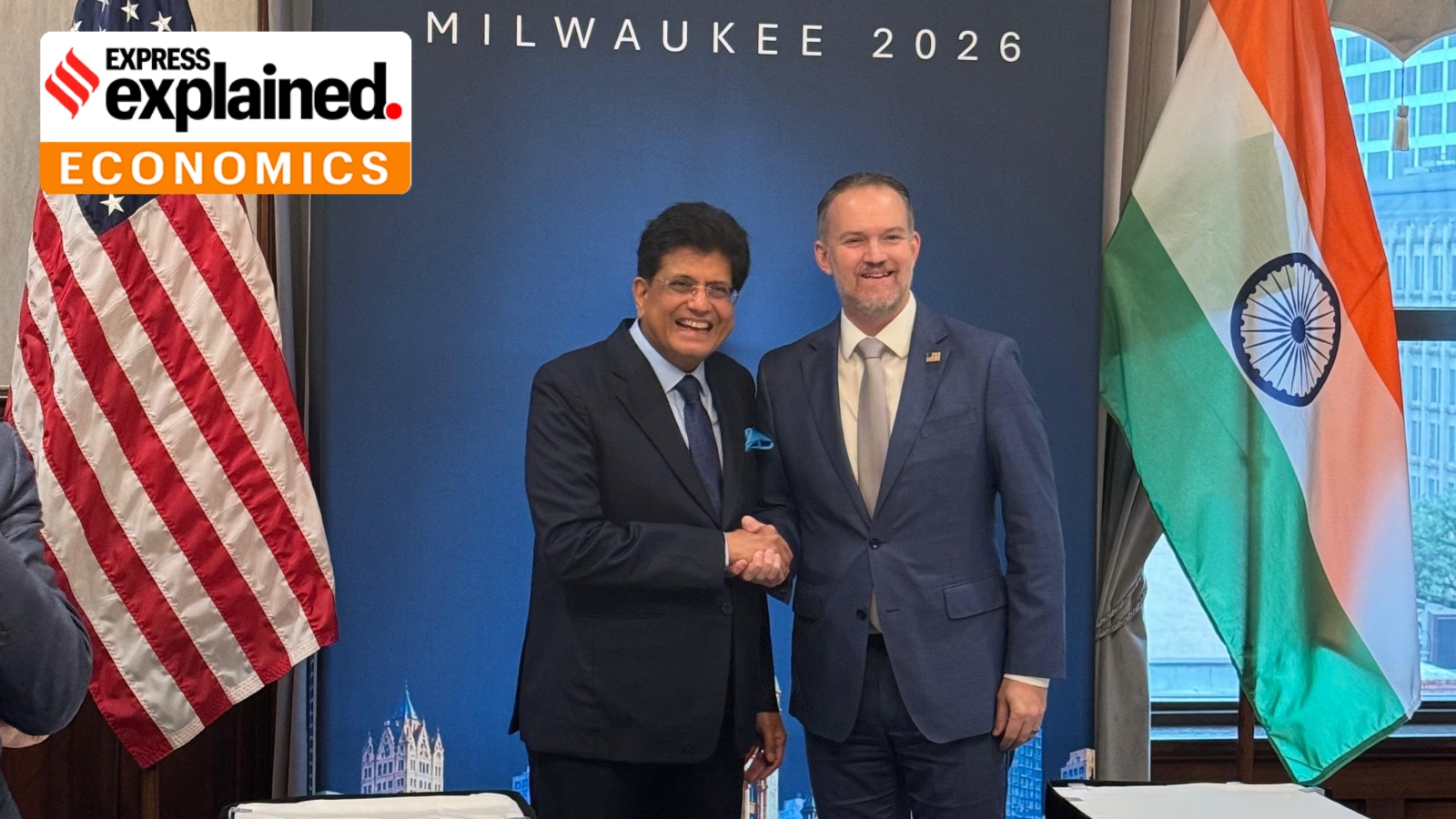
The United States is investigating whether some countries make more goods than buyers need.
This situation is called overcapacity.
India and other countries joined a statement saying they will work together on the issue.
They plan to share information and discuss possible actions.
The US investigation includes India and several industries, such as cars, batteries, chemicals, semiconductors and solar panels.
Some experts think India’s cooperation could help it avoid or reduce proposed US tariffs.
Others warn that rules about overcapacity could also affect India’s factories.
India’s commerce minister says the country does not have excess capacity in the sectors named by the G20 Presidency.
The US investigation’s findings are still awaited.

A joint statement says 14 countries and the European Union recognize that structural overcapacity can harm trading partners.
The signatories plan to share non-confidential information and develop terms of reference before December 2026.
The US Section 301 investigation includes India and examines overcapacity across several industries and economies.
Experts say India’s pledge could affect proposed US tariffs, though the investigation’s outcome remains pending.
India’s commerce minister says the country has no structural excess capacity in the sectors identified by the G20 Presidency.
- Who
- The United States, India and other signatories to the joint statement; the US Section 301 investigation also covers multiple economies.
- What
- Countries pledged to explore actions addressing structural excess capacity, as the United States investigates the issue under Section 301.
- When
- The G20 Trade Ministers Meeting was held September 30 and October 1; the joint statement was reported on Wednesday, October 7. The countries plan technical-level discussions before December 2026.
- Where
- The G20 Trade Ministers Meeting took place in Milwaukee, Wisconsin, United States.
- Why
- The countries say structural excess capacity can negatively affect trade and workers; experts say India’s position could influence proposed US tariffs.
Potential benefits of cooperation
Risks and reservations
Effect on proposed US tariffs
Potential benefits of cooperation
Some trade experts say India’s participation and commitment to address overcapacity concerns could lead the US Trade Representative not to proceed with proposed tariffs, or could help India secure better rates.
Risks and reservations
The investigation’s results are still pending, and the articles do not establish that the pledge will prevent tariffs.
Impact on Indian manufacturing
Potential benefits of cooperation
Supporters of cooperation argue that addressing overcapacity-related concerns could help protect economies, workers and market-oriented competition.
Risks and reservations
Experts warn that disciplines on excess manufacturing capacity could affect India as well as China and could give Washington greater legitimacy to challenge Indian industrial expansion.
Scope of the overcapacity debate
Potential benefits of cooperation
The joint statement focuses on structural excess capacity and production in sectors such as automobiles, batteries, chemicals, semiconductors and solar panels.
Risks and reservations
Trade expert Abhijeet Das argues the discussion should also address US agricultural overcapacity and subsidized exports.
- Meeting
- G20 Trade Ministers Meeting in Milwaukee, Wisconsin, on September 30 and October 1
- Signatories
- The statement lists 14 countries and the European Union.
- Technical discussions
- The signatories committed to meet at the technical level before December 2026.
- Sectors named
- Automobiles, electric vehicles, batteries, chemicals, foundational semiconductors and solar panels
- US investigation
- A Section 301 investigation is examining overcapacity in India and other economies.
- Earlier tariff rate
- The article says a proposed rate for India was reduced from 12.5% to 10% after New Delhi issued a notification banning imports of goods produced through forced labour.
- India's stated position
- Piyush Goyal said India does not have structural excess capacity in the sectors identified by the G20 Presidency.