

Archive · 20 Jul 2026
Dehradun Highway Expansion Sparks Environmental and Livelihood Concerns
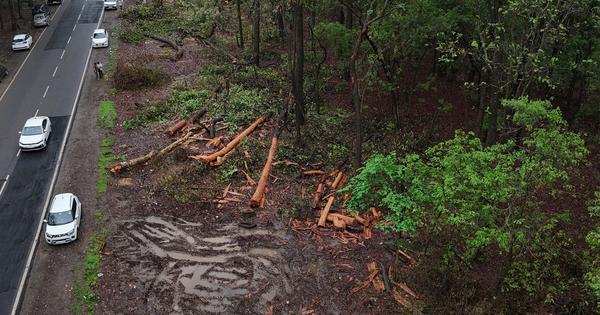
In Dehradun, people are protesting because the government wants to cut down more than 4,400 trees to widen a road.
The road project aims to improve travel between Dehradun and Rishikesh, helping tourism and transportation.
However, environmentalists say cutting down ancient trees and using forest land is too harmful to the environment.
A group called the Van Gujjars, who live in the forest and depend on it for their livestock, are also worried.
They have permits to use the forest, but the government hasn't told them about the tree-cutting plans.
The government has stopped the tree-cutting for now and says they will talk to everyone involved.
The Van Gujjars are still concerned because more of their forest might be cut for an airport expansion.
This shows how development projects can conflict with environmental and community needs.

The National Highway Authority of India plans to widen roads in Dehradun, cutting over 4,400 trees and using 20 hectares of reserved forest.
Protestors argue the environmental cost is too high, including the loss of ancient sal trees.
The Van Gujjars, a semi-nomadic tribe, face threats to their livelihoods and traditional forest access.
The government has halted tree felling for the highway expansion and will enter into dialogue with stakeholders.
The Van Gujjars have permits to use the forest but feel their concerns are not being addressed.
- Who
- Citizens, environmentalists, Van Gujjars, and the National Highway Authority of India.
- What
- Protest against the cutting of trees for a road-widening project in Dehradun.
- When
- Protests began on July 7, 2026.
- Where
- Badkot forest range in Dehradun district, Uttarakhand.
- Why
- To widen the road connecting Dehradun airport to Rishikesh, improving connectivity and supporting tourism, but at the cost of environmental and livelihood concerns.
Pro-Development Stance
Environmental and Livelihood Concerns
Project Justification
Pro-Development Stance
The National Highway Authority of India aims to strengthen connectivity between Dehradun, Jolly Grant Airport, and Rishikesh, supporting tourism, Char Dham Yatra, and the state's growing transportation needs.
Environmental and Livelihood Concerns
Protestors argue that the environmental cost of the work is too high, particularly the cutting of ancient sal trees and the use of reserved forest land.
Impact on Van Gujjars
Pro-Development Stance
The project aims to improve infrastructure and tourism, which could benefit the broader economy.
Environmental and Livelihood Concerns
The Van Gujjars, a semi-nomadic tribe, face threats to their livelihoods and traditional forest access, with permits and forest rights claims pending.
- Project Scope
- Widening existing roads to four or six lanes over a 20 km stretch connecting Dehradun airport to Rishikesh.
- Trees to be Cut
- More than 4,400 trees, including ancient sal trees.
- Forest Land Use
- Around 20 hectares of reserved forest land.
- Van Gujjars' Permits
- Permits from the forest department to use the forest for grazing and fodder.
- Forest Rights Claims
- 43 claims under the Forest Rights Act pending with the sub-divisional level committee.
- Government Response
- Tree felling for the highway expansion has been halted, and the government will enter into dialogue with stakeholders.
- Historical Connection
- Van Gujjars have a connection with the forest dating back over a century.
- Shrinking Forest Areas
- Forested areas in the Badkot range covered under Van Gujjars’ permits have seen a decline.