Archive · 26 Sep 2025
Javelin Throw Techniques and Key Elements Explained
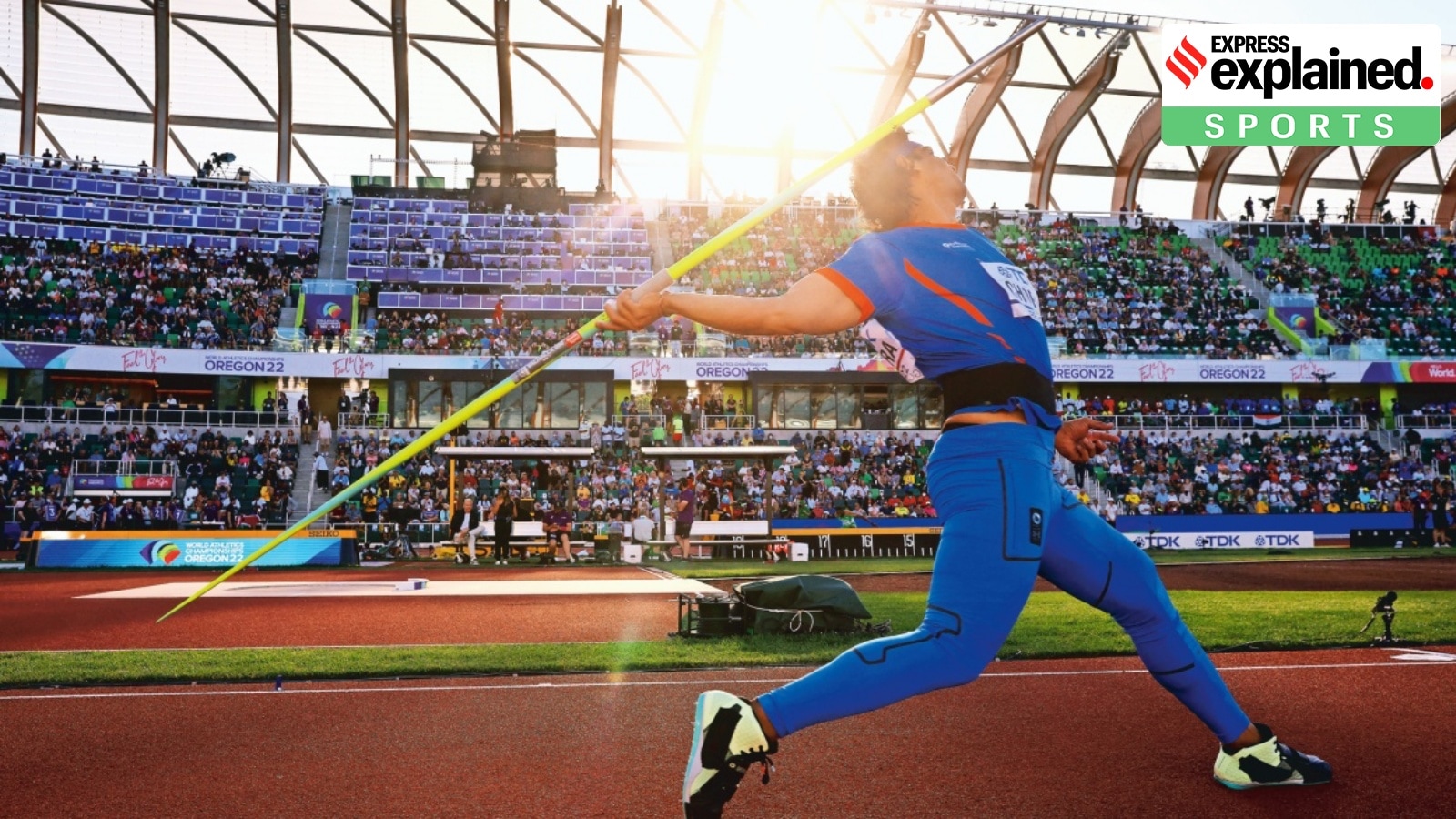
Javelin throwing is like throwing a spear really far.
First, you hold the javelin in different ways called grips.
Then you run, getting faster, and cross your legs to get ready to throw.
Next, you push off your right leg and twist to build power, like a spring.
Finally, you plant your left leg, and throw, aiming at the right angle to make the javelin go as far as possible.
It takes strong legs and a good throw to get it far!

The javelin throw involves multiple phases, each crucial for distance.
Grip options include American, Finnish, and V-grips, each impacting the throw.
The run-up phase builds momentum, with the number of steps varying by athlete.
The crossover phase prepares the body for the throw, focusing on stability.
The release angle is essential; a 32 to 40-degree angle optimizes distance.
- Who
- Javelin throwers and experts like Uwe Hohn, Thomas Röhler, Kashinath Naik and Klaus Bartonietz
- What
- An explanation of javelin throw techniques, including grip, run-up, crossover, impulse stride, and release
- When
- Throughout the training and competition season.
- Where
- Track and Field
- Why
- To understand and improve javelin throwing performance
- American Grip
- Thumb and index finger at top of cord, remaining fingers around it
- Finnish Grip
- Index finger under the javelin above the cord
- V-Grip
- Index and middle fingers grip the top of the cord
- Run-up Steps (Chopra)
- Approximately 15 steps
- Release Angle
- Ideally 32 to 40 degrees