

Archive · 11 Jun 2025
Japan's Rice Crisis: Soaring Prices, Political Fallout, and Solutions
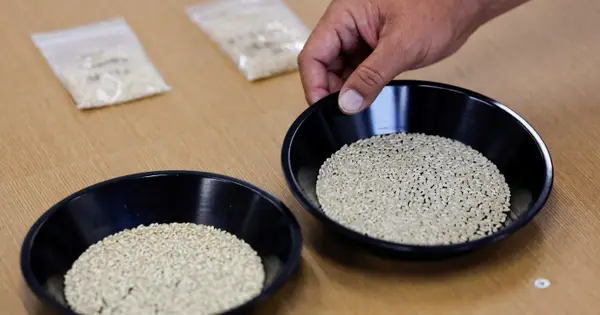
Japan is facing a rice crisis!
A heatwave in 2023 damaged the rice crops, leading to a shortage.
This has caused the price of rice to almost double.
The government has released some of its rice reserves, but it hasn't been enough to solve the problem.
The rising rice prices have led to political tension and public anger.
Japan also imports rice, but they have restrictions on how much they can import.
Some experts think that the government needs to change these import and production controls to prevent future crises.
The Bank of Japan is watching the situation closely, as rice prices are impacting overall inflation.

Japan's rice prices nearly doubled in a year due to poor harvests and increased demand.
A 2023 heatwave caused the lowest rice harvest in over a decade, exacerbating the crisis.
The Japanese government released rice from its reserves, but distribution issues hindered its impact.
Tight import quotas and protectionist policies limit rice imports from other countries.
The rice shortage has triggered political controversy ahead of upcoming elections.
- Who
- Japanese consumers and the government
- What
- A severe rice shortage leading to soaring prices and political fallout.
- When
- The crisis began in 2023 and intensified through June 2025.
- Where
- Japan
- Why
- Due to crop damage from a 2023 heatwave, increased demand and slow government response.
Urban Consumers
Rural Voters/Farmers
Rice Imports
Urban Consumers
Favor expanding rice imports.
Rural Voters/Farmers
Favoring protection of domestic farmers with high tariffs to avoid competition.
- June 2025 Rice Price (5kg)
- ¥4,223 (~$29)
- 2023 Harvest
- Lowest in a decade
- Emergency Rice Stockpile
- 900,000 tonnes
- Tariff-Free Imports
- 770,000 tonnes annually
- Tariff on Additional Imports
- ¥341/KG
- Average Rice Consumption
- 140 grams/day